Philippines Delays Fish Imports to October Amid Stable Local Supply
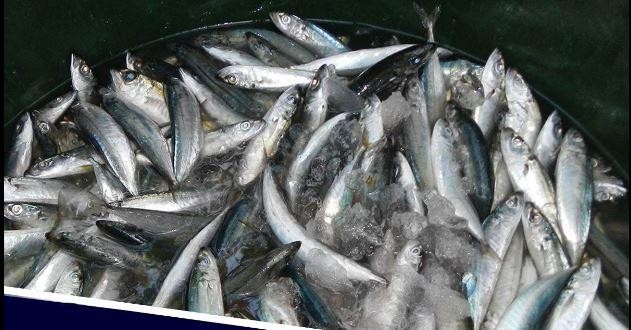
The Department of Agriculture (DA) in the Philippines has announced a postponement of the planned importation of 250,000 metric tons of fish. The import initiative, initially slated for an earlier date, has been rescheduled to commence in October. This decision stems from the current availability of a stable supply of locally sourced fish. The DA confirmed this development on Wednesday, emphasizing that the robust local production has made the immediate need for imported fish less critical. This strategic delay aims to support domestic producers and ensure market stability before introducing foreign supply. The quantity of fish intended for import remains substantial at 250,000 MT, indicating a significant future market intervention. The DA's move reflects a careful balancing act between ensuring food security and nurturing the domestic fishing industry. Further details on the specific types of fish and import regulations are expected closer to the October start date.
The Department of Agriculture's decision to delay fish imports highlights a common policy challenge: balancing immediate food security needs with the imperative to support domestic agricultural sectors. By prioritizing local supply, the DA signals an intent to protect local fish farmers from potential price volatility or market saturation that could arise from a large influx of foreign product. This approach, while beneficial for local producers in the short term, warrants scrutiny regarding its long-term implications for consumer prices and the overall competitiveness of the Philippine fishing industry. The substantial volume of the planned import (250,000 MT) suggests that domestic supply, while currently stable, may face future pressures or that the government anticipates a demand increase. Future policy decisions will need to consider global market trends, climate change impacts on fisheries, and the evolving dietary needs of the population to ensure both resilience and affordability in the nation's food supply chain.
AI-generated to prompt reflection — not editorial opinion, not advice, not a statement of fact. How this works.