Philippines Government Files 105 Expropriation Cases for North-South Commuter Railway
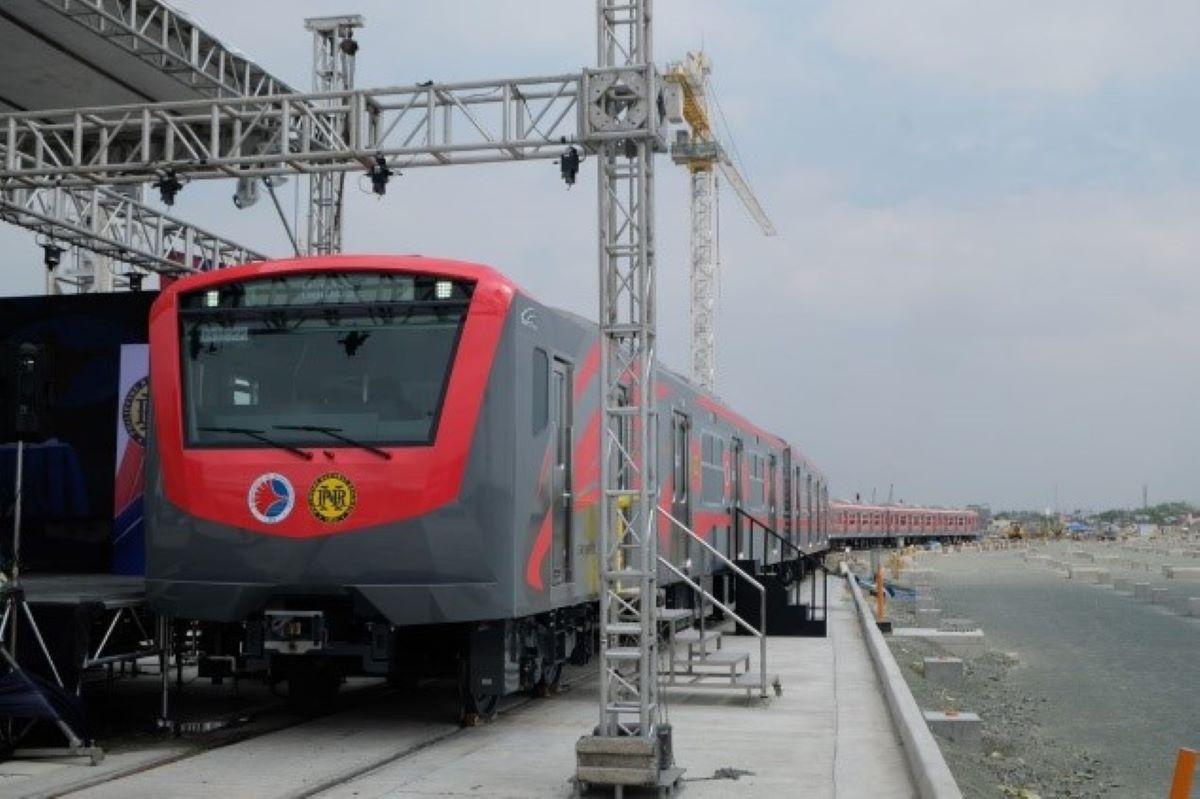
The Philippine Department of Transportation (DOTr) announced on Friday that it has initiated 105 expropriation cases. These legal actions are specifically aimed at resolving right-of-way acquisition issues crucial for the progress of the North-South Commuter Railway (NSCR) project. The NSCR is a significant infrastructure undertaking designed to improve transportation connectivity across the country. The filing of these cases indicates the government's commitment to overcoming obstacles that could delay the railway's development. Expropriation is a legal process where the government can acquire private property for public use, typically with just compensation to the owner. This step is often necessary when negotiations for land acquisition fail or are too protracted. The DOTr's proactive approach through these filings suggests a determined effort to secure the necessary land parcels for the NSCR's alignment. The successful resolution of these right-of-way issues is vital for the timely completion and operationalization of the commuter railway. This development underscores the complexities involved in large-scale public infrastructure projects, particularly concerning land acquisition and stakeholder agreements.
The Department of Transportation's resort to 105 expropriation cases for the North-South Commuter Railway highlights a common challenge in large-scale infrastructure development: the acquisition of private land for public use. While expropriation is a legal mechanism to ensure project progression, its extensive use suggests potential difficulties in voluntary land acquisition or protracted negotiations. This approach, while effective for overcoming immediate hurdles, may raise questions about the balance between public interest and private property rights, and the efficiency of pre-project land assembly strategies. Future planning for major national projects could benefit from enhanced methods for early stakeholder engagement and streamlined land acquisition processes to mitigate such extensive legal interventions, thereby potentially reducing costs and timelines.
AI-generated to prompt reflection — not editorial opinion, not advice, not a statement of fact. How this works.