Philippines' Impeachment Process: A Look at Landmark Cases
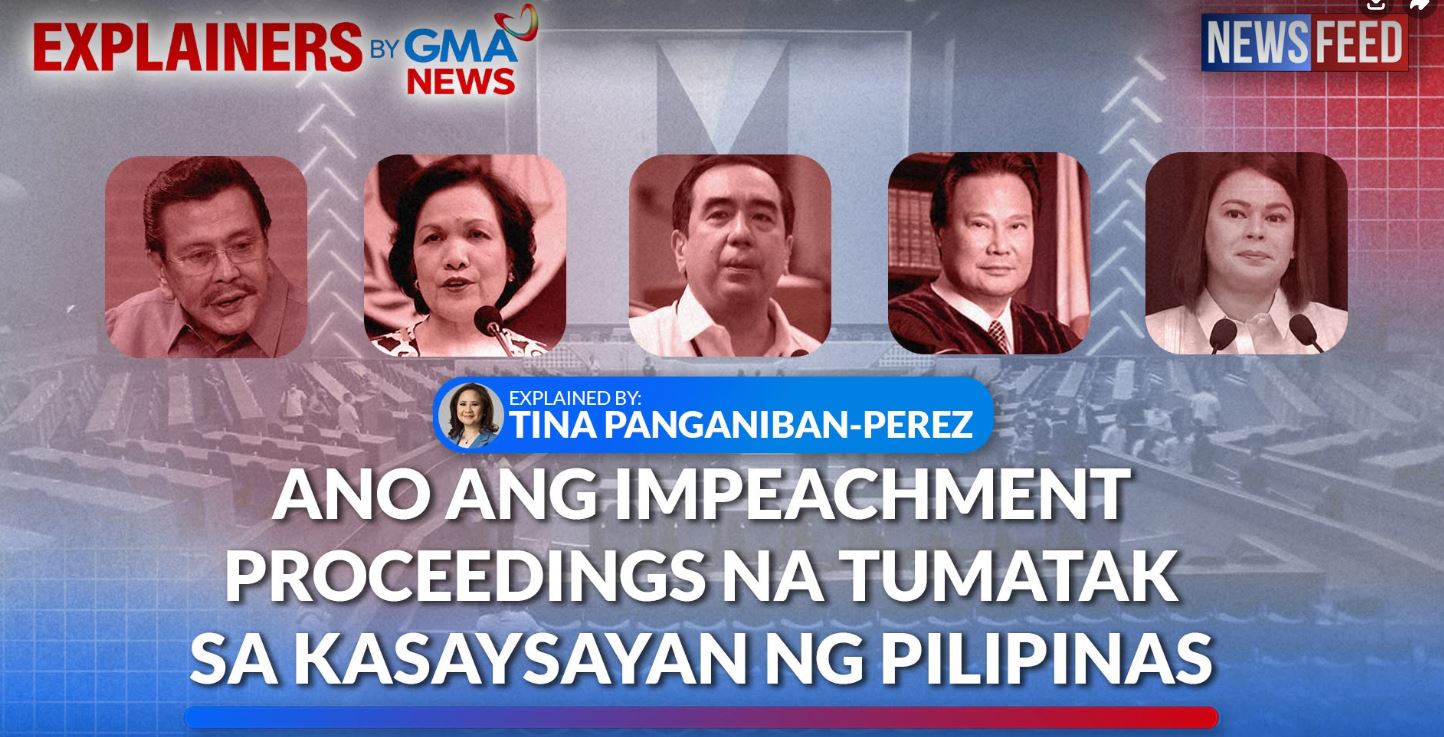
The House of Representatives in the Philippines has initiated impeachment proceedings against five officials throughout the nation's history. The most recent individual to face impeachment by the House is current Vice President Sara Duterte. Her impeachment trial is scheduled to begin on July 6, 2026. This process is a significant constitutional mechanism for holding high-ranking public officials accountable. The impeachment of a Vice President is a rare and consequential event, marking a critical juncture in the country's political landscape. The upcoming trial will be closely watched, as it involves one of the nation's top elected leaders. The historical context of these five impeachments provides insight into the application of this powerful legislative tool in the Philippines. Each case has presented unique challenges and implications for governance and accountability.
The impeachment process in the Philippines, as highlighted by the case of Vice President Sara Duterte, represents a crucial constitutional check on executive power. The initiation of impeachment proceedings against a sitting Vice President, a rare occurrence, underscores the inherent tension between accountability mechanisms and political stability. The scheduling of the trial for July 6, 2026, allows for a significant period of political maneuvering and public discourse. This extended timeline may reflect the complexities of gathering evidence, legal preparations, and the potential for political influence. Examining historical impeachment cases provides a framework for understanding the procedural nuances and the political ramifications of such actions, offering insights into the evolving balance of power within the Philippine government over the next decade.
AI-generated to prompt reflection — not editorial opinion, not advice, not a statement of fact. How this works.