Philippines Studying Nuclear Energy, Prioritizing Safety
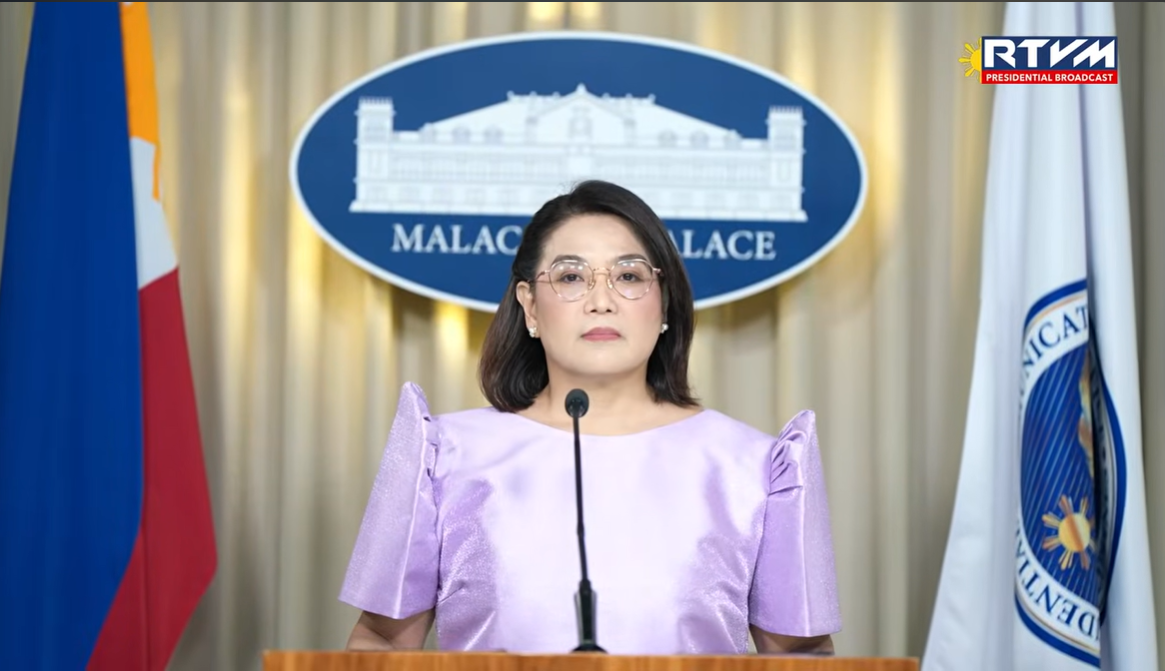
The Philippine government is actively exploring the potential for nuclear energy production. However, Malacañang issued a public assurance on Wednesday that the initiative will not proceed if it poses any risks to public safety. This statement comes as the nation continues its in-depth study into the feasibility and implications of adopting nuclear power. The government emphasized its commitment to ensuring that any future nuclear energy program would meet the highest safety standards. The decision-making process is expected to be thorough, with public welfare as the paramount concern. Further details on the specific studies being conducted or potential timelines were not provided, but the administration's stance highlights a cautious approach to this significant energy development. The focus remains on evaluating the risks and benefits before any concrete steps are taken.
The Philippine government's exploration of nuclear energy reflects a global trend toward diversifying energy sources to meet growing demand and climate objectives. The administration's stated commitment to prioritizing public safety is a critical governance consideration for any nuclear project, given the inherent risks and the need for robust regulatory frameworks. This initiative presents a complex interplay between energy security, economic development, and environmental stewardship. The government's cautious approach, contingent on risk assessment, suggests an awareness of the long-term implications and the importance of public trust in such a sensitive technological undertaking. Future developments will likely hinge on the outcomes of these studies, international partnerships, and the establishment of stringent safety protocols.
AI-generated to prompt reflection — not editorial opinion, not advice, not a statement of fact. How this works.