Philippines Transport Dept. Prefers Fuel Subsidy Over Fare Hikes
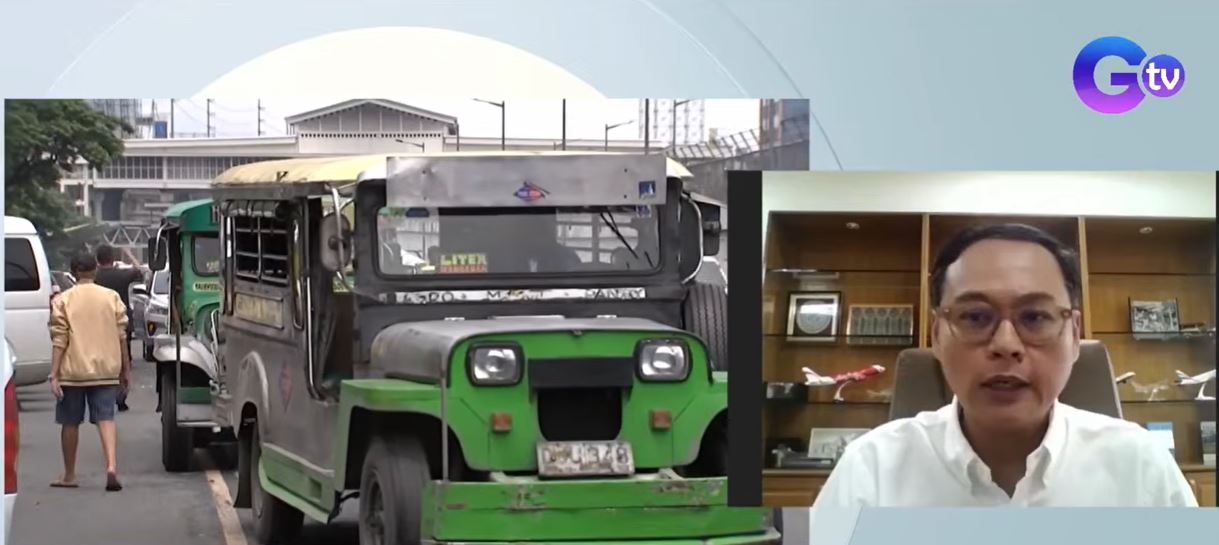
The Department of Transportation (DOTr) in the Philippines is exploring an expansion of its fuel subsidy program for public utility vehicle (PUV) operators. This approach is being considered as an alternative to approving the fare hike petitions that have been submitted by various transport groups. Transportation Secretary Giovanni Lopez announced this consideration on Wednesday. The department aims to provide financial relief to PUV operators through increased fuel subsidies. This move is intended to mitigate the impact of rising fuel costs on their operations. By focusing on subsidies, the DOTr seeks to prevent a potential increase in public transportation fares. The pending fare hike petitions represent a significant concern for commuters, and the department is looking for solutions that would avoid passing these costs directly to the public. Secretary Lopez's statement indicates a proactive stance in managing the economic pressures faced by the transport sector. The expansion of the fuel subsidy program is expected to offer a more sustainable solution for PUV operators while maintaining affordable fares for passengers.
The Department of Transportation's proposal to expand fuel subsidies instead of approving fare hikes reflects a common governance challenge: balancing the economic viability of service providers with the affordability for consumers. This approach prioritizes maintaining public access to transportation by absorbing some of the operational cost increases through government support. However, it raises questions about the long-term sustainability of such subsidies, their fiscal impact, and the potential for market distortions. The decision hinges on whether direct financial assistance can effectively offset rising operational costs without creating dependency or disincentivizing efficiency improvements within the transport sector. Future policy considerations might involve exploring more structural reforms that address the root causes of operational cost volatility in the transportation industry.
AI-generated to prompt reflection — not editorial opinion, not advice, not a statement of fact. How this works.