Philippines' UPLIFT Program Expands to Include Near-Poor Taxpayers
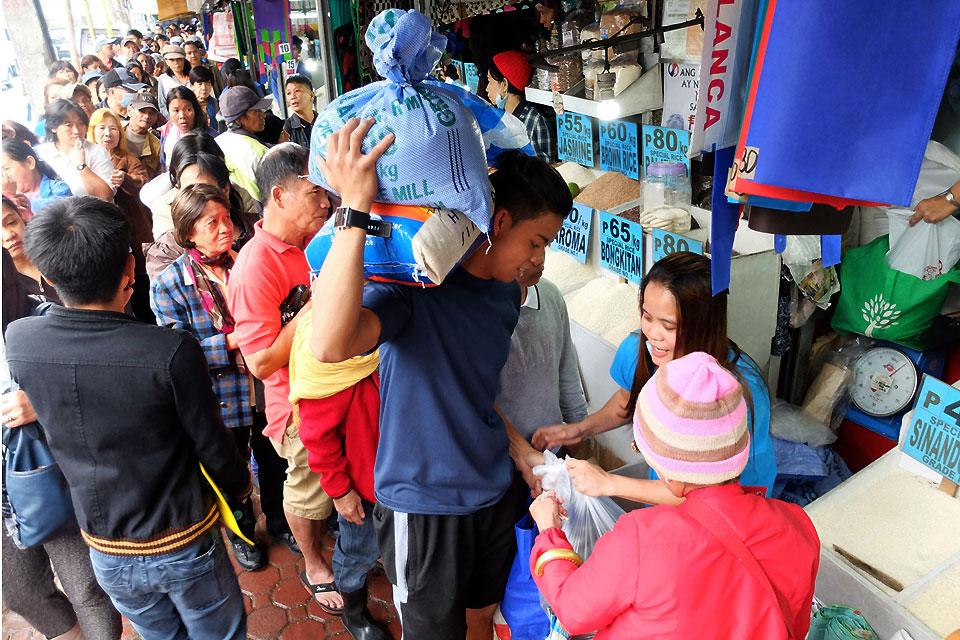
The Department of Social Welfare and Development (DSWD) announced on Friday that the government's United Package for Livelihoods, Industry, Food, and Transport (UPLIFT) program will be broadened in its coverage. Previously focused on the poorest segments of the population, the expanded UPLIFT program will now also include individuals who are considered 'near-poor' but still earn enough to pay taxes. This adjustment signifies a shift in the program's eligibility criteria, aiming to provide support to a wider range of low-income earners. The DSWD emphasized that the program's goal remains to provide essential assistance and uplift the living standards of vulnerable Filipinos. The specific income thresholds and criteria for 'near-poor' status will be detailed further by the department. This expansion is expected to benefit a larger demographic facing economic challenges.
The DSWD's expansion of the UPLIFT program to include 'near-poor' taxpayers suggests a strategic recalibration of social welfare targeting. By extending benefits beyond the absolute poorest, the government may be seeking to address the economic precarity of a broader segment of the population, potentially mitigating risks of downward mobility. This approach could be influenced by evolving economic indicators and a recognition that poverty exists on a spectrum, with those just above the official poverty line also facing significant financial pressures. The inclusion of tax-paying individuals introduces a complex dynamic, potentially incentivizing formal employment while also raising questions about the sustainability of such broad-based support and its impact on fiscal resources. Future evaluations will likely focus on the program's effectiveness in fostering genuine economic upliftment versus providing temporary relief, and its long-term implications for social stratification and economic resilience in the Philippines.
AI-generated to prompt reflection — not editorial opinion, not advice, not a statement of fact. How this works.