Philippines-Vietnam Maritime Deal: A Challenge to China's South China Sea Strategy?
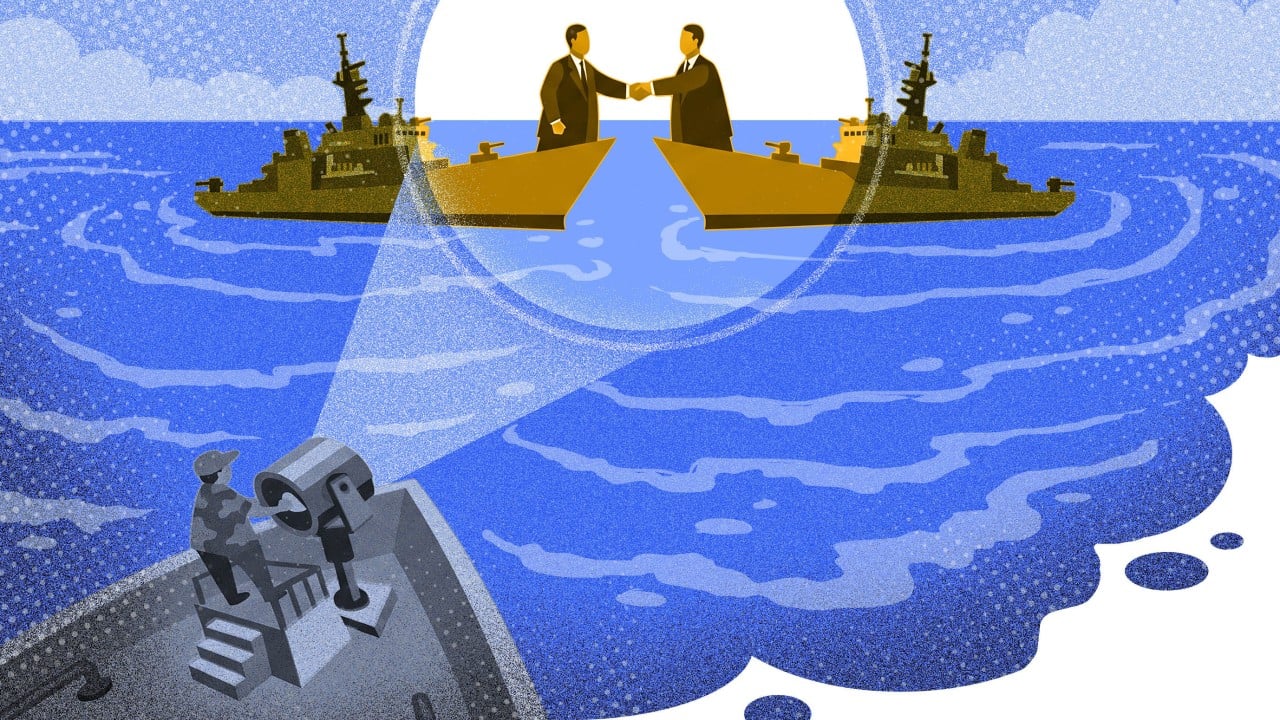
A decade after Beijing disregarded The Hague's Permanent Court of Arbitration ruling on its South China Sea claims, regional nations are actively seeking to assert control. This development is explored in the second part of a series examining the anniversary of the ruling. The focus is on how enhanced maritime cooperation between the Philippines and Vietnam might impact China's strategic objectives in the region. Philippine President Ferdinand Marcos Jr. conveyed a significant message during a meeting with Vietnamese President To Lam in Manila late last month. This collaboration between Manila and Hanoi signals a united front against Beijing's expansive territorial assertions. The article delves into the potential geopolitical ramifications of this burgeoning partnership. It considers whether this bilateral agreement could shift the balance of power in the disputed waters. The series aims to provide a comprehensive overview of the ongoing territorial disputes and the evolving alliances within the South China Sea. The cooperation between the Philippines and Vietnam is presented as a key factor in this dynamic geopolitical landscape.
The strategic alignment between the Philippines and Vietnam, particularly in maritime cooperation, represents a significant counter-response to China's assertive claims in the South China Sea. This development highlights a growing trend of smaller nations forming alliances to collectively address perceived regional imbalances of power. The effectiveness of such bilateral agreements in challenging established geopolitical dominance will depend on sustained commitment, interoperability of forces, and broader international support. From a systemic perspective, this situation underscores the inherent tension between national sovereignty claims and the pursuit of regional stability under international law. The long-term implications could involve a more fragmented regional security architecture, potentially leading to increased diplomatic maneuvering and, conversely, a greater risk of localized escalations if diplomatic channels are not robustly maintained.
AI-generated to prompt reflection — not editorial opinion, not advice, not a statement of fact. How this works.