Philosopher analyzes crisis of certainty, citing Nietzsche
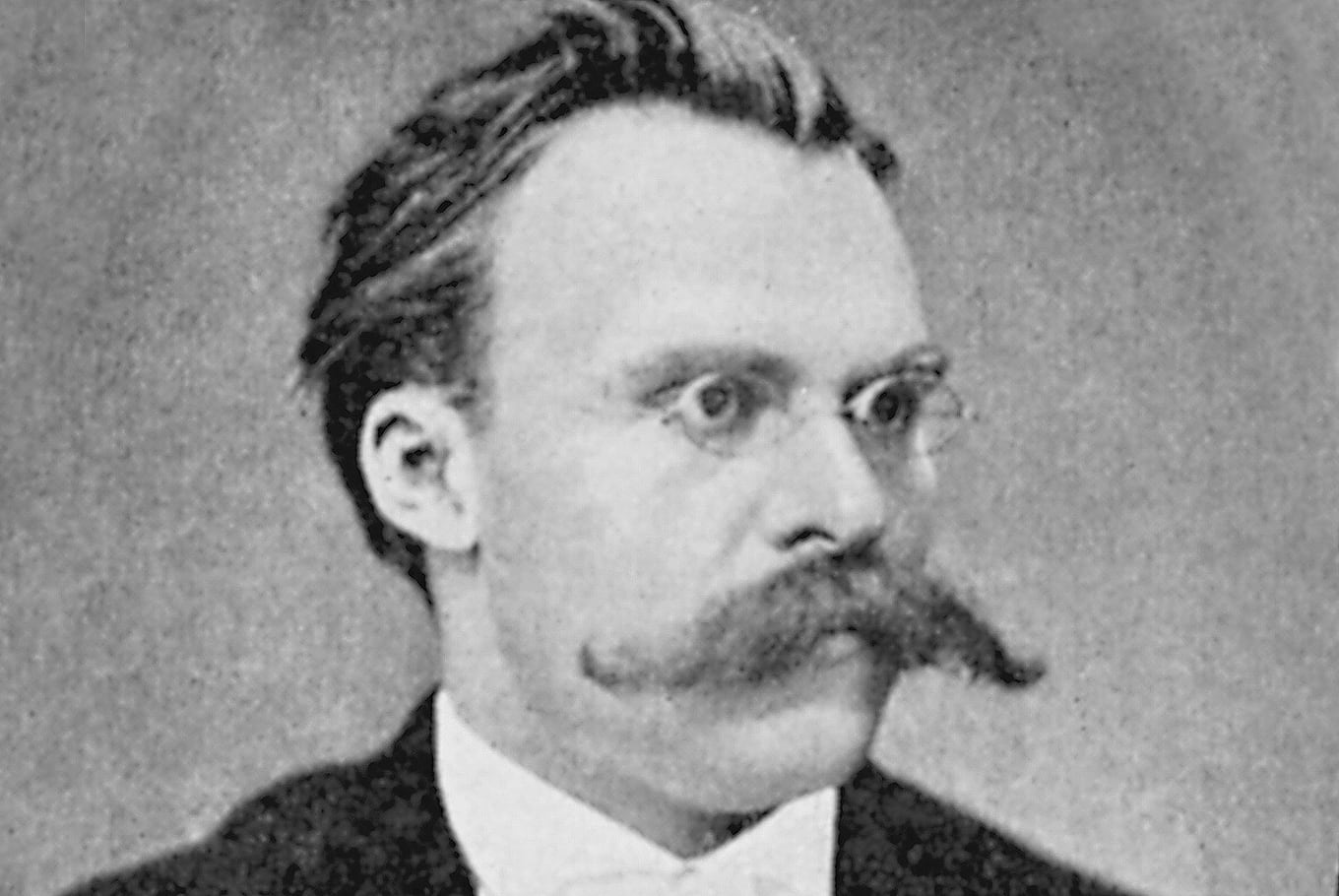
Argentine philosopher Darío Sztajnszrajber, in a dialogue with LA NACION, discussed the contemporary crisis of certainty in daily life. He emphasized that critical thinking is essential for questioning the structures that shape human existence. Sztajnszrajber invoked the ideas of Friedrich Nietzsche, particularly the statement "There are no facts, only interpretations," to illustrate the subjective nature of perceived reality. He suggested that this perspective challenges the notion of absolute truths and encourages a deeper examination of how we construct our understanding of the world. The philosopher's analysis points to the need for individuals to actively engage with and critically assess the information and frameworks that influence their beliefs and actions. This approach, he argues, is crucial for navigating the complexities of modern life and fostering intellectual independence. By questioning established norms and assumptions, people can gain a more nuanced perspective and resist uncritical acceptance of prevailing narratives. Sztajnszrajber's insights highlight the ongoing relevance of philosophical inquiry in understanding societal dynamics and personal development.
The discussion around the "crisis of certainty" and the subjective nature of interpretation, as highlighted by Sztajnszrajber's invocation of Nietzsche, reflects a broader societal shift. In an era increasingly shaped by AI-driven information dissemination and personalized content algorithms, the challenge of discerning objective reality from curated perspectives is amplified. This dynamic raises questions about the future of shared understanding and the potential for epistemic fragmentation. Moving forward, fostering robust critical thinking skills will be paramount, not just for individual empowerment but for the resilience of democratic discourse. The tension between the desire for verifiable facts and the inherent subjectivity of human perception presents an ongoing challenge for education systems and information gatekeepers alike, demanding innovative approaches to media literacy and intellectual discernment.
AI-generated to prompt reflection — not editorial opinion, not advice, not a statement of fact. How this works.