Philosopher analyzes the crisis of certainty and the search for truth
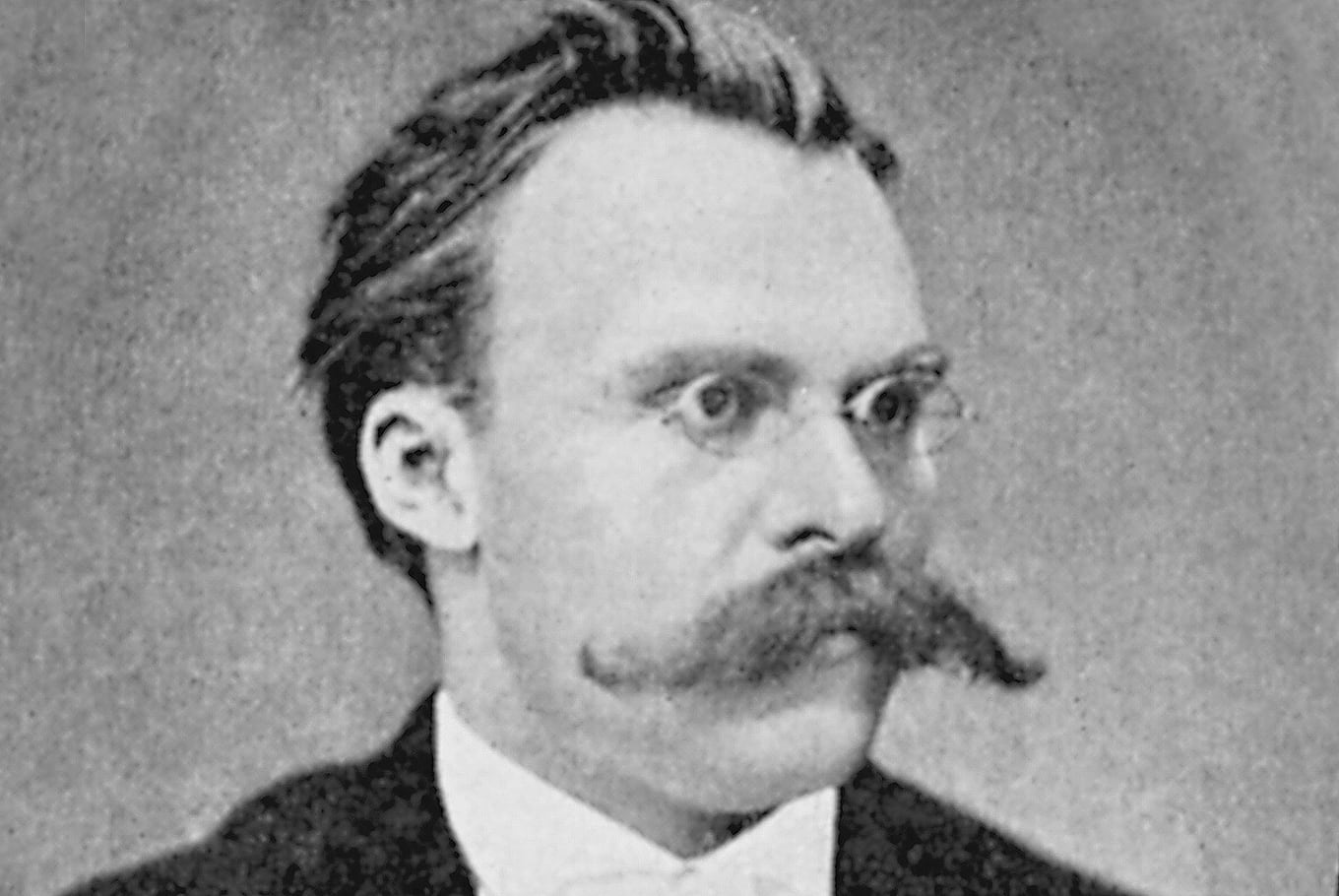
Argentine philosopher Darío Sztajnszrajber, in a dialogue with LA NACION, discussed the contemporary crisis of certainty in daily life. He highlighted the importance of critical thinking as a tool to question the structures that shape human existence. Sztajnszrajber referenced the ideas of Friedrich Nietzsche, particularly the quote, 'There are no facts, only interpretations,' to underscore the subjective nature of perceived reality. He suggested that this perspective is crucial for navigating the complexities of modern life and for fostering intellectual independence. The philosopher emphasized that understanding these interpretive frameworks allows individuals to challenge ingrained beliefs and societal conditioning. This process, he argued, is fundamental to achieving a more profound self-awareness and a more authentic engagement with the world. Sztajnszrajber's analysis points to a need for continuous questioning and re-evaluation of our assumptions.
The philosophical perspective presented posits that objective facts are elusive, replaced by subjective interpretations. This framework challenges traditional notions of truth and knowledge, suggesting that societal structures heavily influence individual perception. In an era increasingly shaped by information ecosystems and AI-driven content generation, understanding the interpretive nature of reality becomes paramount. Critical thinking, as advocated, serves as a vital mechanism to deconstruct these influences and foster intellectual autonomy. The challenge lies in discerning the validity and ethical implications of various interpretations without succumbing to relativism, thereby promoting a more informed and resilient public discourse for the coming decade.
AI-generated to prompt reflection — not editorial opinion, not advice, not a statement of fact. How this works.