Philosopher Discusses Memory Cultures and the Need to Evolve Historical Legacies
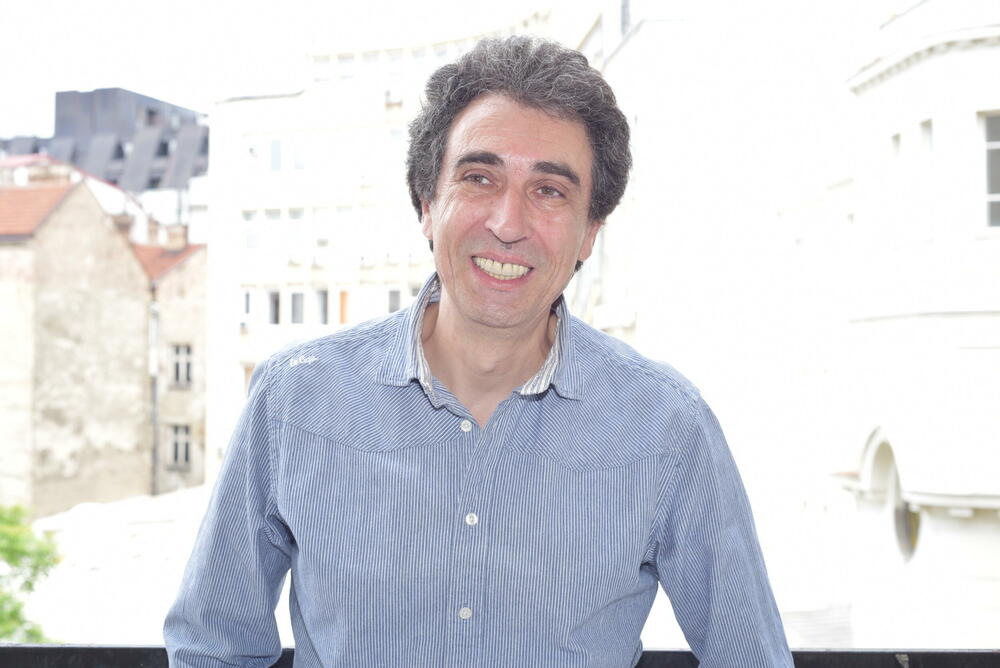
Predrag Krstić, a philosopher and research associate at the Institute for Philosophy and Social Theory at the University of Belgrade, recently shared his insights on the concept of memory cultures. He emphasized the critical importance of understanding how societies construct and preserve their past. Krstić highlighted the significant dangers associated with the instrumentalization of history, warning that historical narratives can be manipulated for present-day agendas. He argued that such manipulations can distort collective memory and lead to harmful societal divisions. The philosopher stressed the necessity for historical legacies to remain dynamic and relevant within contemporary society. He believes that simply preserving the past without critical engagement can lead to stagnation and a failure to address current challenges. Krstić advocates for an active and evolving approach to heritage, one that allows for reinterpretation and adaptation. This approach, he suggests, is crucial for fostering a healthier and more forward-looking society. His views underscore the ongoing dialogue required to ensure that historical understanding serves constructive purposes.
This discussion centers on the dynamic nature of collective memory and the potential for historical narratives to be weaponized. The philosopher's concerns about instrumentalization highlight a recurring challenge: how to maintain an accurate and ethically sound historical record when political or social forces seek to exploit it for immediate gain. This tension between objective historical inquiry and subjective interpretation is amplified in the digital age, where narratives can spread rapidly and be reshaped with unprecedented ease. Moving forward, societies face the complex task of developing robust frameworks for historical education and public discourse that foster critical thinking, enabling citizens to discern between genuine historical understanding and manipulative propaganda. The challenge lies in empowering individuals to engage with their heritage in a way that acknowledges its complexities without succumbing to simplistic or divisive interpretations, thus ensuring that legacy serves as a foundation for progress rather than a source of perpetual conflict.
AI-generated to prompt reflection — not editorial opinion, not advice, not a statement of fact. How this works.