Philosopher: Father Jacques Hamel's killers acted on theological motives
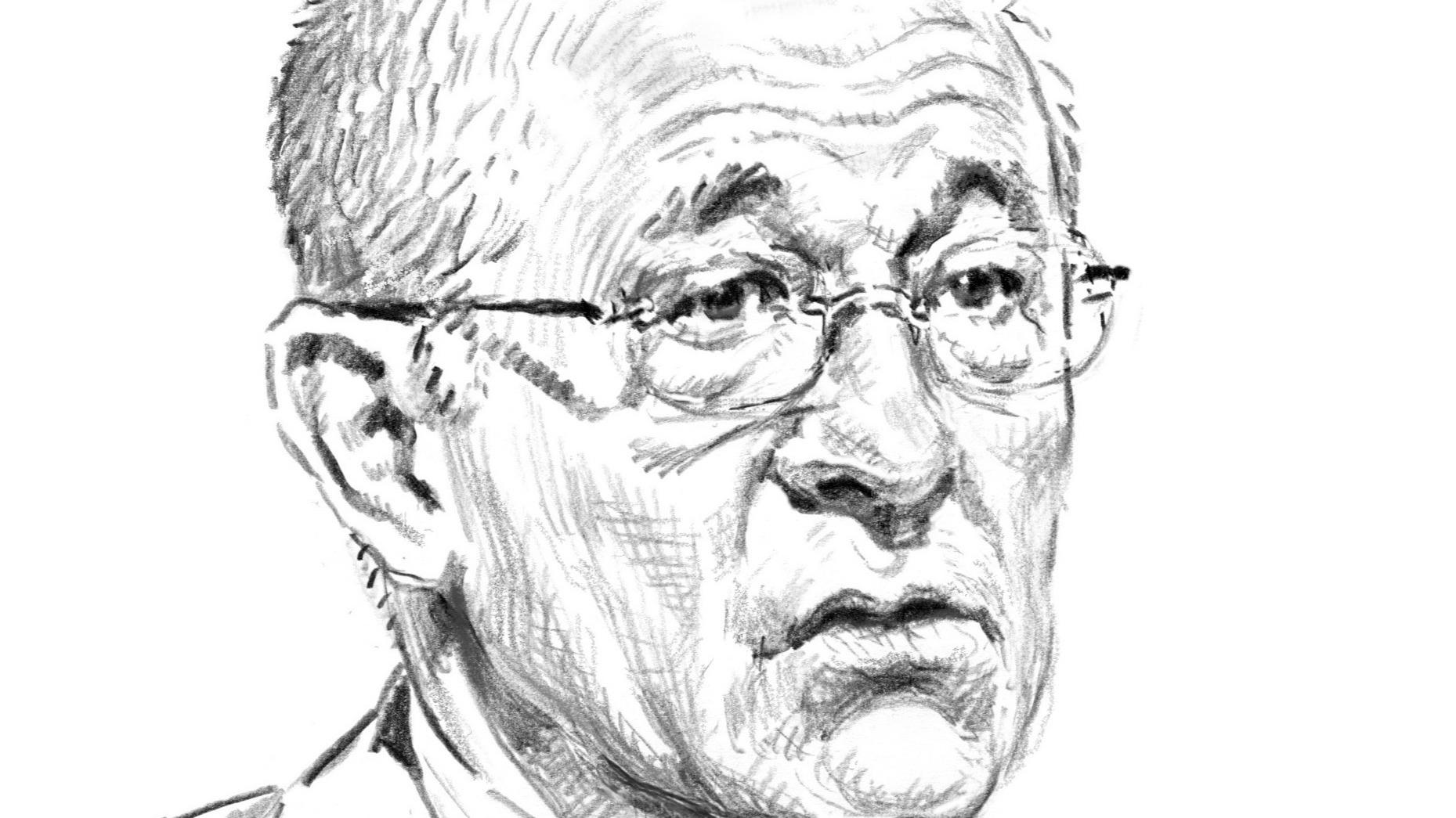
On July 26, 2016, Father Jacques Hamel was murdered during mass at the church of Saint-Étienne-du-Rouvray in France. Philosopher and historian Rémi Brague notes that beyond the horrific nature of the Islamist attack, a unique theological dialogue occurred between the two perpetrators and the nuns present in the immediate aftermath of the tragedy. Brague suggests that the assassins believed Father Hamel deserved elimination based on their theological interpretations. This event, ten years prior to the article's publication, is highlighted for its distinct post-attack interaction. The focus is on the ideological underpinnings of the crime and the unexpected conversation that followed.
The murder of Father Jacques Hamel in 2016, attributed to Islamist extremists, presents a complex intersection of religious ideology and violence. The assertion that the perpetrators acted on 'theological reasons' highlights the critical need to understand how extremist interpretations of religious doctrine can motivate violent acts. Examining the dialogue between the assassins and the religious individuals present offers a potential lens into the psychological and ideological frameworks driving such extremism, though it is crucial to distinguish between the actions of a few and the broader tenets of any faith. Future societal resilience may depend on fostering critical thinking and interfaith dialogue to counter radicalization narratives and promote peaceful coexistence.
AI-generated to prompt reflection — not editorial opinion, not advice, not a statement of fact. How this works.