Philosopher Michel Onfray Criticizes "The Odyssey" Film for Excessive 4DX Effects
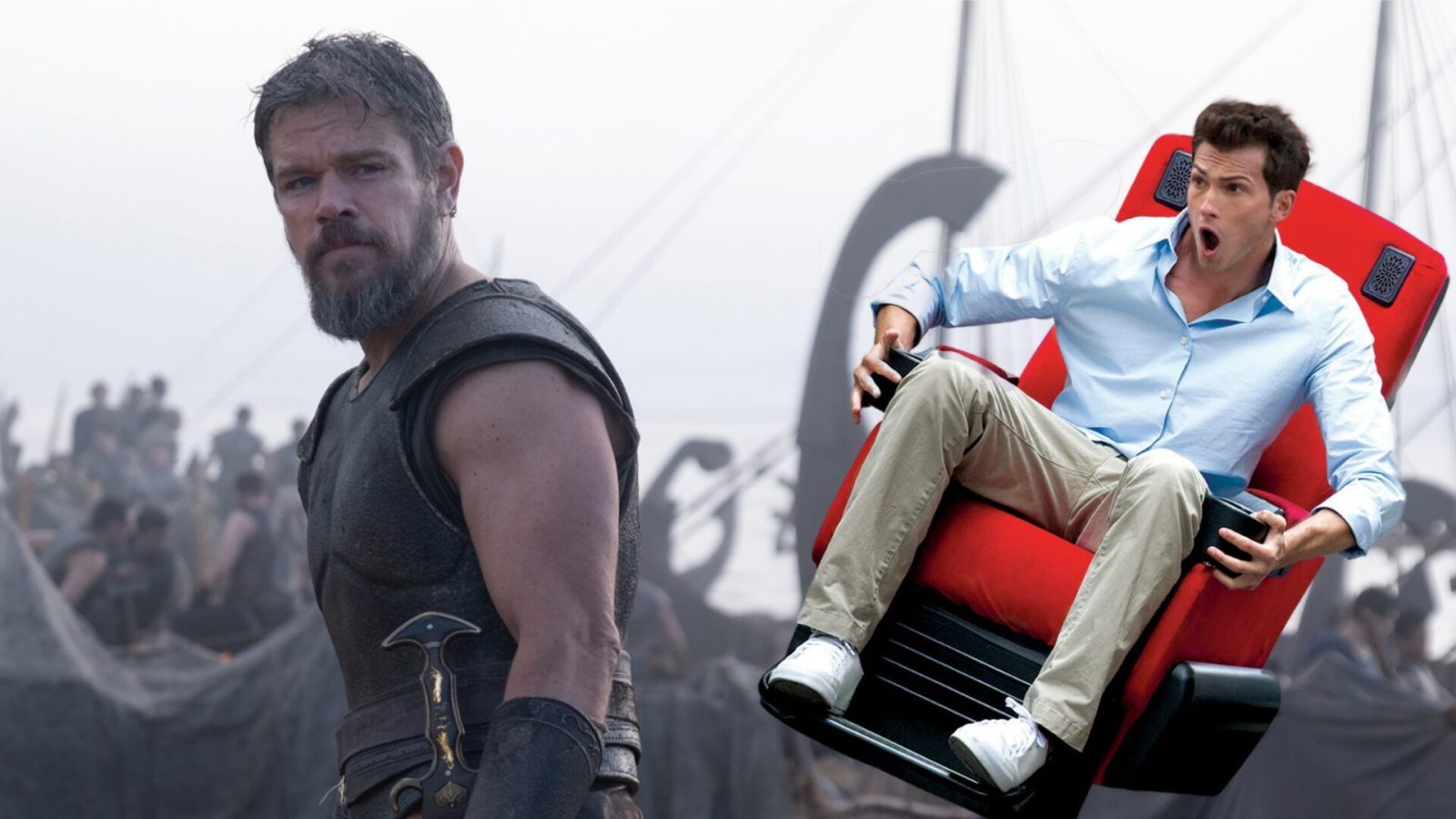
French philosopher and editorialist Michel Onfray has sharply criticized Christopher Nolan's film "L'Odyssée," accusing it of "murdering Homer." In a piece published in Le Journal du Dimanche, Onfray, who also works for Cnews, lambasted the film for its "noise and fury." However, a notable detail in his critique is that Onfray revealed he watched the film in 4DX. This format is known for its immersive sensory effects, including motion, vibrations, and environmental stimuli like wind and water. Onfray's specific complaint about the film being too "shaky" or "shaking" (secouait) suggests his negative reaction may be linked to the intense physical experience of the 4DX screening. His critique focuses on the film's perceived deviation from the original Homeric epic.
Michel Onfray's critique of "L'Odyssée" highlights a potential disconnect between artistic interpretation and audience reception, particularly when advanced viewing technologies like 4DX are employed. The philosopher's strong reaction to the film's "noise and fury," coupled with his admission of viewing it in a highly sensory-intensive 4DX format, raises questions about whether his criticism is directed at the film's narrative and thematic choices or at the amplified physical experience. This situation underscores the evolving nature of cinematic consumption and its impact on critical evaluation. As immersive technologies become more prevalent, critics and audiences alike may need to consider the viewing context when assessing a film's artistic merits, distinguishing between the director's intent and the sensory output of specialized formats. The analysis prompts reflection on how technological enhancements can shape perception and potentially influence critical judgment, urging a nuanced approach to film criticism in the digital age.
AI-generated to prompt reflection — not editorial opinion, not advice, not a statement of fact. How this works.