Philosophy of Education: Beyond Rote Learning Towards Human Development
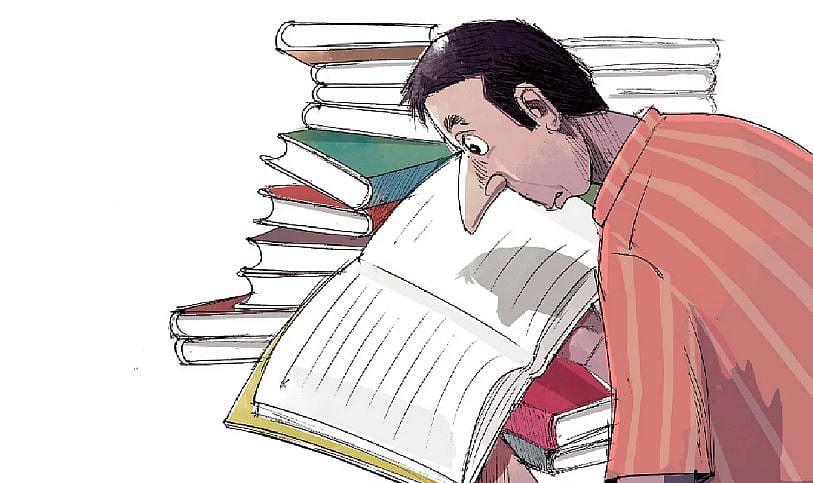
Despite their differences, great thinkers shared a common belief: education should empower individuals to become independent thinkers. This perspective emphasizes moving beyond mere memorization towards fostering critical thinking and holistic human development. The goal of education, therefore, is not just to impart knowledge but to cultivate the capacity for original thought and problem-solving. This approach aims to equip individuals with the skills and mindset necessary to navigate a complex world and contribute meaningfully to society. By prioritizing independent thinking, education can unlock individual potential and foster intellectual freedom. This philosophy suggests a paradigm shift from traditional, teacher-centered instruction to a more student-centered approach that encourages inquiry and self-discovery. Ultimately, the aim is to nurture individuals who are not only knowledgeable but also adaptable, creative, and capable of lifelong learning.
The philosophy of education presented advocates for a shift from rote memorization to fostering independent thought and human development. This approach aligns with the evolving demands of the 21st century, where adaptability, critical thinking, and creativity are paramount. By emphasizing these skills, educational systems can better prepare individuals for a future increasingly shaped by artificial intelligence and rapid technological change. Such a focus encourages a more dynamic and responsive learning environment, potentially leading to greater innovation and societal progress. However, the implementation of such a philosophy requires significant investment in teacher training, curriculum reform, and equitable access to resources to ensure all learners can benefit.
AI-generated to prompt reflection — not editorial opinion, not advice, not a statement of fact. How this works.