Phone Charging Myths: How Using Your Device While Plugged In Affects Battery Life
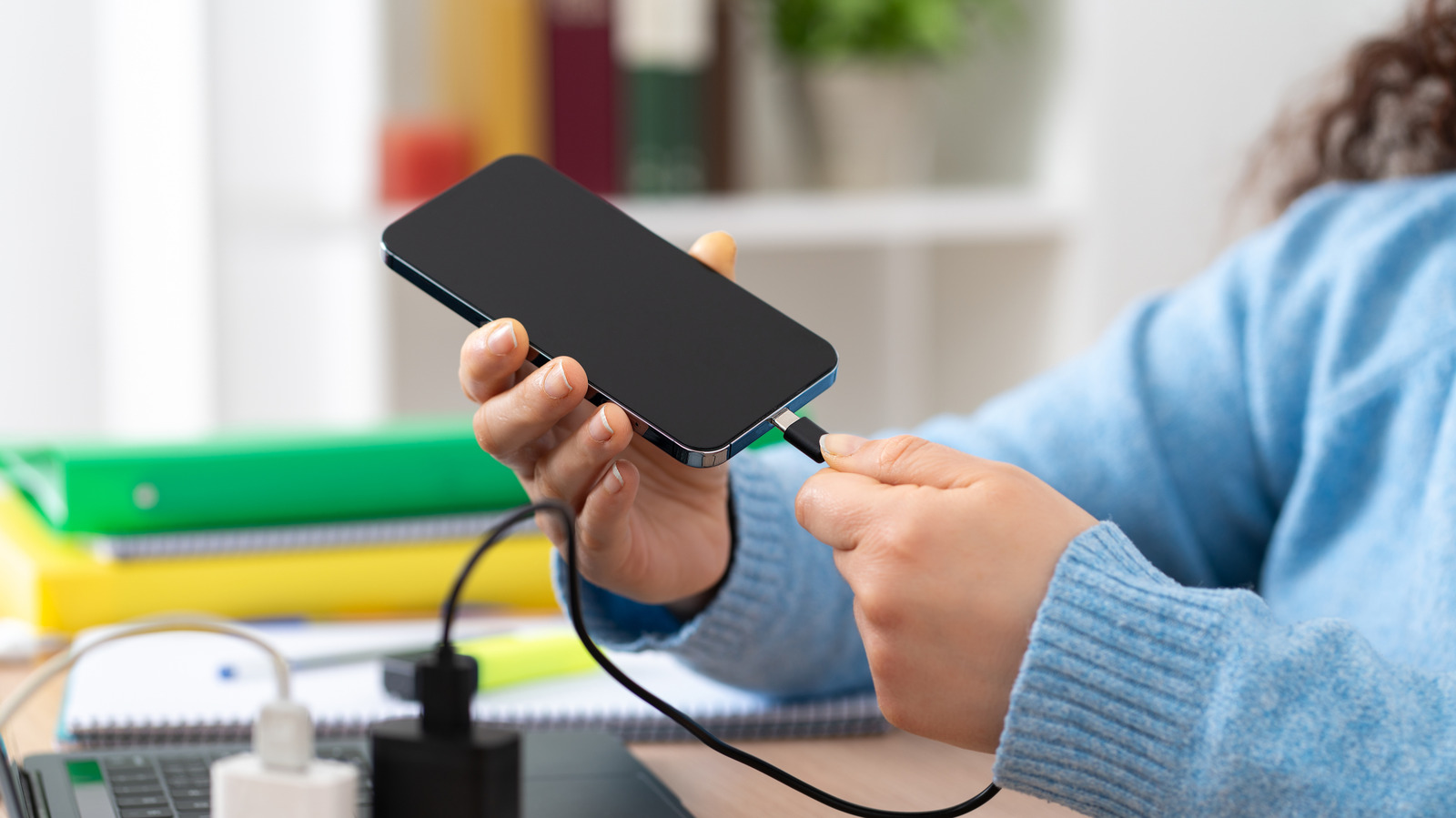
Using a smartphone or tablet while it is plugged in alters its charging process. This practice has led to common misconceptions about how to best maintain the battery life of these devices. Understanding the actual effects of charging habits is crucial for users seeking to optimize their device's longevity. Many users wonder if charging their phone while simultaneously using it can cause permanent damage or significantly reduce its overall battery health. The way a battery charges is influenced by its temperature and the flow of electricity. When a device is in use, it generates heat, and this heat can impact the charging efficiency and potentially the long-term health of the battery. Conversely, some charging methods are designed to manage heat generation. It is important to differentiate between myths and factual information regarding charging practices. This includes understanding optimal charging times and whether to always charge to 100%.
The widespread use of mobile devices necessitates a clear understanding of battery management to ensure device longevity and user satisfaction. Examining common charging practices, such as using a phone while it's plugged in, reveals a tension between immediate user convenience and potential long-term battery degradation. Understanding the thermal dynamics and electrical load during concurrent charging and usage is key. Future device design may prioritize integrated thermal management systems or software that intelligently throttles performance when charging to mitigate heat-related stress, thereby aligning user experience with battery health objectives.
AI-generated to prompt reflection — not editorial opinion, not advice, not a statement of fact. How this works.