Photographer Ana Paula Silveira Cardoso Died by Drowning in Paraná, Brazil
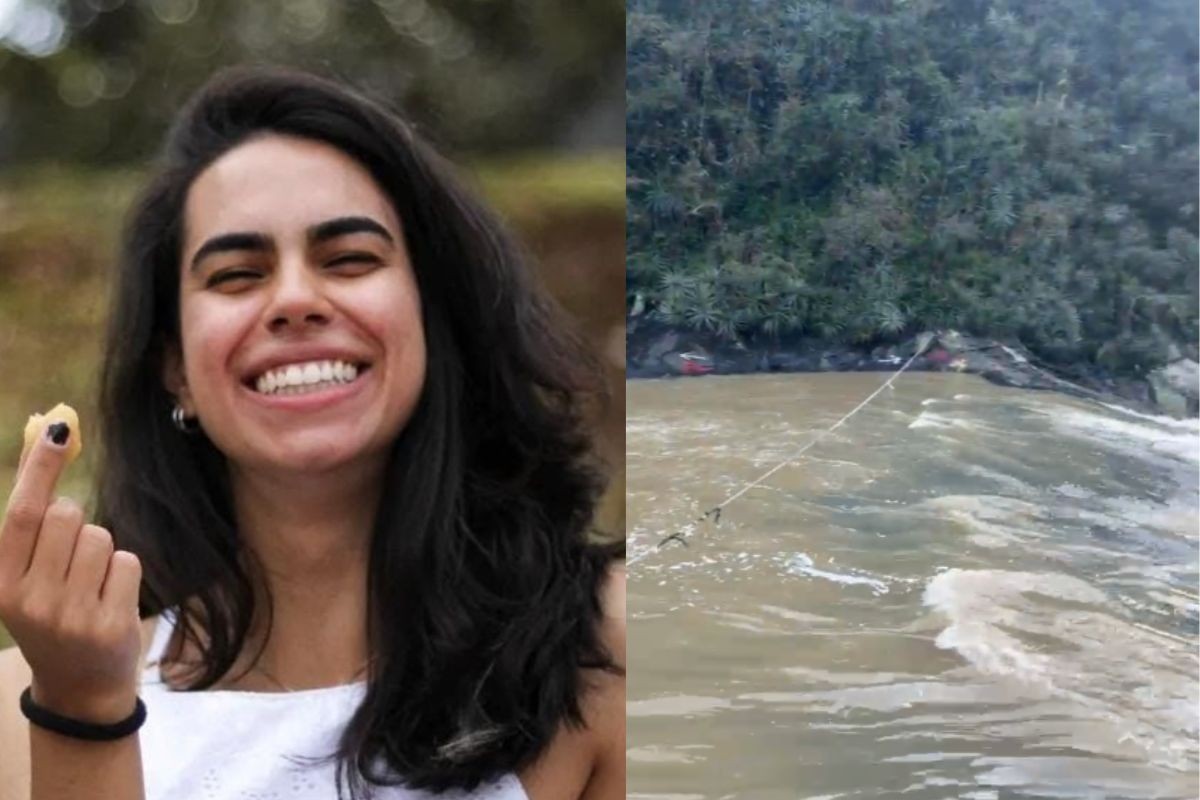
The body of 29-year-old photographer Ana Paula Silveira Cardoso, who disappeared on a trail in Paraná, Brazil, has been found and her cause of death confirmed as mechanical asphyxiation by drowning. Civil Police delegate Thiago Luiz dos Santos announced on Friday, May 31st, that the Scientific Police report indicated no other cause of death. The investigation is ongoing, awaiting complementary test results. Ana Paula went missing on Saturday, May 25th, while hiking with her friend Ana Carolyne Camilo at the Salto das Orquídeas trail in Sapopema, Northern Paraná. The incident occurred when they were crossing a river using a rope, and Ana Paula lost her grip and disappeared. Her body was discovered on Thursday, May 30th, by a drone operated by Captain Jackson Alexandre Machado, approximately 123 meters from the largest waterfall. Colonel Rafael Lorenzetto of the Fire Department confirmed the location. The current suspicion is that Ana Paula fell from the waterfall. The Salto das Orquídeas is a popular ecotourism and adventure destination known for its waterfalls and cascades. The delegate plans to interview the inn owner and tourists present that day to conclude the inquiry, maintaining that the investigation is proceeding as an accident. Ana Paula, a resident of Londrina, was an experienced hiker and circus student. Her friend, Ana Carolyne, also fell into the water while attempting to help but managed to save herself by holding onto a rock. She was hospitalized with a fractured spine and has since been discharged. The river level on the day of the incident was estimated to be 40 centimeters above normal, with strong currents.
The tragic death of Ana Paula Silveira Cardoso highlights the inherent risks associated with adventure tourism and natural environments. While the investigation points towards an accidental drowning, the circumstances—including the river's elevated water level and strong currents—underscore the importance of comprehensive risk assessments and safety protocols at popular natural attractions. Future considerations for such locations should include enhanced signage about current conditions, potentially guided tours during periods of high water, and readily available safety equipment. The incident also prompts reflection on the balance between promoting ecotourism for economic benefit and ensuring visitor safety, a perennial challenge for regions reliant on natural landscapes. Examining the operational procedures and communication channels between local authorities, park management, and visitors could reveal systemic improvements to prevent similar future tragedies.
AI-generated to prompt reflection — not editorial opinion, not advice, not a statement of fact. How this works.