Photographer's Body Found After Paraná Waterfall Accident; Warnings Ignored
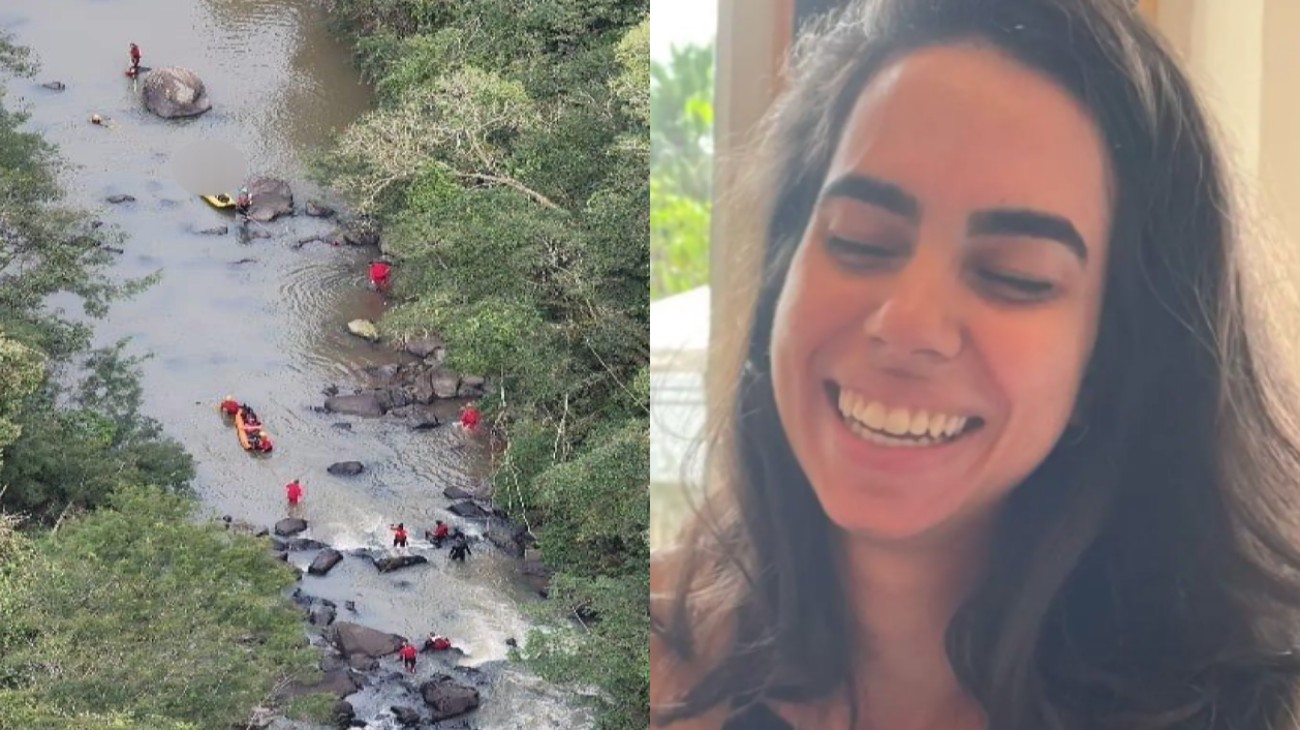
The body of photographer Ana Paula Silveira Cardoso, who went missing five days ago, was discovered on Thursday, May 30th, by a drone in Paraná, Brazil. Cardoso and her friend, Ana Carolyne Camilo, fell into the river while attempting to cross a strong current to reach a viewpoint at Salto das Orquídeas on Saturday, May 25th. Civil Police stated that staff at the waterfall site had warned the two women about the river's high water level and dangerous currents on the day of the accident. Despite these warnings and evidence from other tourists confirming the hazardous conditions, Cardoso and Camilo proceeded with the crossing. The owner of the private property, Luiz Busqueti, confirmed that the trail section crossing the river, leading to the final waterfall, was officially closed due to the water level, which was estimated to be 40 centimeters above normal on the day of the incident. Ana Carolyne Camilo survived the ordeal, sustaining a fractured vertebra, and was released from the hospital on Wednesday, May 29th. She managed to hold onto a submerged rock and was found by a staff member the following morning, approximately 500 meters downstream. The investigation is currently proceeding as an accident, with police analyzing cell phone data and witness testimonies. Cardoso's body was found 123 meters from the main waterfall's 45-meter drop. The Salto das Orquídeas is a popular ecotourism destination known for its waterfalls and adventure activities.
This incident highlights a critical tension between recreational access and inherent environmental risks at popular tourist destinations. While the investigation points towards an accident, the reported warnings from site staff and the owner's statement about the trail being closed raise questions about the effectiveness of risk communication and enforcement protocols. The presence of a signed liability waiver suggests a legal framework attempting to mitigate owner responsibility, yet the core issue remains the balance between promoting tourism and ensuring visitor safety in dynamic natural environments. Future considerations may involve enhanced real-time monitoring of environmental conditions, more robust safety infrastructure, and clearer protocols for managing access during periods of elevated risk, especially in areas prone to rapid water level fluctuations. The tragedy underscores the need for continuous evaluation of safety measures in adventure tourism to prevent similar occurrences.
AI-generated to prompt reflection — not editorial opinion, not advice, not a statement of fact. How this works.