Physical Video Games Face Extinction by 2028
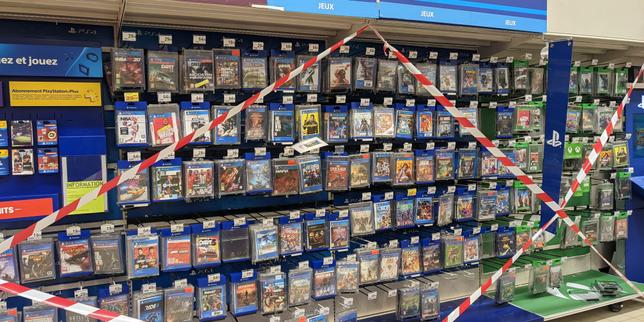
Sony's PlayStation is set to discontinue physical game support in January 2028, marking a significant shift in the video game industry. This decision reflects a broader trend where video games are increasingly viewed as ongoing services rather than one-time product purchases. Consequently, players are becoming more reliant on digital download platforms for accessing their games. This move signals a potential end for the traditional model of buying physical game discs, which has been a staple for decades. The industry's transition towards digital distribution and service-based models is accelerating, driven by technological advancements and changing consumer behaviors. This change will likely impact game preservation, ownership models, and the secondary market for games. Players will need to adapt to a future where their game libraries are primarily digital and tied to specific platforms and accounts. The long-term implications for game developers, publishers, and consumers are substantial, reshaping how games are created, distributed, and consumed.
The discontinuation of physical game support by major platforms like PlayStation signifies a fundamental redefinition of video games from discrete products to continuous services. This transition leverages digital distribution and platform dependency, potentially increasing recurring revenue streams for publishers through subscriptions and in-game purchases. However, it raises concerns about long-term game preservation and digital ownership rights, as players may lose access to titles if platforms or services are discontinued. The industry's trajectory suggests a future dominated by cloud gaming and subscription models, necessitating careful consideration of equitable access, data privacy, and the potential for digital monopolies over the next decade.
AI-generated to prompt reflection — not editorial opinion, not advice, not a statement of fact. How this works.