Physicists Develop Novel Material for Independent Heat Absorption and Emission Control
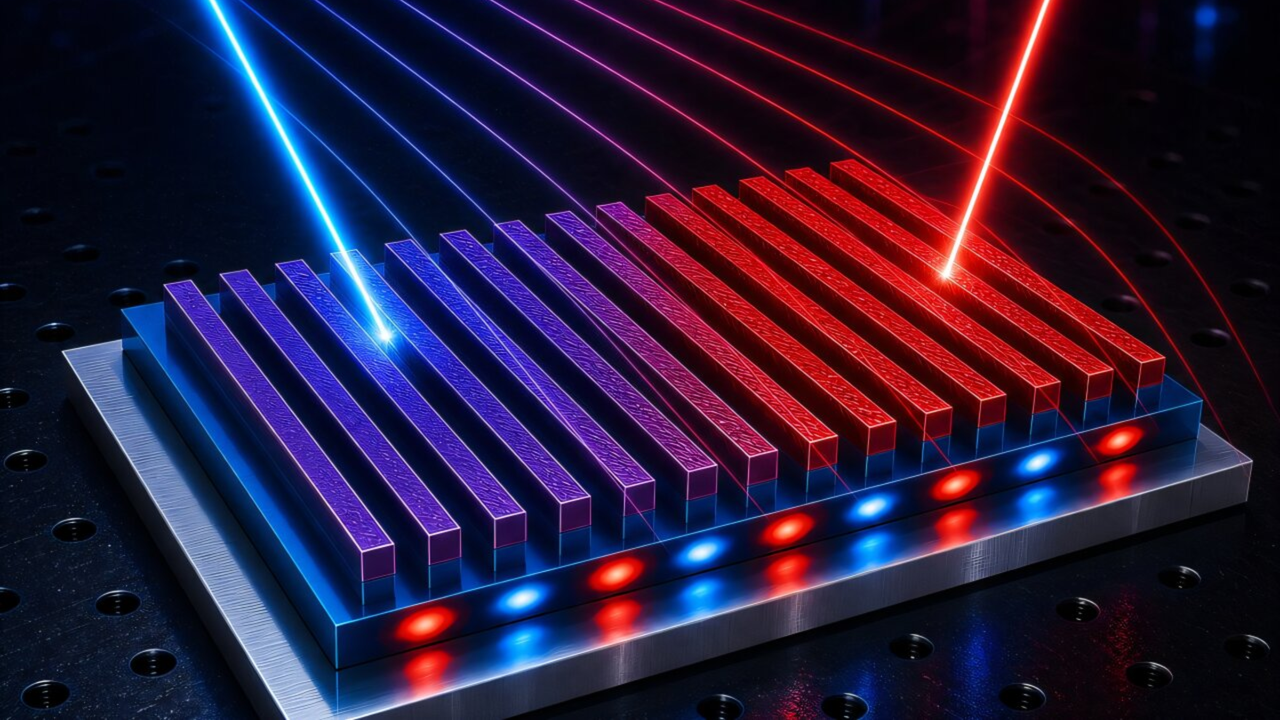
Scientists have engineered a groundbreaking material capable of independently managing its heat absorption and emission properties. This innovative material can be programmed to absorb or emit heat at specific rates, offering unprecedented control over thermal energy. A remarkable feature of this material is its ability to retain these programmed settings even after the power source is disconnected. This persistent thermal memory suggests potential applications in energy efficiency, thermal management systems, and advanced electronics. The research opens new avenues for designing materials with dynamic thermal responses. Further development could lead to devices that passively regulate temperature, reducing energy consumption. The implications span various fields, from aerospace engineering to consumer electronics, where precise thermal control is critical. This discovery marks a significant step forward in the field of materials science and thermal engineering.
This development in materials science offers a novel approach to thermal management by decoupling heat absorption and emission. The ability to retain settings post-power suggests a passive mechanism, potentially reducing energy demands in systems requiring precise temperature control. Future applications could leverage this for more efficient energy storage and dissipation, impacting areas from electronics cooling to climate control technologies. Understanding the underlying physics and scalability of this material will be crucial for its widespread adoption and for assessing its long-term impact on energy efficiency and sustainability.
AI-generated to prompt reflection — not editorial opinion, not advice, not a statement of fact. How this works.
