Physicists Solve Century-Old Sprinkler Mystery That Stumped Richard Feynman
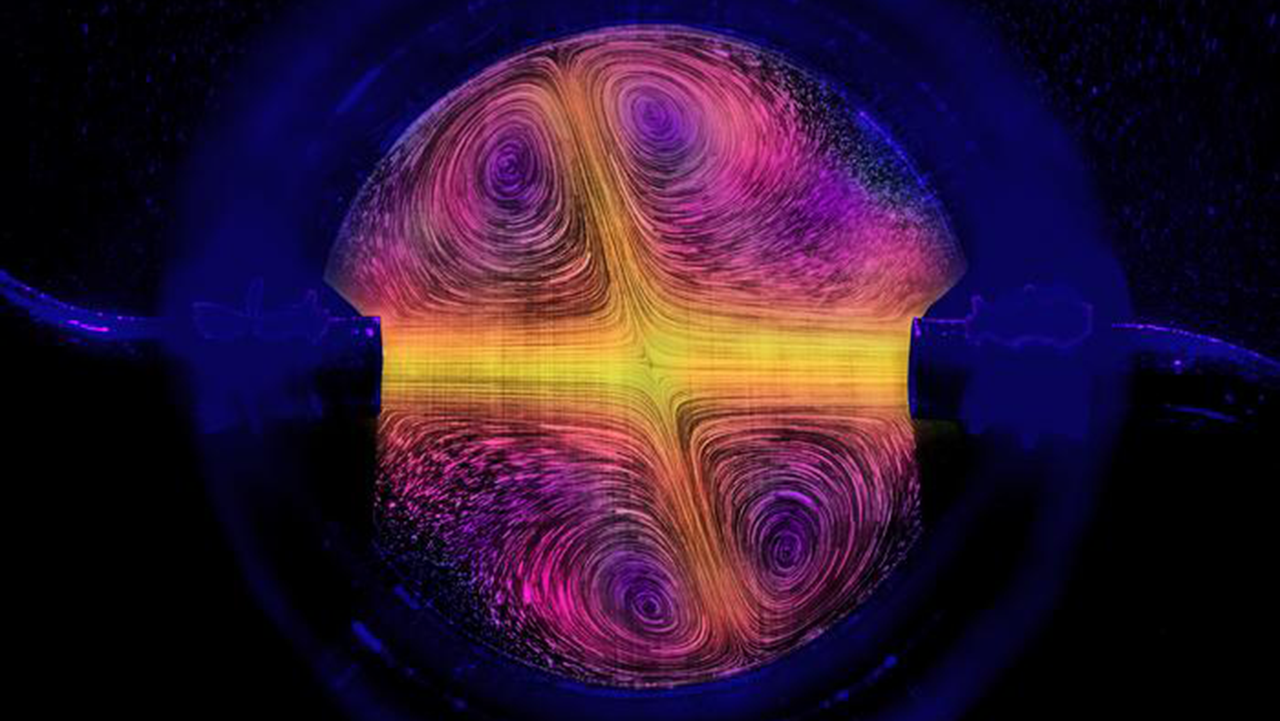
Scientists have finally explained the phenomenon of why a sprinkler spins when it draws water in, rather than when it sprays water out. This perplexing question had previously stumped Nobel laureate physicist Richard Feynman and divided the scientific community for nearly a century. The resolution of this long-standing puzzle marks a significant moment in fluid dynamics. The original problem, often referred to as the "sprinkler paradox," has been a subject of debate and investigation among physicists for decades. Feynman himself, known for his insightful explanations of complex physical phenomena, was unable to fully resolve the issue. The new findings provide a definitive answer, clarifying the underlying physical principles at play. This breakthrough is expected to contribute to a deeper understanding of fluid mechanics and potentially influence the design of related technologies.
The resolution of the sprinkler paradox, a problem that eluded even Richard Feynman for decades, highlights the persistent nature of fundamental physics questions. This event underscores how complex systems, even those appearing simple like a sprinkler, can harbor intricate dynamics that require novel analytical approaches. The scientific process, characterized by rigorous investigation and peer review, eventually overcomes long-standing enigmas, demonstrating its resilience. This case serves as a reminder that advancements often emerge from challenging established paradigms and that continued inquiry is essential for scientific progress, particularly as we navigate the increasingly complex technological landscape of the coming decade.
AI-generated to prompt reflection — not editorial opinion, not advice, not a statement of fact. How this works.