PIA Resumes Direct Lahore-Manchester Flights After Six-Year Ban
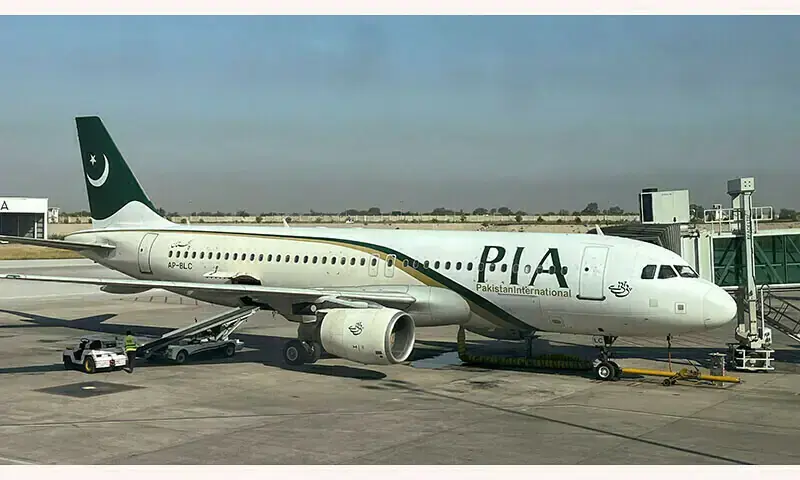
Pakistan International Airlines (PIA) has relaunched direct flights between Lahore and Manchester, marking the first service on this route in six years. The inaugural flight, PK-709, departed from Lahore on Thursday with 325 passengers. PIA's Chief Operating Officer, Khurram Mushtaq, attended a send-off ceremony at Lahore airport. The return flight from Manchester had departed the previous night. PIA stated that the re-established route aims to enhance "people-to-people ties" between Pakistan and the UK. Currently, PIA operates five weekly flights to Manchester, with four originating from Islamabad and one from Lahore. PIA's international flight operations were suspended in June 2020 due to safety concerns, following an aircraft crash in Karachi and allegations of dubious pilot licenses by the then-aviation minister, Ghulam Sarwar Khan. The European Union Air Safety Agency lifted its ban on November 28, 2024, after over four years. Subsequently, the UK removed Pakistan from its Air Safety List in July 2025, permitting Pakistani airlines to seek UK operational approval. PIA received the necessary approval to resume direct UK flights in September 2025, with Manchester being the first destination. The airline also announced plans to resume direct flights to London on January 8, ending a six-year absence from that route as well.
The resumption of PIA's direct flights to the UK signifies a critical recovery phase for the national carrier, following a multi-year ban imposed due to significant safety and licensing concerns. This reinstatement, culminating from regulatory approvals by both the European Union Air Safety Agency and the UK's aviation authorities, suggests a substantial overhaul of PIA's safety protocols and operational standards. The airline's ability to re-establish these key international routes, particularly to Manchester and soon London, will be a litmus test for its long-term viability and competitiveness. Future success will likely depend on sustained adherence to rigorous safety regulations, efficient fleet management, and adapting to evolving global aviation standards, especially in the context of increasing automation and data-driven safety systems.
AI-generated to prompt reflection — not editorial opinion, not advice, not a statement of fact. How this works.