Piauí Coast Offers Diverse July Vacation Activities
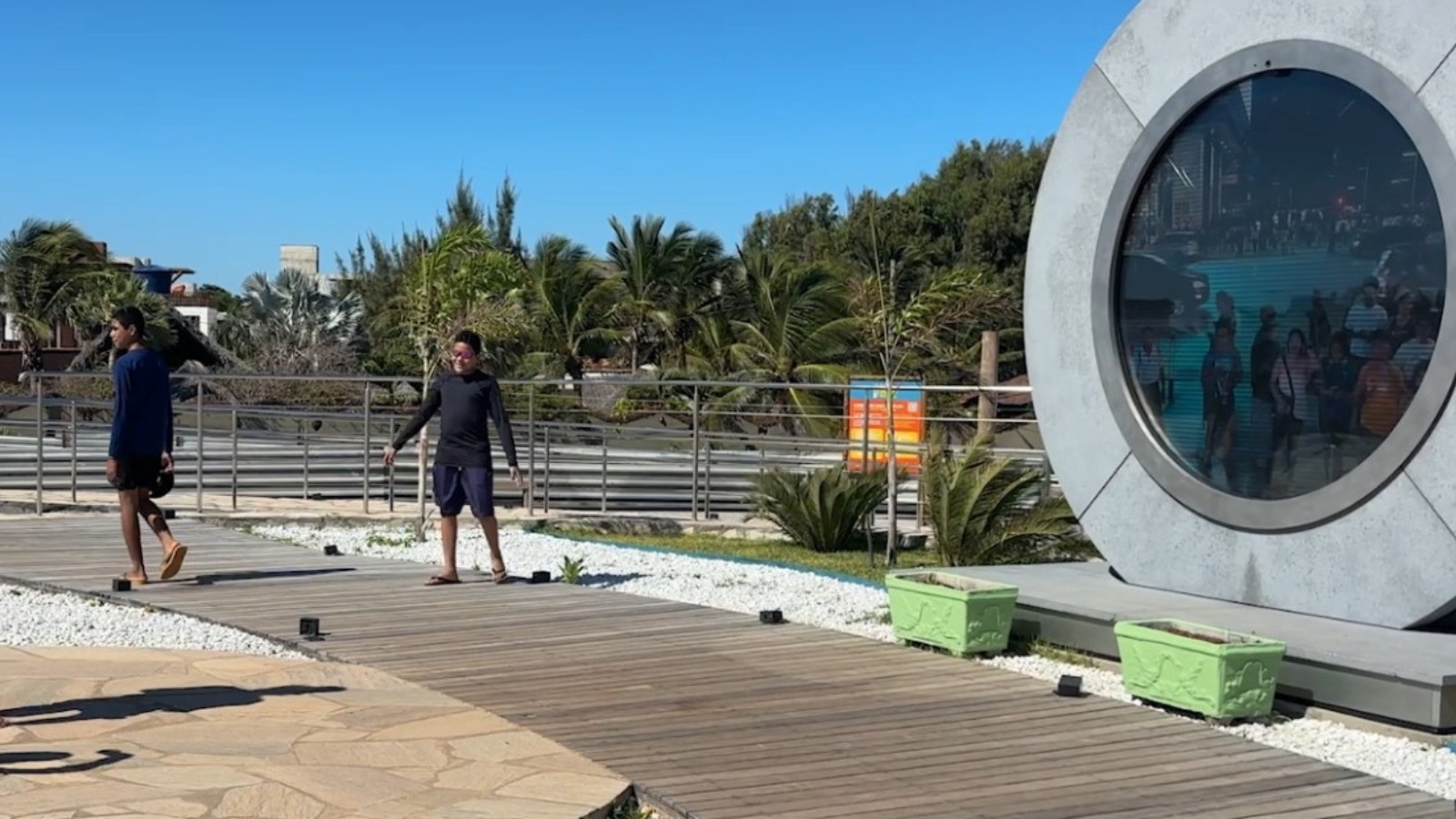
The Piauí coast is presenting a variety of attractions for those spending their July holidays in the region, with destinations including Barra Grande, Cajueiro da Praia, and Praia do Macapá. A notable highlight is the Interactive Technological Portal in Barra Grande, described as Latin America's first of its kind. This portal features a large circular screen and high-definition cameras enabling real-time live broadcasts, connecting visitors and locals with individuals in six different countries through gestures and movements, though without audio.
Further inland, the Cajueiro Rei in Cajueiro da Praia stands as the world's largest cashew tree and is recognized as an environmental heritage site in Piauí. Its expansive growth creates a unique natural monument with a free-access viewpoint available daily from 7 AM to 5 PM. In Barra Grande, the Projeto Vivo, founded in 2013 by Isabel Lupianez and João Bosco, uses kitesurfing and futsal for social inclusion and environmental education, having served over 200 young people, with around 60 currently participating in kitesurfing lessons. Participation requires school enrollment, good attendance, and academic performance.
Another significant draw is the 'Revoada dos Guarás' (Guará Flock), a sunset spectacle in the mangrove between Barra Grande and Praia do Macapá. This event, costing approximately R$200 per person, allows direct engagement with local wildlife and scenery, including traditional fishing corrals that utilize tidal movements for fish capture.
The Piauí coast is promoting tourism by highlighting a mix of technological innovation, natural wonders, community-based social projects, and unique wildlife experiences. The Interactive Technological Portal aims to foster global connections, while the Projeto Vivo demonstrates how sports and education can serve as tools for social mobility and environmental awareness. The 'Revoada dos Guarás' capitalizes on natural phenomena for ecotourism. These initiatives collectively aim to diversify the region's appeal beyond traditional beach tourism, potentially creating economic opportunities and promoting conservation. The success of these ventures will likely depend on sustainable management practices, continued investment in infrastructure, and effective marketing to attract and retain visitors, while ensuring benefits reach local communities.
AI-generated to prompt reflection — not editorial opinion, not advice, not a statement of fact. How this works.