Piauí Court Appoints Two Female Judges, Reaching Historic Gender Representation
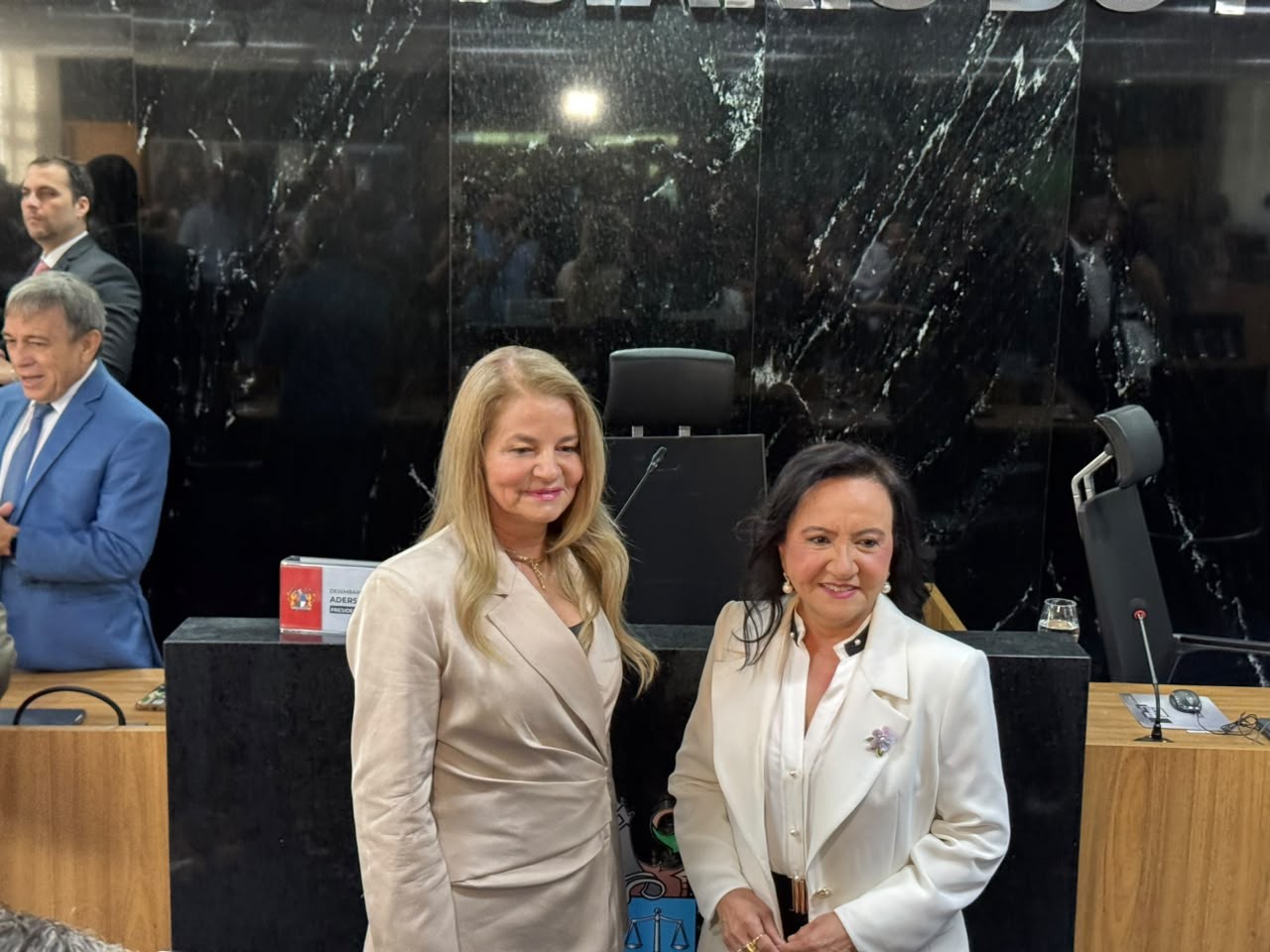
The Court of Justice of the State of Piauí (TJPI) in Brazil has appointed two new female judges, Maria Célia Lima Lúcio and Maria Luíza de Moura Mello e Freitas, to the position of desembargadora. This historic appointment brings the total number of women serving as desembargadoras on the court to four, the highest in its history. Previously, the court had a maximum of two women in this role simultaneously. The ceremony, presided over by TJPI President Aderson Nogueira, took place in Teresina and was attended by magistrates and authorities from the executive, legislative, and judicial branches. Judge Maria Célia Lima Lúcio was promoted based on merit, while Judge Maria Luíza de Moura Mello e Freitas advanced based on seniority. Judge Moura Mello e Freitas highlighted the National Council of Justice's (CNJ) Resolution 525/2023, which mandates gender alternation in merit-based promotions to ensure women constitute at least 40% of court compositions. President Nogueira emphasized that while the appointments align with the CNJ resolution, they also recognize the nearly four decades of dedicated service and deep understanding of the state by both magistrates, who began their careers in 1987. He noted their extensive experience in various judicial roles, including sensitive areas like violence and juvenile cases, as well as administrative positions such as court director and head of the public finance court. Both new desembargadoras expressed their commitment to serving the public. Judge Moura Mello e Freitas plans to continue her work closely with the community, a hallmark of her prior role as a children's court judge. Judge Lima Lúcio aims to increase the speed of case processing at the appellate level, ensuring timely justice for the citizens of Piauí.
The appointment of two new female judges to the Piauí Court of Justice marks a significant step toward achieving greater gender parity within Brazil's judiciary. This development aligns with the CNJ's Resolution 525/2023, which seeks to address historical underrepresentation by promoting gender alternation in judicial appointments. The court's leadership has acknowledged both the regulatory imperative and the individual merits of the appointed judges, underscoring their extensive experience and dedication. This event highlights the evolving landscape of judicial governance, where policy interventions are actively being employed to foster more inclusive institutional structures. Looking ahead, sustained commitment to such policies, coupled with robust evaluation mechanisms, will be crucial to ensuring that these gains are not only maintained but also expanded across all levels of the judiciary, reflecting a broader societal shift towards equitable representation in positions of authority.
AI-generated to prompt reflection — not editorial opinion, not advice, not a statement of fact. How this works.