Piauí Court Halts R$51 Million Housing Project Over Irregularities
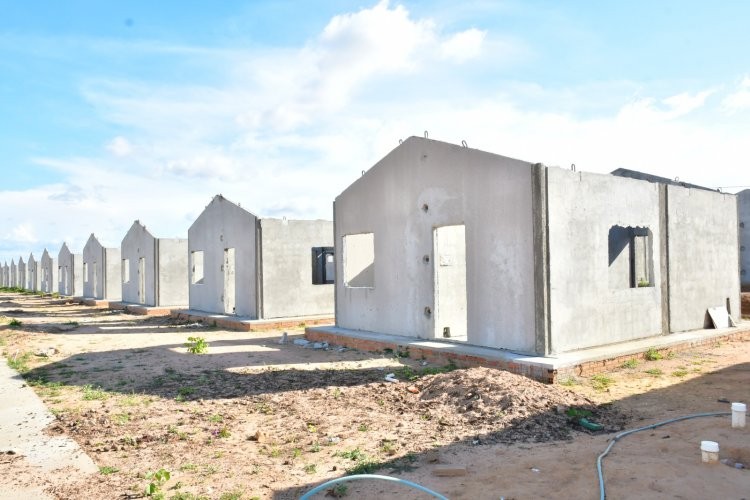
The Piauí Court of Accounts (TCE-PI) has suspended the results of a public tender worth over R$51 million for the construction of 300 homes under the federal Minha Casa, Minha Vida program in Piauí. The suspension, effective Thursday, February 2nd, was prompted by a complaint from a competing company alleging irregularities in the tender's bidding process. The TCE-PI indicated that a specific requirement in the tender may have unfairly limited the participation of qualified companies. This precautionary measure will remain in place until the court can conduct a definitive analysis of the case. The tender aims to fund the design and construction of housing units for low-income families. The TCE cited that the bidding rules imposed restrictions on how companies could use past executed contracts to demonstrate their experience and technical capacity. The reporting justice on the case found that the Housing Development Agency of Piauí (ADH) failed to provide sufficient technical justification for these limitations. The court believes such restrictions can reduce competition by excluding eligible firms. Consequently, the ADH is now prohibited from proceeding with the tender, including submitting proposals to the financial agent, until the TCE completes its review. The ADH has been ordered to submit studies supporting the contested requirements and all documentation related to the selection process for the court's further evaluation. The ADH stated they had not yet been officially notified of the decision and would respond accordingly once formally informed.
This situation highlights a common tension in public procurement: balancing the need for efficiency and specific project requirements against the imperative of fostering broad competition and preventing potential favoritism. The TCE-PI's intervention, based on a representation from an unsuccessful bidder, suggests a concern that the ADH's stipulated criteria may have unduly narrowed the field of eligible contractors. Such restrictive clauses, even if unintentionally, can lead to higher costs or reduced innovation by limiting the pool of potential service providers. Moving forward, the ADH will need to demonstrate the technical necessity of its requirements to the TCE. This case underscores the importance of transparent and defensible procurement processes, particularly when substantial public funds are involved, to ensure both value for money and equitable access for businesses within the established legal framework. The next decade's focus on efficient resource allocation and robust governance will likely see increased scrutiny on such bidding practices.
AI-generated to prompt reflection — not editorial opinion, not advice, not a statement of fact. How this works.