Piauí Election Officials: 35,000 Volunteers Registered, Call-Up Begins
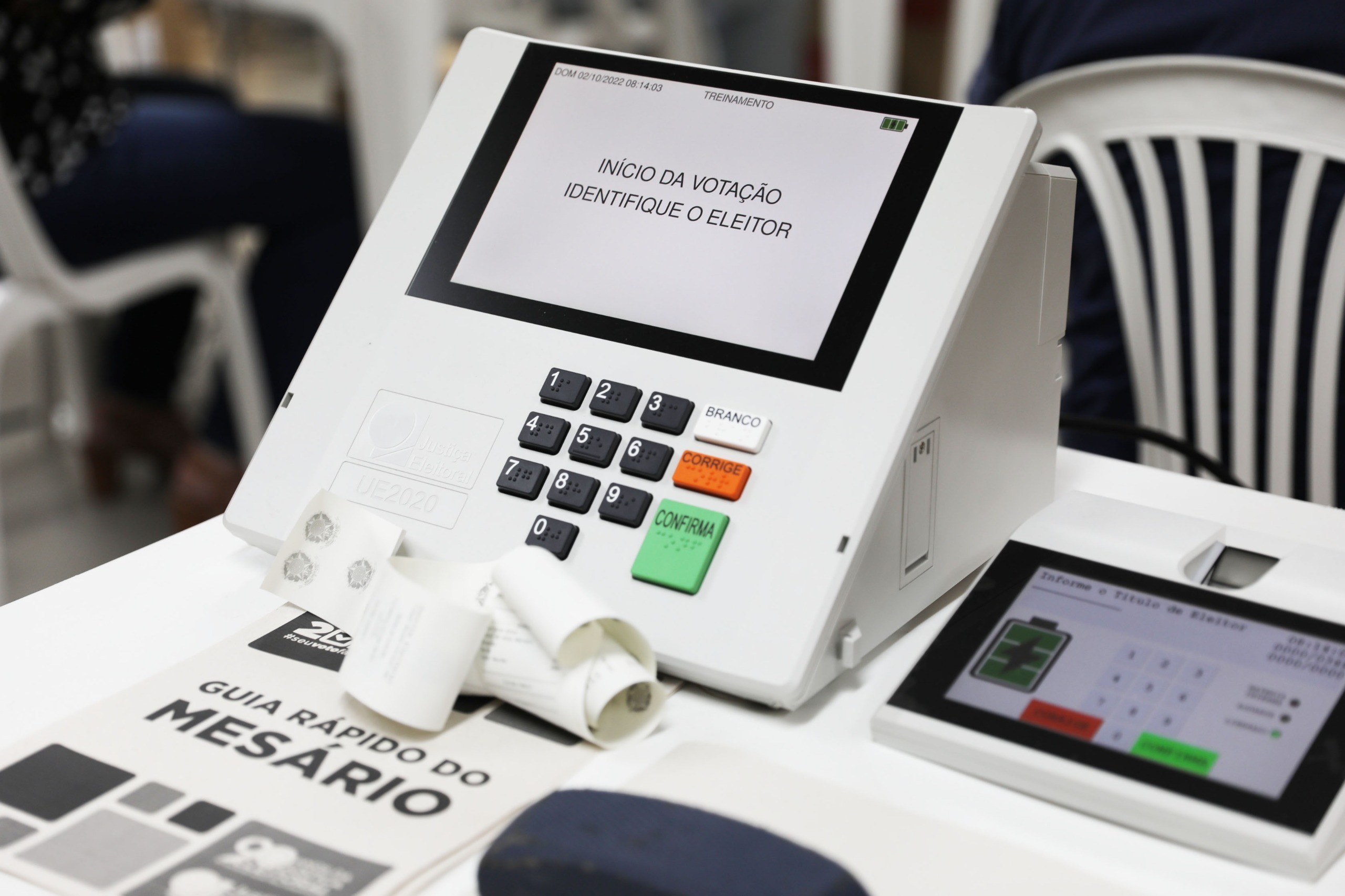
The Regional Electoral Court of Piauí (TRE-PI) has commenced the call-up for volunteer poll workers for the 2026 elections, starting on Tuesday, September 7th. Approximately 35,000 individuals are currently registered as volunteer poll workers, though the court estimates a need for 45,000 to cover all positions. Notifications are being sent via email or registered phone numbers, and individuals with outdated contact information are urged to update their details at the electoral registry office. If the number of volunteers falls short, electoral offices will select eligible voters from the registry, requiring a minimum age of 18, good standing in the registry, and at least a primary or secondary education. Registration as a volunteer does not guarantee selection; availability and candidate suitability are assessed. However, those officially summoned are obligated to serve unless granted an exemption by the Electoral Justice system. TRE-PI also issued a warning about fraudulent communications impersonating the Electoral Justice, advising that official WhatsApp messages originate solely from number (86) 2107-9700 and do not request personal data or payments. Benefits for poll workers include time off from work equivalent to double the days of service, a tie-breaking advantage in public service exams, potential credit for extracurricular activities at affiliated educational institutions, and exemption from public service exam fees.
The TRE-PI's proactive recruitment of 35,000 volunteer poll workers highlights a systemic reliance on civic participation to ensure electoral integrity. While the volunteer model offers cost efficiencies and community engagement, the projected shortfall of 10,000 workers underscores potential challenges in maintaining adequate staffing levels for large-scale elections. This dynamic raises questions about the long-term sustainability of volunteer-based electoral support systems in the face of demographic shifts and increasing electoral complexity. The court's efforts to mitigate fraud through clear communication channels are crucial for maintaining public trust in the electoral process, especially as digital communication channels become more susceptible to manipulation. Future electoral planning may need to consider more robust strategies for ensuring sufficient, qualified personnel, potentially exploring hybrid models that balance volunteerism with professionalized electoral administration to adapt to the evolving demands of democratic governance in the digital age.
AI-generated to prompt reflection — not editorial opinion, not advice, not a statement of fact. How this works.