Piauí Exceeds 5,000 Volunteers in Brazil's Largest Genetic Study
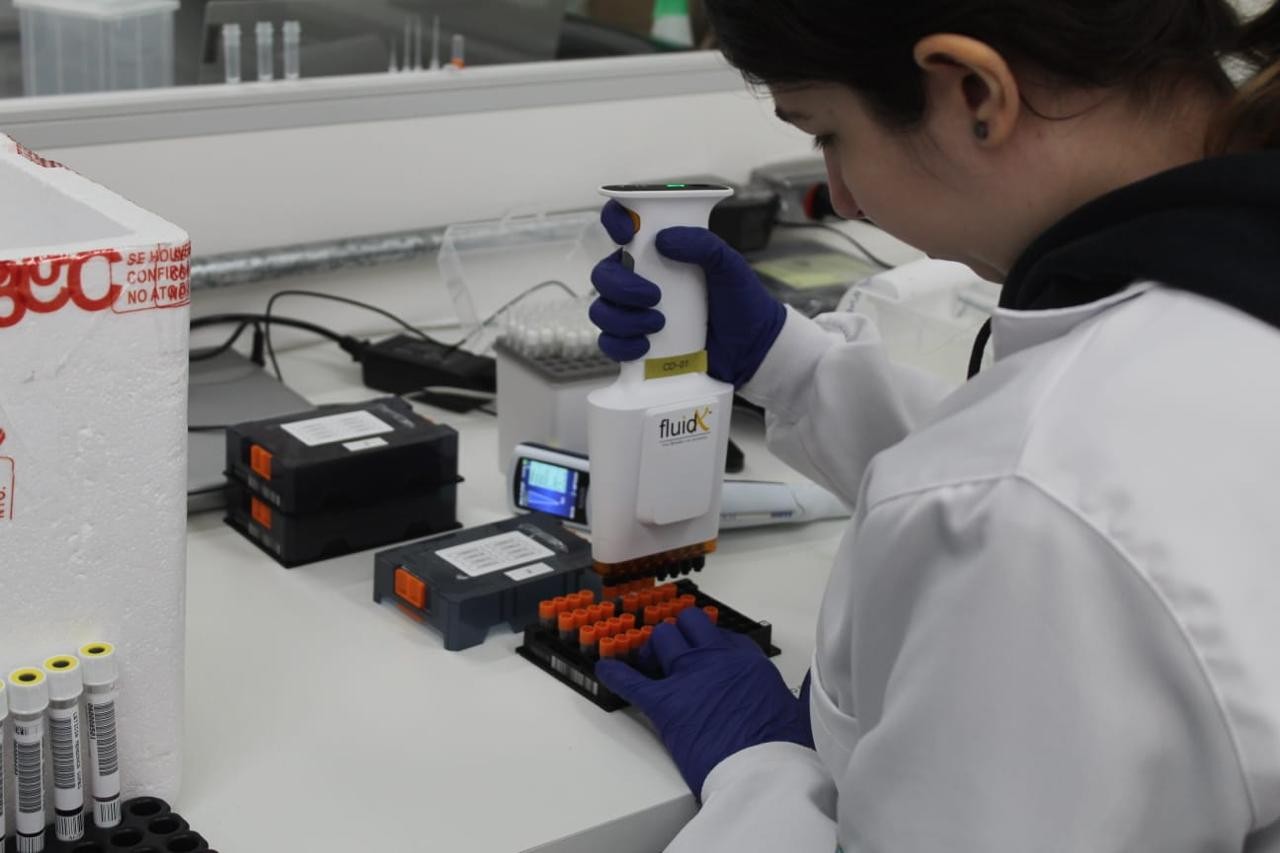
The gen-t Brazil Project has surpassed 5,000 participants in Piauí, establishing the state as a key hub for Brazil's most extensive genetic mapping initiative. Nationwide, the project has enlisted over 30,000 volunteers and aims to reach 200,000 participants in the coming years, ultimately forming the largest genetic bank in Latin America. This study, led by Brazilian scientists, seeks to understand the population's genetic diversity and advance the development of more precise diagnostics, medications, and treatments. The project's inception stemmed from the need to increase representation in genomic research, as current global data predominantly relies on European populations.
In the Northeast region, both Piauí and Bahia are contributing data, positioning the area strategically within the research. In Teresina, recruitment is a collaborative effort with the Med Imagem Group. Maria do Carmo Martins, coordinator of the Med Imagem Group's Research Center, highlighted the significance of Brazil's mixed heritage in making the project highly relevant. She stated that understanding genetic origins can improve disease risk assessment and lead to more personalized treatments for Brazilians. Beyond scientific contribution, participants receive annual free check-ups, including laboratory tests and health reports, and genetic ancestry analyses to identify their DNA's origins. Dr. Felipe Scipião, manager of education and research at Med Imagem Group, noted that the project's progress in Piauí reflects public interest in research that can revolutionize future healthcare. He believes Piauí's strong engagement places Brazil at the forefront of precision medicine research, with potential impacts for future generations.
Launched in 2021, the gen-t Brazil Project involves scientists, bioinformatics specialists, and research centers across Brazil. The initiative plans to follow volunteers for five years, integrating genetic, clinical, and behavioral data to deepen understanding of Brazilian population health. Data collection adheres to strict safety, confidentiality, and informed consent protocols, in line with Brazil's General Data Protection Law (LGPD) and scientific ethical standards. Participants aged 18 and over in Teresina and surrounding areas can join for free by scheduling an appointment via the official link, completing a health questionnaire, and attending their scheduled collection with an 8-12 hour fasting period. The collection site is located at Rua Paissandu, 1894, Centro (Sul), Teresina-PI.
This large-scale genetic study addresses a critical gap in global genomic research by prioritizing the inclusion of diverse populations, particularly Brazilians, whose genetic makeup is often underrepresented in existing datasets. By aiming to build the largest genetic bank in Latin America, the project seeks to democratize precision medicine, potentially leading to more equitable health outcomes. The initiative's success hinges on sustained public trust, robust data privacy measures compliant with LGPD, and the long-term commitment of its scientific and research partners. Future challenges may include navigating ethical considerations around genetic data utilization and ensuring that the benefits of personalized medicine are accessible across socioeconomic strata, thereby realizing the project's potential to transform healthcare for future generations.
AI-generated to prompt reflection — not editorial opinion, not advice, not a statement of fact. How this works.