Piauí Farmer Builds Tractor from Recycled Parts Over 20 Months
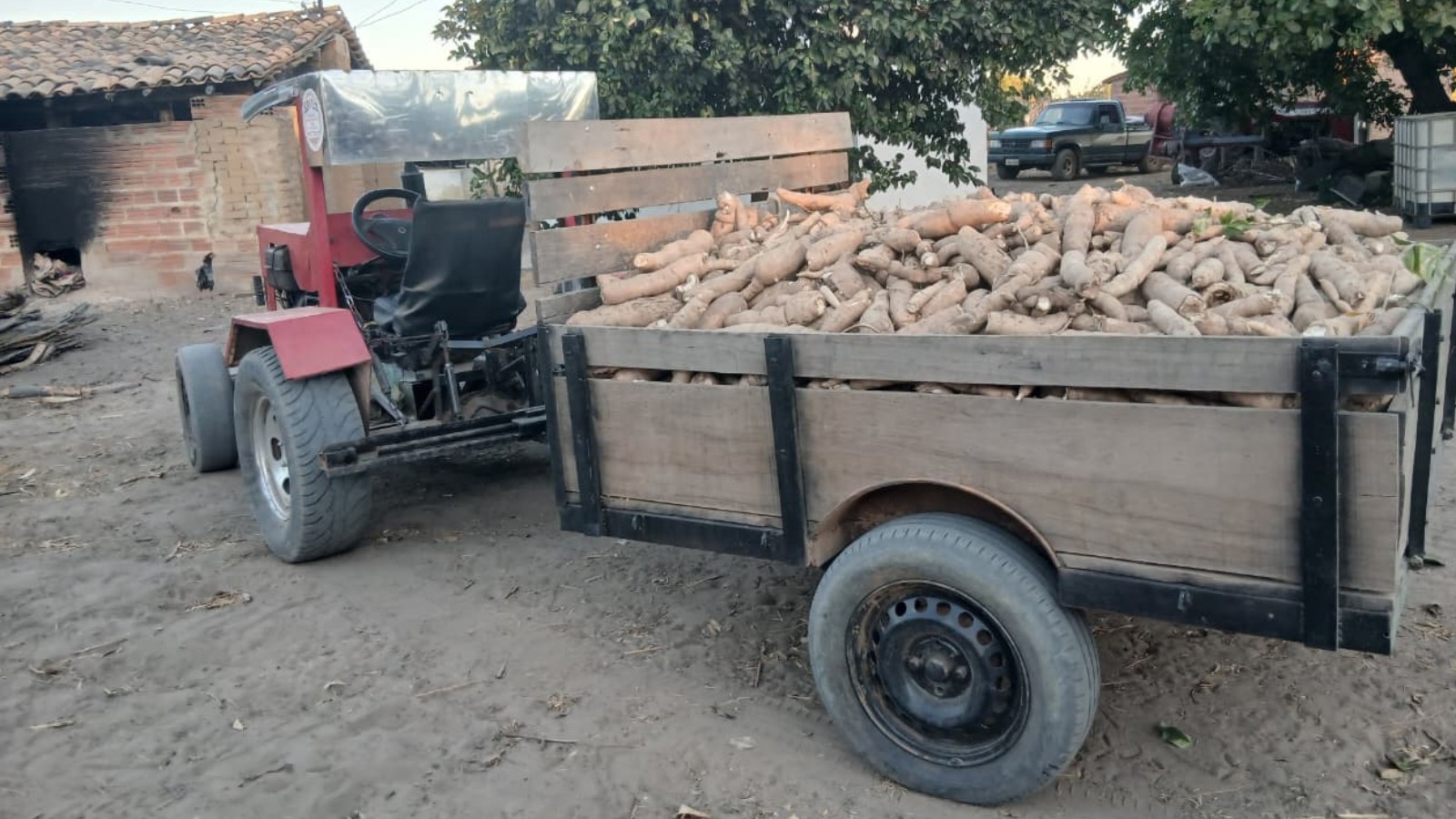
Sebastião Raimundo, a 56-year-old farmer known as Tiãozinho, has successfully built a small tractor using repurposed parts, fulfilling a childhood dream. The project, undertaken in São José do Piauí, took one year and eight months to complete and is now actively used on his property. The homemade tractor significantly aids his agricultural work, including preparing land for planting and transporting various goods such as cassava, firewood, water, cattle feed, beehives, and materials for his flour house. Tiãozinho has also created compatible agricultural implements, like a cart, plow, and forage harvester, to attach to the tractor. His lifelong aspiration to build a tractor stemmed from his youth, and he ultimately prioritized its utility in farming over owning a car. The construction was a gradual process, influenced by his financial situation. He purchased an old Chevrolet Chevette, salvaging components like the gearbox. The total investment for the tractor and its attachments is estimated at around R$12,000. Tiãozinho learned welding approximately 30 years ago, which enabled him to develop the project and fabricate parts independently. While he has no plans to sell his current tractor, he is open to building more if commissioned, expressing immense joy and emotion at realizing his long-held ambition.
This story highlights an individual's ingenuity and resourcefulness in overcoming resource limitations through mechanical innovation. The farmer's self-sufficiency in constructing a functional tractor from salvaged materials and his own labor demonstrates a practical response to economic constraints, potentially offering a model for low-cost agricultural mechanization. The narrative also implicitly points to the value of traditional skills, such as welding, in enabling such DIY projects. From a systems perspective, this localized solution contrasts with large-scale industrial agricultural equipment, raising questions about accessibility, affordability, and sustainability in farming practices. Future developments might explore how such grassroots innovations can be scaled or supported, or conversely, how they interact with established markets for agricultural machinery.
AI-generated to prompt reflection — not editorial opinion, not advice, not a statement of fact. How this works.