Piauí-Filmed Documentary 'The Fabulous Time Machine' Gets Free Screening in Teresina
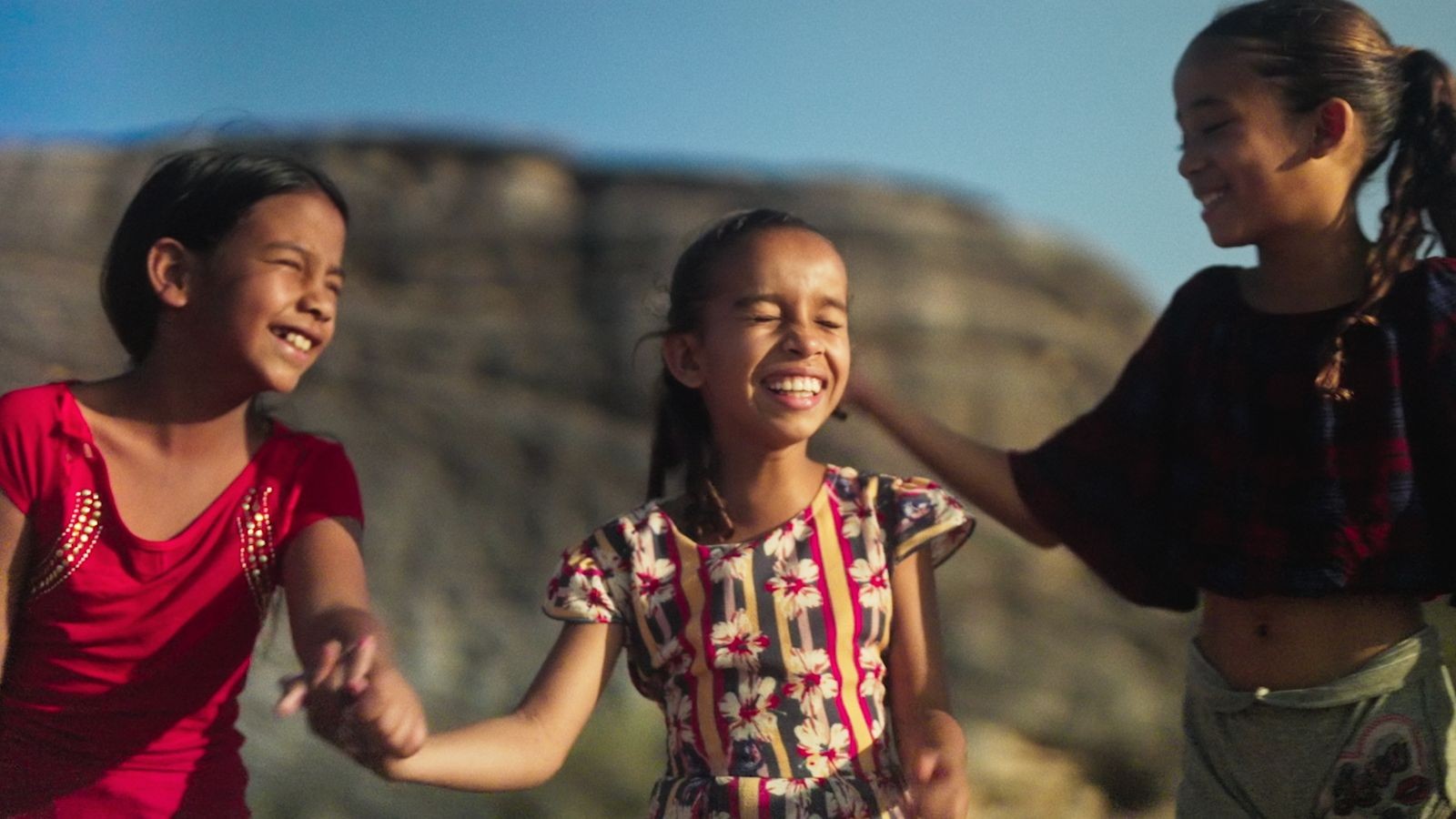
The documentary 'A Fabulosa Máquina do Tempo' (The Fabulous Time Machine), filmed in Guaribas, Piauí, premiered on Thursday, November 30th. The film explores themes of gender relations, marriage, and motherhood through the perspectives of children conducting interviews and engaging in play. A free screening will be held on Saturday, December 1st, at 6:30 PM at the Sesc Cajuína Cine Theater in Teresina, with director Eliza Capai and some cast members in attendance. Tickets will be available 30 minutes before the show.
Director Eliza Capai first visited Guaribas in 2013, aiming to document shifts in gender dynamics as women became primary breadwinners through the Bolsa Família program. The documentary's concept emerged from encounters with women who, having experienced poverty, witnessed their daughters gain new life opportunities through education, nutrition, and broader future prospects. Capai was inspired by the expanded possibilities for existence available to these daughters, which formed the project's foundation. Filming took place in 2021, with child participants receiving video workshops to learn interviewing techniques. These interviews with their mothers and grandmothers, discussing life's hardships, marriage, and motherhood, became the narrative's core. The children's interpretations and reactions are depicted through their games and conversations, highlighting poignant moments like a child's innocent response to a mother's fear of loss.
Previously, the documentary was screened in Guaribas's central square for approximately 640 residents in May. This local exhibition was initiated as the film toured festivals nationally and internationally, gaining momentum after some protagonists attended its premiere in Berlin, Germany. Since Guaribas lacks cinema venues, the screening was organized by CineSolar, Brazil's first solar-powered mobile cinema. The event included the film crew, participants, and their families. Capai described the premiere as deeply emotional, with one mother noting that Guaribas, once known as the 'city of hunger,' is now recognized as the 'city of dreams.' Despite the sensitive topics, the reception was overwhelmingly positive, with participants expressing both shyness and immense pride.
This documentary offers a lens into the transformative impact of social programs and education on intergenerational perspectives within a specific Brazilian community. By centering children's inquiries into the lives of their mothers and grandmothers, the film highlights evolving societal norms around gender roles and family structures, particularly in the context of economic empowerment. The narrative framing, which contrasts childhood innocence with adult realities, prompts reflection on how access to education and opportunity can reshape aspirations and perceptions of future possibilities. The initiative to screen the film locally, especially in a community lacking traditional cinema infrastructure, underscores the importance of accessible cultural engagement and community dialogue. Future considerations might involve examining the long-term sustainability of these observed shifts and the broader policy implications for rural development and gender equality initiatives across similar socio-economic contexts.
AI-generated to prompt reflection — not editorial opinion, not advice, not a statement of fact. How this works.