Piauí Fire Department Appoints First Female Colonel in 82-Year History
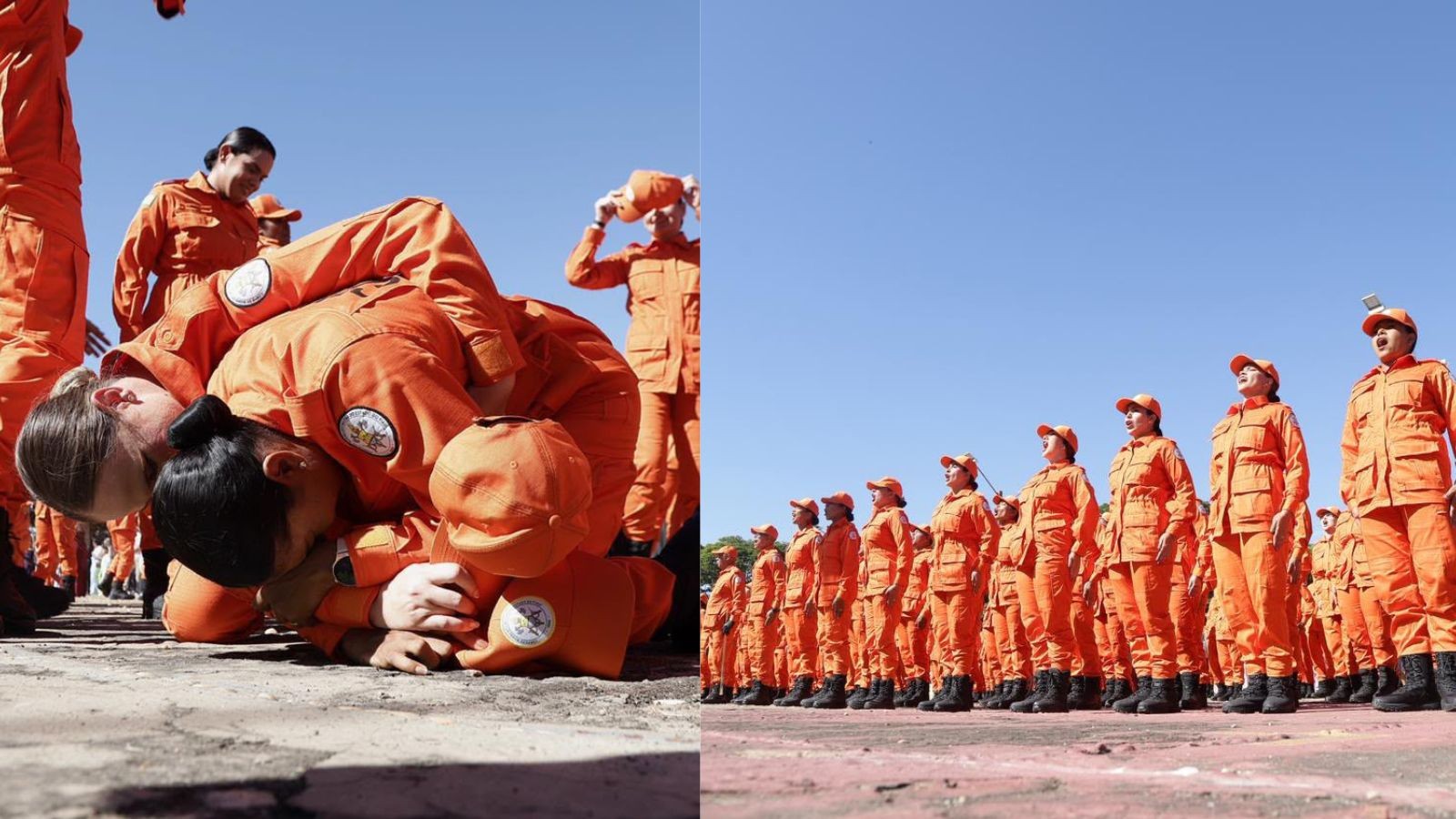
Ana Cléo Diniz has made history as the first woman to achieve the rank of Colonel in the Piauí State Military Fire Department (CBMEPI), an institution founded in 1944. This significant milestone was celebrated during the Military Firefighter Soldier Training Course graduation ceremony on Friday, March 3rd. Colonel Diniz expressed her deep emotion and gratitude, stating that this recognition fuels her commitment to serving society. She has dedicated 32 years to military service, initially spending eight years in the Military Police before fulfilling her lifelong dream of becoming a firefighter. After graduating from the Officer Training Course (CFO) in 2005, she served in Teresina and Picos, where she commanded for 12 years. Her career progression includes commanding battalions and rescue operations before assuming her current role as head of procurement. Colonel Diniz emphasized that her promotion is a collective victory for all women, particularly as the ceremony also saw the graduation of 168 new female soldiers, contributing to a significant female presence within the Fire Department. She stated, "I win, all women win." The event also promoted 77 other military personnel.
The appointment of the first female Colonel in the Piauí Fire Department marks a significant shift in institutional representation, reflecting broader societal trends toward gender equality in traditionally male-dominated fields. This event highlights the evolving dynamics within public service organizations, where meritocratic advancement is increasingly expected to transcend historical gender barriers. The long tenure of the institution (82 years) underscores the systemic nature of past limitations, suggesting that such advancements are often the result of sustained advocacy and changing cultural norms rather than isolated incidents. Looking ahead, this precedent could influence recruitment, retention, and promotion policies, potentially fostering a more inclusive environment and improving organizational effectiveness through diverse leadership perspectives. The challenge for such institutions will be to ensure that this symbolic achievement translates into systemic support for continued gender parity across all ranks and operational areas.
AI-generated to prompt reflection — not editorial opinion, not advice, not a statement of fact. How this works.