Piauí-grown Jaborandi Plant Fuels Glaucoma Medication Production for 80 Countries
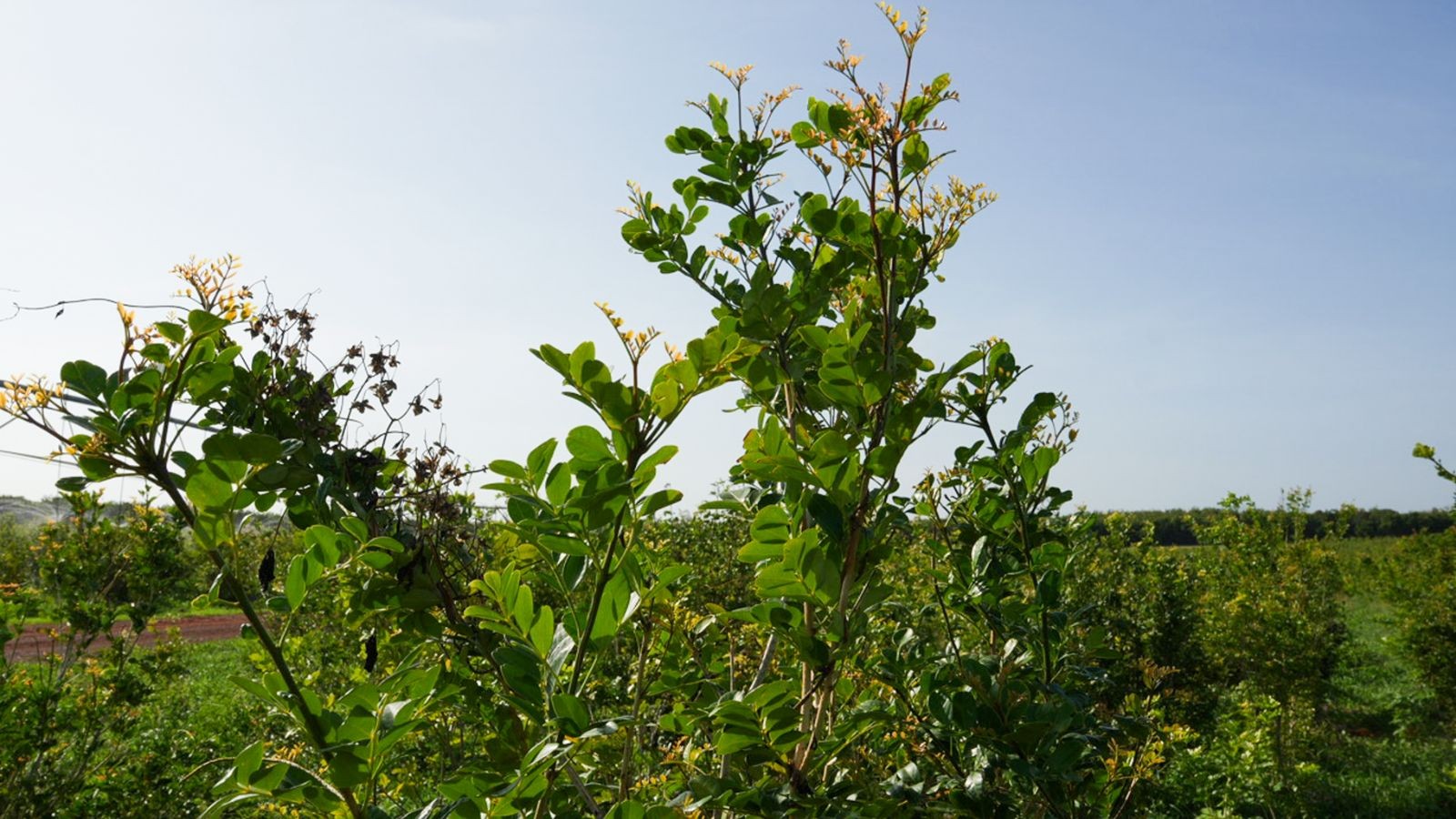
A plant cultivated in Parnaíba, located in the northern region of Piauí, Brazil, is a key ingredient in the production of glaucoma medication distributed globally. This plant, known as jaborandi, yields pilocarpine, a substance primarily used in eye drops. An industry established in Parnaíba processes the jaborandi, exporting approximately two to three tons of pilocarpine annually to around 80 countries. The domestic consumption in Brazil is minimal, with only six to seven kilograms remaining on the national market, as most pharmaceutical manufacturers are located abroad. The cultivation of jaborandi occurs across a 33-hectare area in Parnaíba. Despite jaborandi being native to the humid Amazon region, researchers have successfully adapted it to the semi-arid climate of Piauí through advanced management, irrigation, and light control techniques. Botanist Letícia Martins Silva highlighted that pilocarpine is also utilized in medications for xerostomia, or dry mouth. The farm also cultivates cordia, from which oils for muscle pain relief in ointments and gels are extracted. The United States was an early importer, and China is currently undergoing registration to begin receiving the product. Industrial manager Luciene Vasconcelos noted that since jaborandi produces pilocarpine almost exclusively in Brazil, the vast majority of the output is exported. Following harvest, the leaves are transported to the Parnaíba industrial facility for processing into pilocarpine, a procedure requiring strict controls on temperature, pressure, and solvent use to prevent impurities. The plant material residue is recycled as fertilizer. Before export, rigorous laboratory tests confirm the pilocarpine's concentration and quality. This large-scale cultivation also serves to protect native jaborandi populations, which have faced threats from unsustainable harvesting. Giovanni Bressiani Pedroso, coordinator at the Senai Institute of Green Chemistry Innovation, stated that industrial-scale farming ensures sustainable production and helps preserve the species, which was once endangered due to illegal and improper leaf extraction.
The cultivation and export of pilocarpine from Piauí highlights a successful model of agricultural adaptation and value-added processing for a critical pharmaceutical ingredient. By domesticating a plant from a different biome, Brazil has established a unique global supply chain, demonstrating the economic potential of specialized agriculture in regions with challenging climates. The significant export volume underscores the global demand for this medication and Brazil's role as a key supplier. This venture also presents a compelling case study in sustainable resource management, mitigating pressure on wild populations and contributing to species preservation. Future considerations may involve further research into diversifying pilocarpine applications or exploring other high-value botanical extracts from adapted native species, potentially strengthening Brazil's position in the global biopharmaceutical market and fostering regional economic development.
AI-generated to prompt reflection — not editorial opinion, not advice, not a statement of fact. How this works.