Piauí Political Parties Convene to Select Candidates for Upcoming Elections
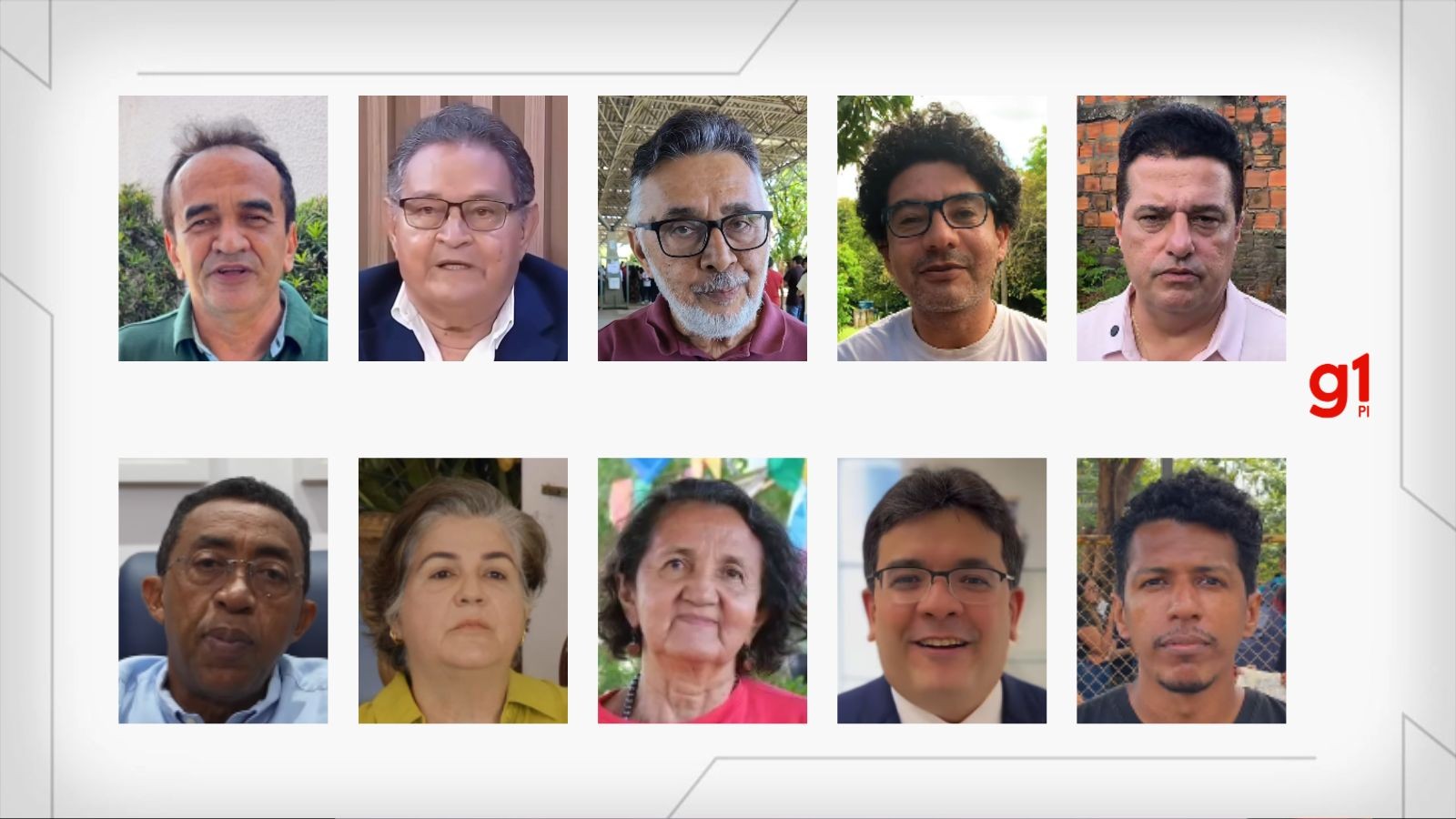
Political parties in Piauí, Brazil, have begun their conventions on Saturday, July 25th, to select candidates for the upcoming elections. A total of 11 parties will hold meetings to define nominees for governor, senator, federal deputy, and state deputy, and to form electoral slates. These conventions are crucial stages where party members confirm candidates for the electoral race. During these gatherings, eligible party members review proposed candidacies and vote on alliances. Election law specialist Alessandro Lopes clarified that participation in these internal decisions is restricted to individuals authorized by party statutes, meaning not all members or the general public can vote. The decisions are made by 'conventionals,' individuals empowered by party or federation bylaws. Each party sets its own rules for voter eligibility, candidate presentation, and slate approval. Key decisions made include selecting candidates, forming majority slates, establishing coalitions for majority elections, choosing coalition names, and designating coalition representatives to the Electoral Justice system. All resolutions must be recorded in minutes and submitted to the Electoral Justice. While the public cannot vote, they can observe the conventions, with access determined by each party's organizational format, which can be in-person, virtual, or hybrid. Parties must adhere to electoral rules, including the prohibition of explicit vote requests before the official campaign start. These conventions offer the public an early look at potential candidates, their speeches, and formed alliances, aiding in the oversight of the process and compliance with regulations like gender and racial quotas. Importantly, a convention's outcome does not guarantee a candidacy; parties must still formally apply for candidate registration with the Electoral Justice, which will verify eligibility and screen for any disqualifying factors before a candidate can officially compete.
The convention process in Piauí highlights the internal governance structures of political parties and their role in candidate selection. While these events are framed as opportunities for public observation, the actual decision-making power is concentrated among a select group of 'conventionals,' underscoring a potential disconnect between party leadership and the broader electorate. The requirement for subsequent registration with the Electoral Justice serves as an external check on party decisions, ensuring compliance with legal eligibility criteria. This multi-stage process, from internal deliberation to external validation, reflects a system designed to balance party autonomy with electoral integrity, though the effectiveness of public oversight remains contingent on party transparency and accessibility.
AI-generated to prompt reflection — not editorial opinion, not advice, not a statement of fact. How this works.