Piauí Records Over 27,000 Workplace Accidents in a Decade; MPT Warns of Underreporting
The state of Piauí, Brazil, has recorded 27,098 workplace accidents and 215 related deaths between 2016 and 2025, according to data highlighted on the National Day for the Prevention of Occupational Accidents. However, the Public Prosecutor's Office for Labor (MPT-PI) warns that these figures likely represent only a fraction of the actual incidents, citing significant underreporting as a major challenge in combating workplace occurrences and illnesses. Labor Prosecutor Maria Helena Rego stated that Piauí is among the states with the highest rates of unrecorded cases, emphasizing that accidents and occupational diseases are often preventable and not random events.
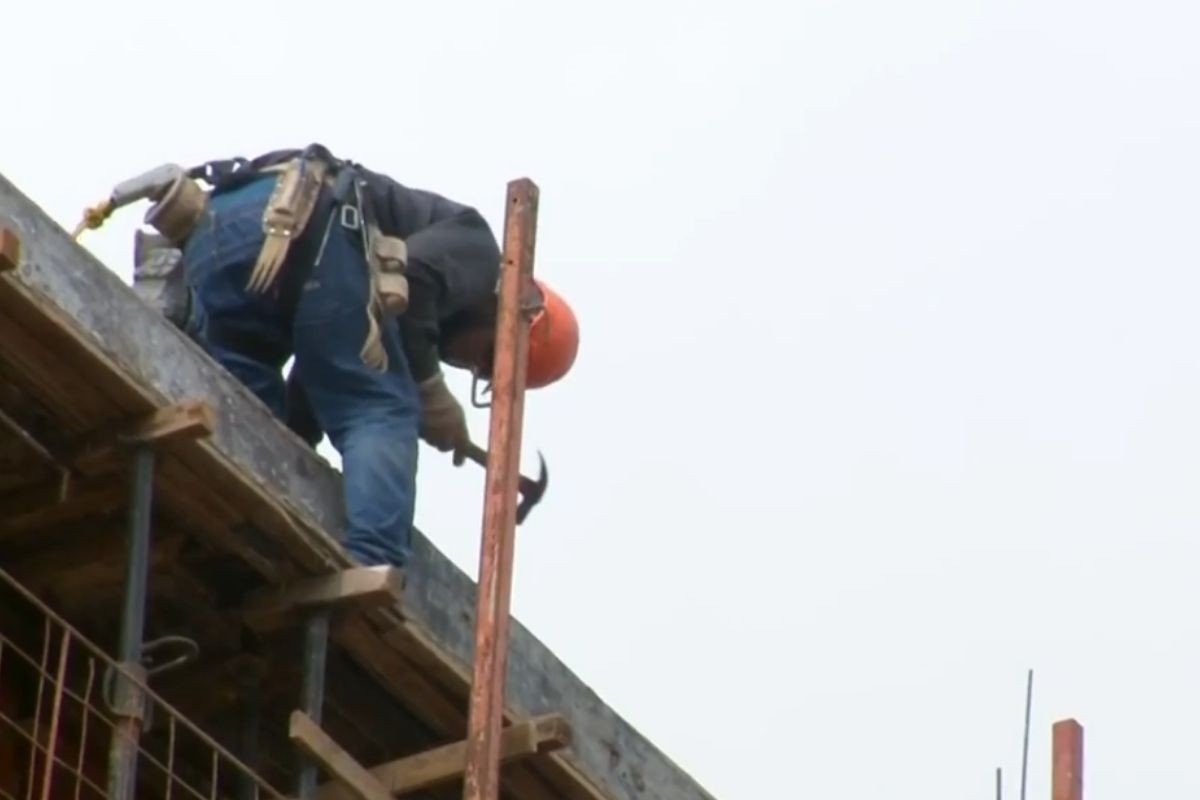
The construction industry accounts for the largest number of accidents in Piauí, with common incidents including falls from heights, being buried, and electrical accidents. Rego stressed that non-compliance with health and safety regulations, rather than a lack of individual protective equipment (EPIs), is a primary cause. She clarified that EPIs, such as helmets and boots, should be the last resort in prevention strategies, preceded by collective protection measures like engineering and administrative actions to eliminate or reduce workplace risks.
Companies with high accident rates face potential penalties, including increased social security contributions, fines from labor inspections and the MPT, and in severe cases, liability for collective moral damages. The MPT encourages workers and citizens to report unsafe conditions anonymously through its website, enabling the office to investigate and address irregularities to ensure worker safety.
The MPT's findings in Piauí highlight a critical systemic issue in occupational safety: the gap between reported and actual workplace accidents. This underreporting, particularly in sectors like construction, suggests that current reporting mechanisms and enforcement may not fully capture the scope of risks faced by workers. The emphasis on collective protective measures over individual equipment points to a need for proactive risk management by employers, rather than reactive measures. Future challenges will involve leveraging technology and data analytics to improve incident detection, incentivize comprehensive safety protocols, and ensure accountability, ultimately fostering a culture where prevention is prioritized over remediation and penalties.
AI-generated to prompt reflection — not editorial opinion, not advice, not a statement of fact. How this works.