Piauí Reports 11 Dengue Deaths and Over 14,000 Probable Cases in 2026
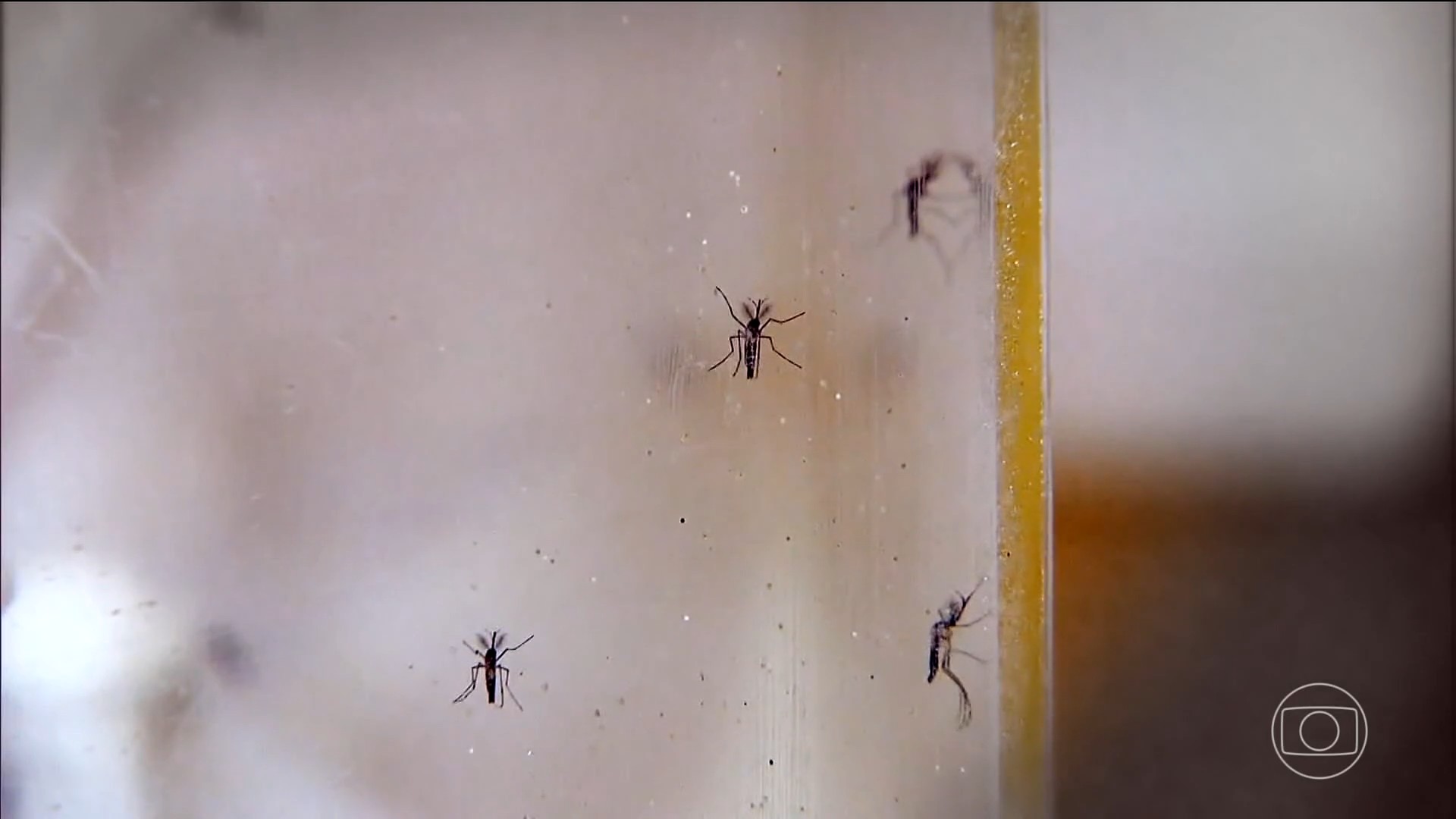
The Brazilian state of Piauí has recorded 11 confirmed deaths due to dengue fever in 2026, with an additional suspected case under investigation. As of Monday, May 13th, the state has documented 14,476 probable cases of the disease, of which 8,400 have been confirmed either clinically or through laboratory testing. While the overall lethality rate for probable cases is low at 0.08%, it significantly increases to 2.55% for patients who develop severe forms of dengue. Currently, 26 cases of severe dengue and 405 cases of dengue with alarm signs have been confirmed. The Meio Norte region is the most affected, with 7,796 probable cases, followed by Cerrado (3,981) and Semiárido (1,808). Within these regions, Entre Rios has reported 7,305 probable cases, and Serra da Capivara has reported 2,410. Women are disproportionately affected, accounting for 7,890 of the total notifications, compared to 6,560 in men. The accumulated incidence coefficient in Piauí stands at 440.13 cases per 100,000 inhabitants.
The reported dengue fever statistics in Piauí highlight a critical public health challenge, demonstrating the persistent threat posed by arboviruses in tropical and subtropical regions. The disparity in lethality between probable and severe dengue cases underscores the importance of early detection and robust healthcare infrastructure capable of managing complex medical conditions. Examining the geographical distribution and demographic impact can inform targeted public health interventions, such as vector control programs and public awareness campaigns, tailored to specific regional vulnerabilities and population groups. Looking ahead, the recurring nature of such outbreaks necessitates sustained investment in epidemiological surveillance, research into more effective vector control strategies, and potentially, the development of advanced diagnostic and therapeutic tools to mitigate the impact of dengue in the coming decade.
AI-generated to prompt reflection — not editorial opinion, not advice, not a statement of fact. How this works.