Piauí's Illiteracy Rate Drops to Lowest Since 2016, Yet Remains Second Highest Nationally
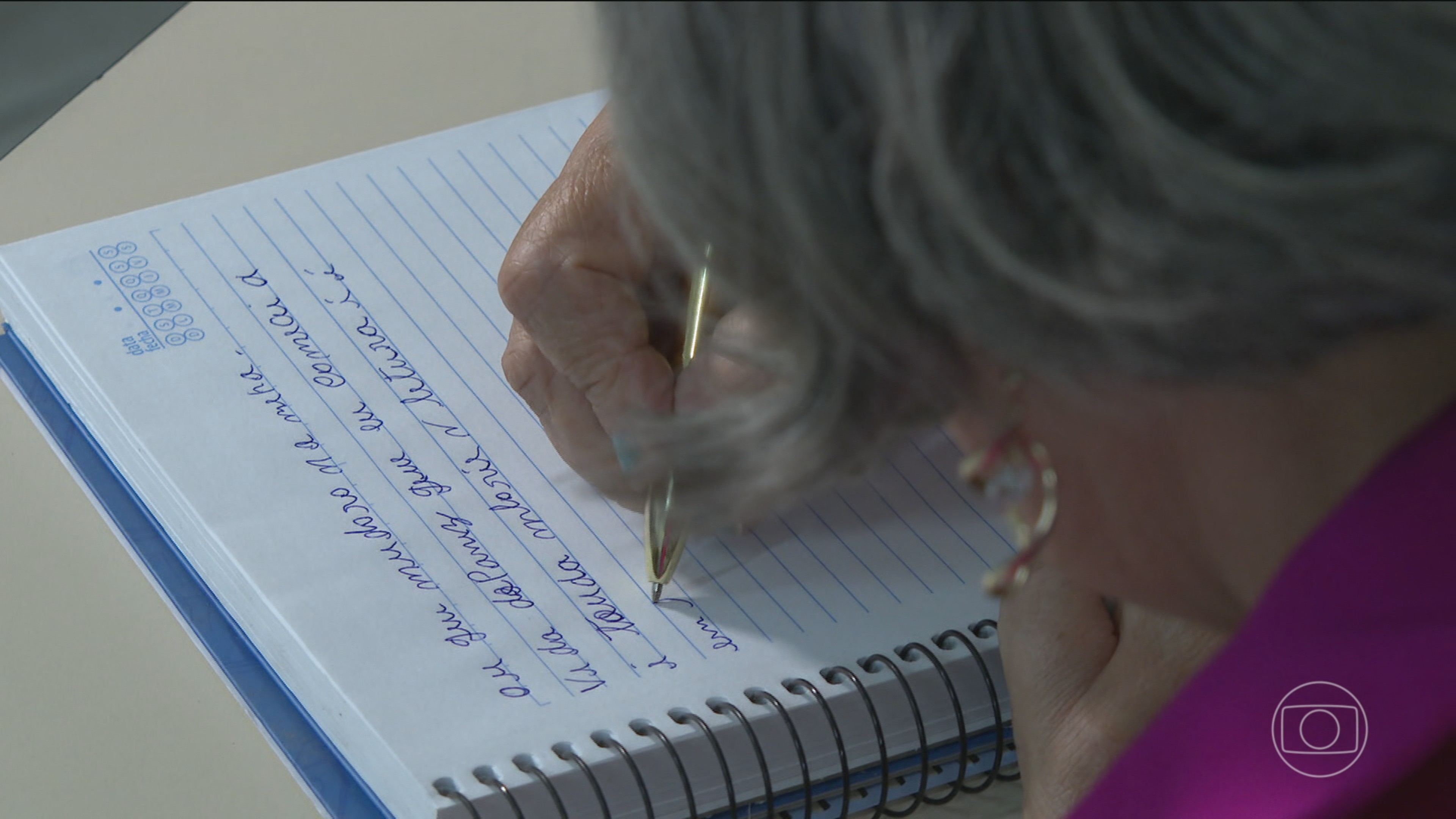
In 2025, the state of Piauí recorded an illiteracy rate of 13.1% for its population aged 15 and over, marking the lowest proportion since 2016, according to data from the Brazilian Institute of Geography and Statistics (IBGE). This represents a reduction of 3.1 percentage points over the period. Despite this progress, Piauí's illiteracy rate remains significantly above the national average of 4.9%, a gap of 8.2 percentage points. Consequently, Piauí, along with Alagoas, now holds the highest illiteracy rate in Brazil. The decline in illiteracy was observed across all age groups except for individuals aged 60 and over, where the rate reached 35.2%, the highest in the country for this demographic. Between 2024 and 2025, illiteracy decreased for both men and women in Piauí. However, the male illiteracy rate at 15% is the highest nationally, while the female rate stands at 11.3%, the second highest in Brazil after Alagoas (12.3%). In contrast, states like Santa Catarina and Rio de Janeiro report illiteracy rates below 2%.
The data from Piauí reveals a complex interplay between educational progress and persistent societal challenges. While the reduction in the overall illiteracy rate is a positive development, its continued position as one of the highest in Brazil underscores systemic issues that require sustained intervention. The disproportionate illiteracy among the elderly population (35.2%) and males (15%) suggests that targeted programs may be necessary to address specific demographic vulnerabilities. Examining the allocation of educational resources, the effectiveness of pedagogical approaches for older learners, and the socio-economic factors contributing to these disparities will be crucial for future policy development. The next decade's focus on digital literacy and lifelong learning will likely amplify the need for inclusive educational strategies that bridge these persistent gaps.
AI-generated to prompt reflection — not editorial opinion, not advice, not a statement of fact. How this works.