Piauí State: 10 Potential Candidates Emerge for Governor in 2026 Elections
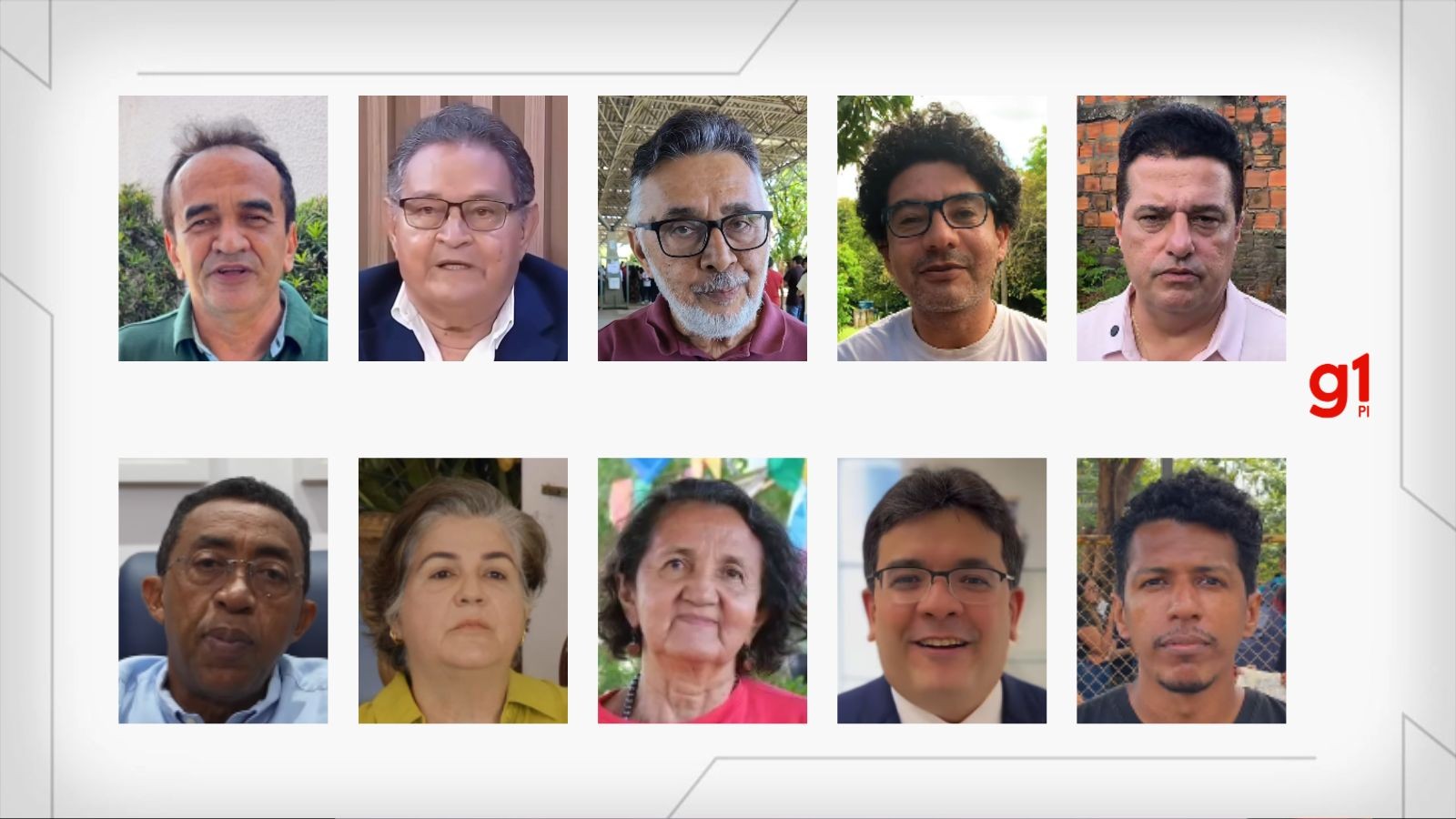
As the 2026 elections approach, ten individuals have publicly declared their intention to run for Governor of Piauí state in Brazil. This preliminary list, announced by Monday, July 20th, is subject to change as political parties have until August 5th to hold their conventions and officially nominate their candidates. The concept of pre-candidacy signifies an early expression of interest, not a guaranteed nomination.
Piauí's electorate comprises 2,698,764 eligible voters who will also select the President, two Senators, Federal Deputies, and State Deputies. The official candidate registration deadline with the Electoral Justice is August 15th, with electoral campaigning set to begin on August 16th. The first round of voting is scheduled for October 4th, and a potential second round for October 25th.
The listed pre-candidates, presented in alphabetical order, include Elizeu Aguiar (Novo), Francisco Jurity (DC), Geraldo Carvalho (PSTU), Gisvaldo Oliveira (PSOL), Gustavo Henrique (Avante), Joel Rodrigues (PP), Lúcia Santos (PSDB), Lourdes Melo (PCO), Rafael Fonteles (PT), and Santiago Belizário (UP). Notably, some potential candidates, such as Toni Rodrigues and Mainha, have withdrawn or shifted their allegiances.
The emergence of ten pre-candidates for Governor of Piauí highlights the dynamic nature of Brazilian electoral politics, where early declarations precede formal party endorsements. This period allows for coalition building and strategic maneuvering, influenced by both internal party considerations and broader national political trends. The upcoming deadlines for convention nominations and candidate registration underscore the structured process governing electoral participation. As the election cycle unfolds, voters will evaluate these pre-candidates based on their platforms, party affiliations, and past performance, navigating a landscape shaped by established political forces and emerging contenders. The process reflects a system designed to balance broad participation with the need for formalized candidacies, ultimately determining the leadership for the state over the next four years.
AI-generated to prompt reflection — not editorial opinion, not advice, not a statement of fact. How this works.