Piauí to Receive 1,100 Additional Electronic Voting Machines for Elections
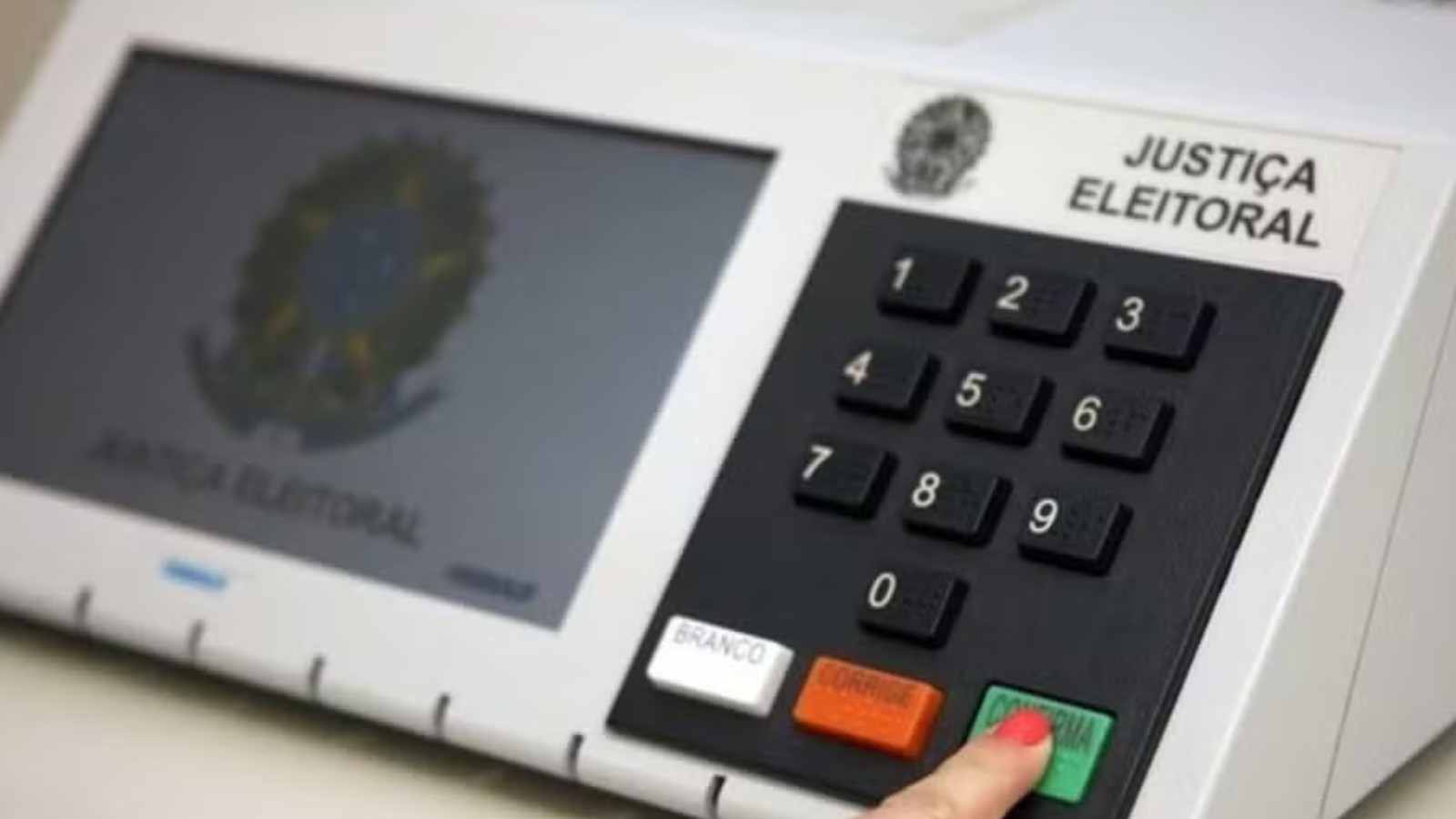
The Regional Electoral Court of Piauí (TRE-PI) has confirmed that the Superior Electoral Court (TSE) will provide approximately 1,100 additional electronic voting machines to the state. These machines are intended for use in the interior regions and aim to address a reported deficit in the current number of available voting machines for the upcoming elections. Anderson Lima, the Secretary of Information Technology at TRE-PI, explained that the state had requested these extra machines to increase its capacity for setting up polling stations. This influx is expected to help reduce the occurrence of long queues on election day. The new machines are scheduled to arrive in Piauí by early August, with transportation managed by the TSE. Upon arrival, the TRE-PI team will conduct tests and verifications before the machines are prepared for use. Previously, in May 2026, TRE-PI had indicated a deficit of 900 electronic voting machines, noting that the state currently has 10,225 machines for 11,272 polling sessions. This information was shared during a meeting in Teresina involving the president of TRE-PI, the superintendent of the Brazilian Intelligence Agency (Abin), and the commander of the Northeast Military.
The allocation of additional electronic voting machines to Piauí addresses a logistical challenge in ensuring electoral capacity and voter experience. This proactive measure by the TSE, responding to TRE-PI's request, aims to mitigate potential issues such as extended queues, thereby reinforcing public confidence in the electoral process. From a systems perspective, such adjustments highlight the ongoing need for robust electoral infrastructure planning, particularly in regions facing growth or specific logistical constraints. Ensuring equitable access to voting resources across all electoral districts remains a critical governance objective, especially as technology evolves and voter participation fluctuates. The TSE's role in redistributing resources underscores the centralized nature of electoral management in Brazil, balancing regional needs with national operational standards.
AI-generated to prompt reflection — not editorial opinion, not advice, not a statement of fact. How this works.