PICO Founder Zhou Hongwei Steps Down, Li Xiaokai Takes Over XR Business Leadership
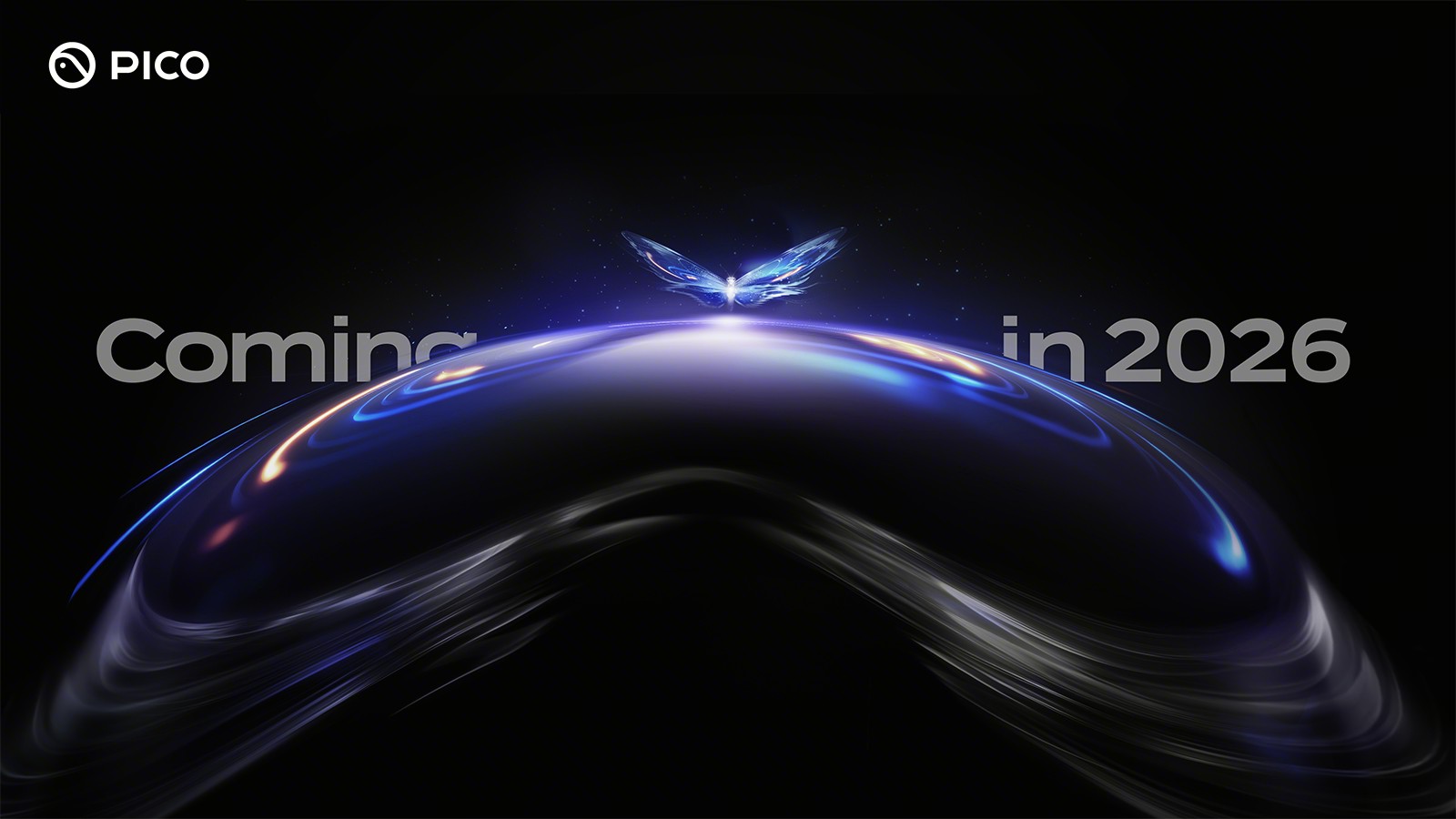
Zhou Hongwei, the founder of ByteDance's extended reality (XR) business PICO, is stepping down as its head due to personal reasons. Li Xiaokai will assume leadership of PICO, overseeing all aspects of the business. This leadership transition is not expected to alter PICO's strategic direction, ongoing research and development, or product roadmap. The company plans to launch a new mixed reality (MR) product this year.
Zhou Hongwei, who established PICO 11 years ago, is departing the company after making significant contributions to its growth. PICO has acknowledged his dedication and thanked him for his long-term commitment. Li Xiaokai brings extensive experience in consumer electronics and hardware product development and management. Since joining PICO in 2021, he has been instrumental in developing core products and technologies, leading the advancement of MR and cutting-edge product research, and enhancing PICO's capabilities in areas like optical displays, chips, sensing, and system architecture. ByteDance has reaffirmed its commitment to the long-term value of XR and will continue to support PICO's technological innovation and product development.
The leadership change at PICO signifies a strategic pivot towards next-generation MR devices, moving beyond traditional VR gaming. This transition, occurring as PICO prepares to launch its "Project Swan" MR headset, suggests a focus on spatial computing and broader applications like productivity and content consumption, aligning with industry trends and ByteDance's long-term XR investment strategy. The emphasis on self-developed chips and advanced display technologies indicates an effort to build proprietary technological advantages in a competitive market. PICO's continued leadership in China's consumer VR market, despite global competition from players like Meta, highlights its established presence. The move to MR also positions PICO to capitalize on the evolving XR landscape, where devices are increasingly differentiating into VR, MR, and AI glasses categories, aiming to capture new user experiences and market segments.
AI-generated to prompt reflection — not editorial opinion, not advice, not a statement of fact. How this works.