Pierpaolo Piccioli Debuts First Balenciaga Couture Collection with Distinctive Style
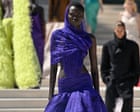
Italian designer Pierpaolo Piccioli has presented his inaugural haute couture collection for Balenciaga, infusing the storied fashion house with his signature vibrant aesthetic. Piccioli, who previously spent 25 years at Valentino, approached this significant debut with considerable care. His creative process, spanning nine months, drew inspiration from a diverse range of sources. These included archival Balenciaga designs from 1961, Spanish Golden Age art featuring figures like Zurbarán's saints and Velázquez's "infantas," and even monumental sculptures such as Barbara Hepworth's pierced megaliths. This eclectic mix of influences suggests a collection that blends historical reverence with Piccioli's personal artistic vision. The house of Balenciaga has a long-standing tradition of taking haute couture with utmost seriousness, a sentiment echoed by its founder, Cristóbal Balenciaga. In 1968, Balenciaga famously closed his brand and retired, expressing dismay at the rise of mass-produced clothing, stating, "high fashion is mortally wounded." Piccioli's conscientious approach to his first Balenciaga couture collection acknowledges this profound legacy.
Pierpaolo Piccioli's debut collection for Balenciaga marks a significant moment in haute couture, blending the brand's historical gravitas with the designer's distinct creative voice. The integration of diverse inspirations, from archival pieces to Spanish art and sculpture, suggests a strategic effort to reinterpret Balenciaga's legacy for a contemporary audience. This approach navigates the inherent tension between preserving a house's heritage and introducing a fresh artistic perspective, a common challenge in legacy luxury brands. The collection's success will likely hinge on its ability to resonate with both established clientele and a new generation of fashion consumers, while also reflecting the evolving landscape of luxury goods in an era increasingly influenced by digital platforms and global cultural exchange.
AI-generated to prompt reflection — not editorial opinion, not advice, not a statement of fact. How this works.