Pigeon droppings in Rio Branco spark health concerns among merchants
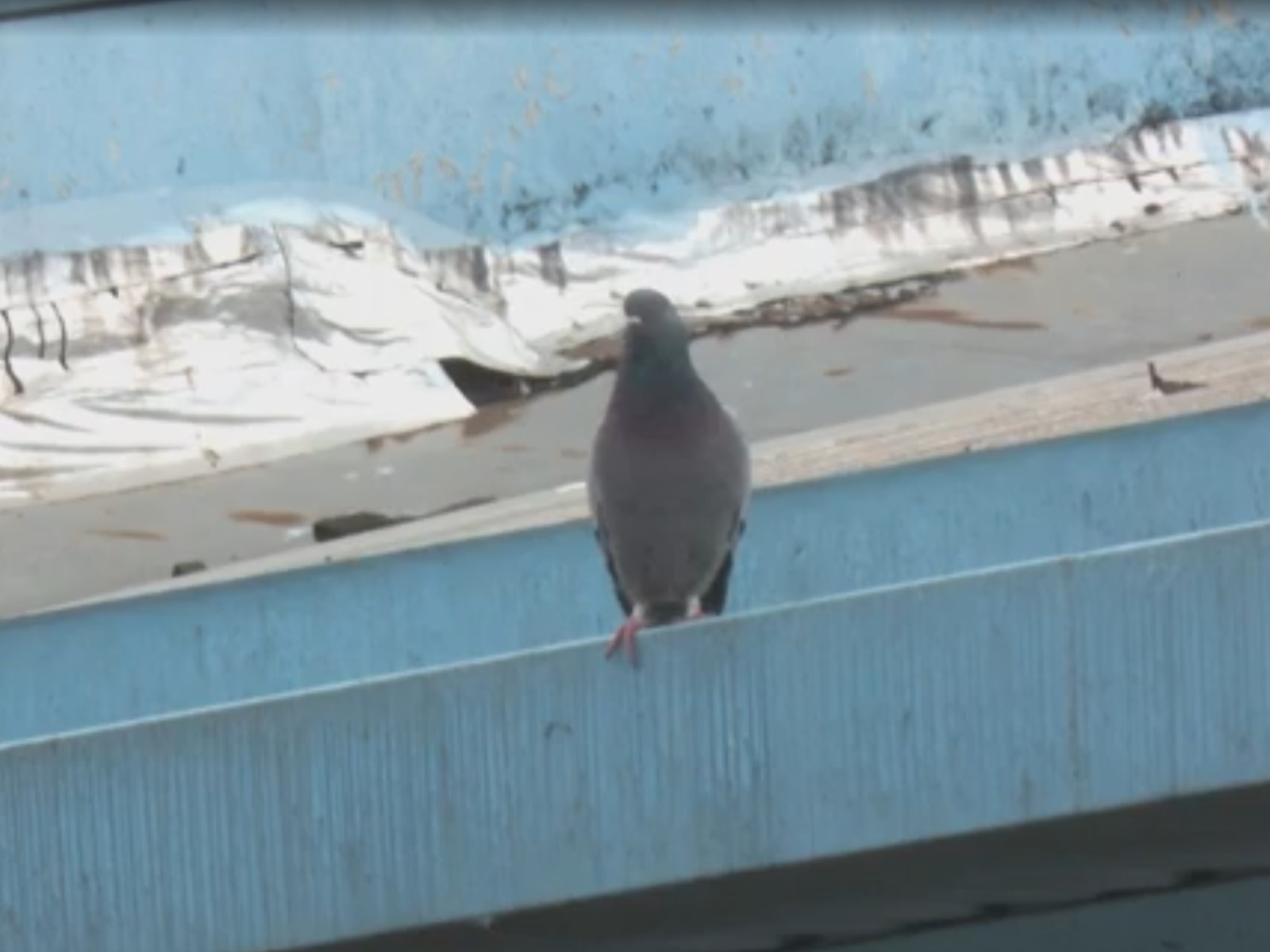
Merchants in Rio Branco, Acre, are expressing significant concern over the growing presence of pigeons in public spaces, including markets and squares. The accumulation of pigeon droppings poses a health risk, as dried feces can harbor fungi that cause diseases like cryptococcosis, also known as "pigeon disease," and histoplasmosis, a lung infection. Contamination typically occurs when dried droppings are disturbed improperly. One merchant at the Mercado da Seis de Agosto reported that a large pigeon population had driven away customers, but the situation improved after protective screens were installed to prevent the birds from entering. Another merchant, selling snacks near a public library, struggles with pigeons interfering with her work and worrying customers, despite efforts to maintain cleanliness. She has tried deterrents like owl figurines and avoiding feeding the birds, but without success. Cryptococcosis symptoms can include cough, chest pain, headaches, dizziness, and vomiting, potentially progressing to severe neurological issues. Histoplasmosis may be asymptomatic or mimic mild pneumonia, but can become severe in immunocompromised individuals. The Municipal Health Secretariat (Semsa) advises against direct contact with droppings and recommends moistening areas before cleaning to prevent airborne fungal particles. They also suggest using protective gear like gloves and masks. Health officials conduct orientation visits to locations with high bird concentrations, emphasizing the importance of not feeding pigeons and proper cleaning methods. In November 2023, a 49-year-old shop attendant, Sandra Silveira Bezerra, died in Rio Branco from complications including fungal meningitis and pneumonia, believed to be linked to cryptococcosis due to pigeon presence near her workplace. Her daughter suspected the illness was related to the birds, a concern that was only confirmed after her death.
The proliferation of pigeons in urban environments like Rio Branco presents a recurring public health challenge, primarily stemming from the transmission of fungal pathogens through dried droppings. This situation highlights a systemic issue where urban development and public space management may not adequately account for the ecological impact of wildlife, leading to potential health risks for residents and workers. The economic impact on local businesses, as evidenced by customer avoidance, underscores the need for integrated solutions that balance public health, environmental sustainability, and economic viability. Future urban planning should consider proactive measures, such as architectural design that deters bird nesting and droppings accumulation, alongside community education on safe cleaning practices and the risks associated with feeding urban wildlife. Addressing this requires collaboration between municipal health departments, environmental agencies, and business communities to implement effective and sustainable control strategies.
AI-generated to prompt reflection — not editorial opinion, not advice, not a statement of fact. How this works.