Piglet Born Without Eyes and With Mouth Malformation Dies in Piauí
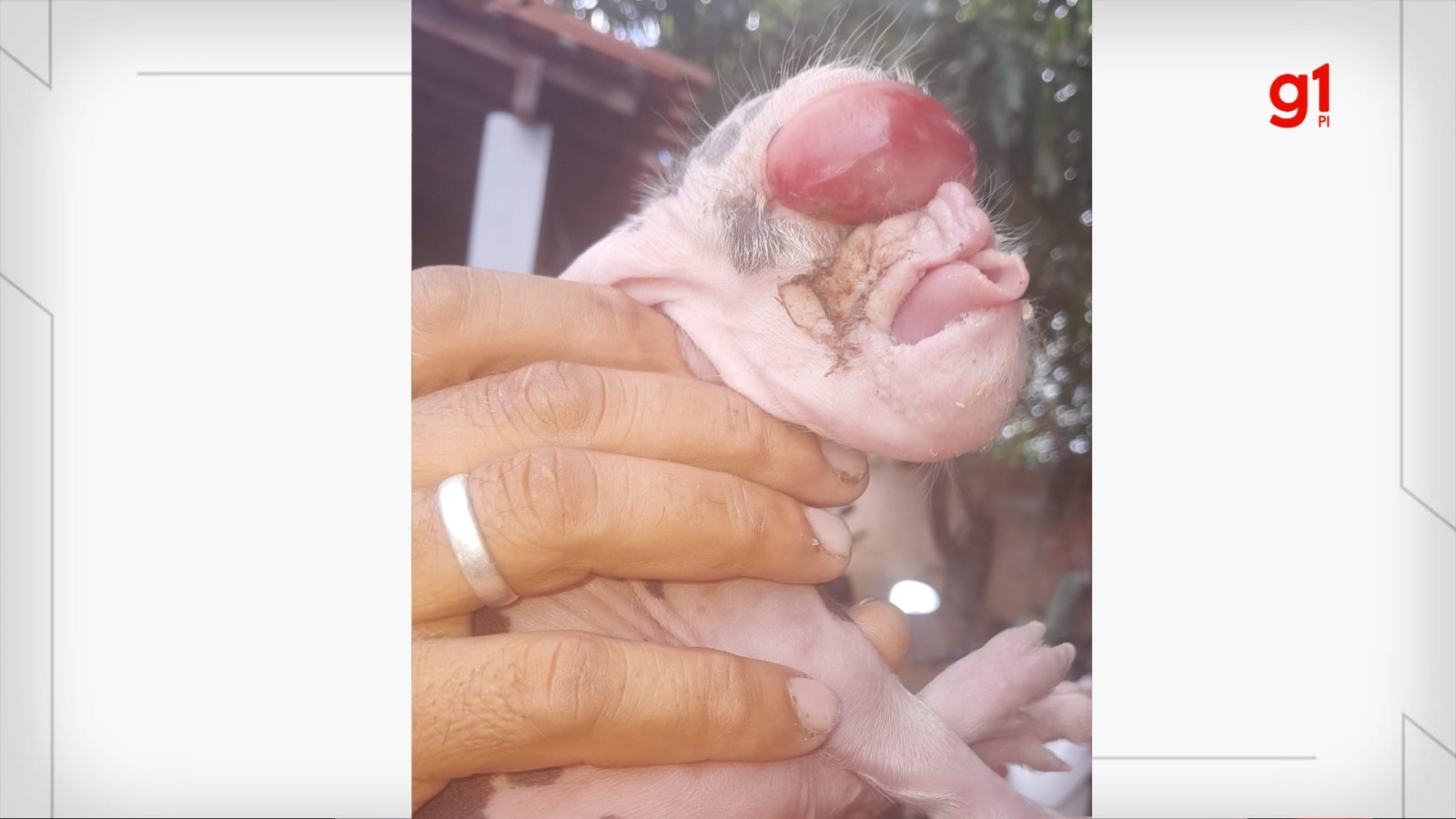
A piglet born with severe deformities, including the absence of eyes and an abnormal mouth structure, died two days after its birth in Piripiri, located in the northern region of Piauí, Brazil. The piglet, named Frederico, was the 13th offspring from a typically healthy sow that had previously delivered litters of around 10 piglets without any complications. This marked the first instance of a deformed offspring for the producer. Despite its condition, Frederico survived for over 24 hours and received dedicated care from the family. He was able to feed with assistance, receiving milk from a bottle, but struggled and was weaker than his siblings. To prevent injury from other piglets, Frederico was kept separate. A veterinarian explained that the piglet's condition was a congenital alteration, an anomaly developed during the embryonic stage. Such anomalies can stem from various factors, including genetic causes, exposure of the mother to infectious agents, medications, toxic substances, or other interferences during gestation. The veterinarian emphasized that pinpointing the exact cause would require detailed investigation and specific examinations.
The birth of a piglet with congenital deformities highlights the complex interplay of genetic and environmental factors during embryonic development. While the specific cause remains undetermined without further investigation, such occurrences underscore the importance of monitoring maternal health and environmental exposures during gestation in livestock breeding. Understanding the incidence and potential triggers for these anomalies can inform best practices in animal husbandry and veterinary care, aiming to minimize such outcomes and ensure animal welfare. Future advancements in genetic screening and environmental monitoring may offer more proactive approaches to identifying and mitigating risks associated with congenital defects in agricultural settings.
AI-generated to prompt reflection — not editorial opinion, not advice, not a statement of fact. How this works.