Pilates Instructor: 'We are architects of our lives; happiness depends on physical well-being'
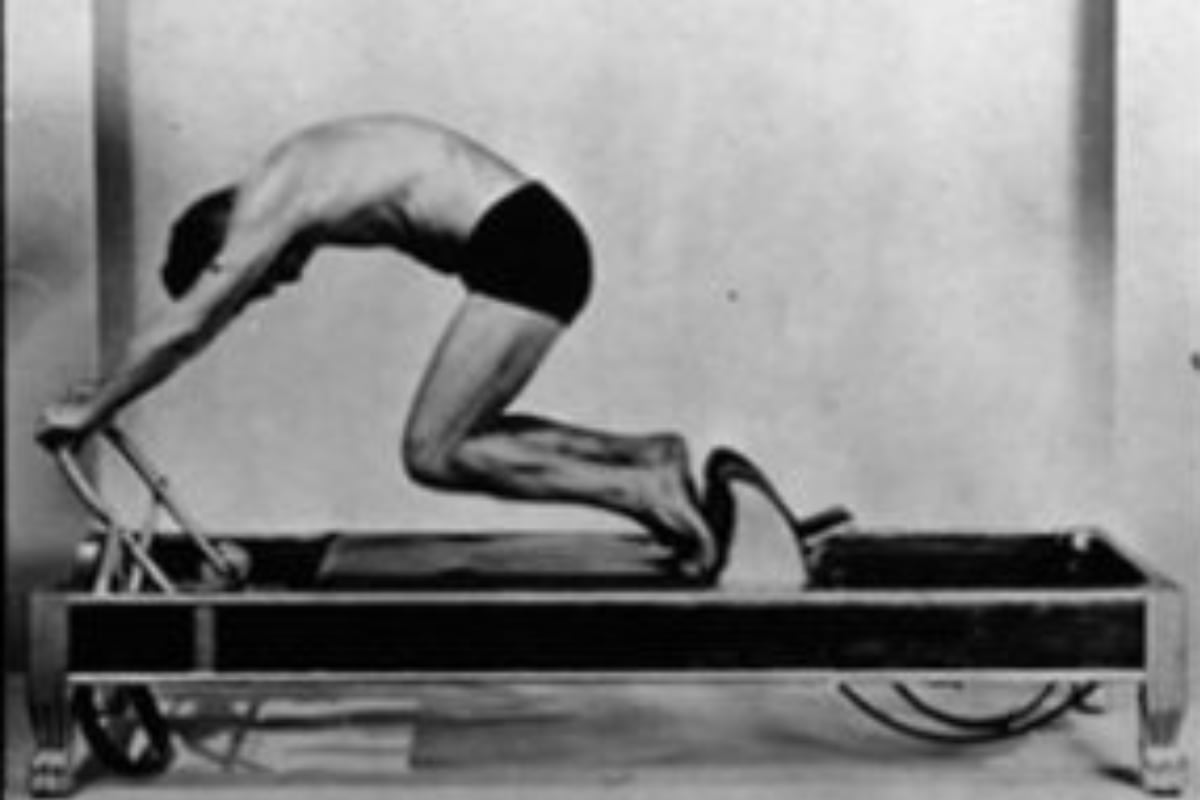
Melani Giommetti, an instructor of the Pilates method, stated that the practice is beneficial for consciously strengthening muscles over the long term. She emphasized the core philosophy attributed to Joseph Pilates, the method's creator, who believed individuals are the architects of their own lives. According to Pilates, happiness is fundamentally linked to physical well-being, surpassing the importance of social or economic status. Giommetti highlighted that the conscious engagement with one's body during Pilates contributes to this foundational aspect of a fulfilling life. The training technique focuses on controlled movements and breathwork to improve posture, flexibility, and core strength. Its long-term benefits extend beyond physical health, potentially impacting mental clarity and overall quality of life. The method's emphasis on mindful movement aims to foster a deeper connection between the mind and body.
The Pilates method, as described, posits a direct correlation between physical health and overall happiness, suggesting that individual agency in cultivating physical well-being is paramount. This perspective challenges conventional societal metrics of success, such as social standing or wealth, by prioritizing internal physical condition. From a systems perspective, this emphasis on self-directed physical improvement could be viewed as a strategy for enhancing individual resilience and agency in the face of external socioeconomic pressures. In the context of the coming decade, where mental and physical health are increasingly recognized as critical components of societal well-being, such holistic approaches to personal development may gain further traction as individuals seek to optimize their capacity for adaptation and fulfillment.
AI-generated to prompt reflection — not editorial opinion, not advice, not a statement of fact. How this works.