Pilbara Miners Set to Strike After 40 Years Due to BHP Pay Dispute
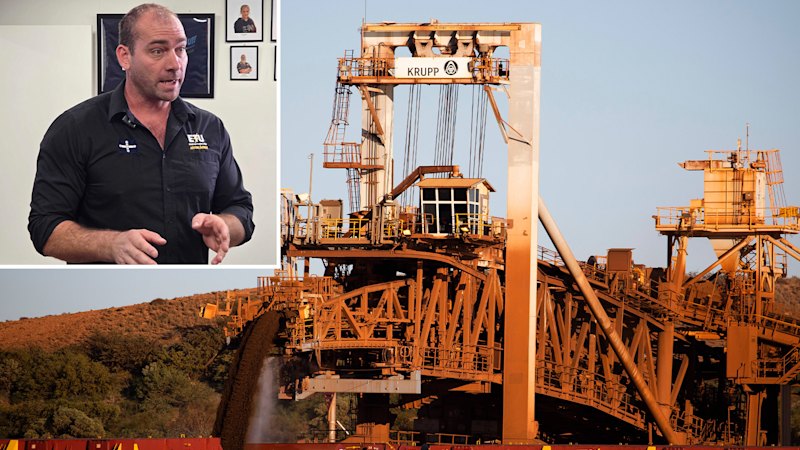
Unions representing workers in Australia's Pilbara region have announced plans for a strike, marking the first industrial action in four decades. The decision comes after negotiations with mining giant BHP over pay and conditions reportedly reached an impasse. Union representatives stated that their hand was forced by what they described as BHP's 'US-style' stonewalling tactics during the pay deal discussions.
This dispute highlights significant tension between the mining company and its workforce regarding compensation and negotiation strategies. The miners are seeking a new pay agreement, and the unions are asserting that BHP's approach has left them with no alternative but to resort to industrial action. The potential strike action could disrupt operations in the resource-rich Pilbara region, which is a critical hub for Australia's mining industry.
The impending strike in the Pilbara signals a potential breakdown in labor-management relations, driven by differing negotiation strategies. The characterization of BHP's tactics as 'US-style stonewalling' suggests a divergence in expectations regarding collective bargaining processes. From a systemic perspective, such disputes often arise from imbalances in bargaining power and differing interpretations of fair compensation in high-profit industries. This event may prompt a broader examination of labor laws and negotiation frameworks in Australia's critical resource sector, particularly in light of global economic shifts and the increasing automation within mining operations. The long-term implications could involve revised negotiation protocols or shifts in workforce sentiment towards industrial relations.
AI-generated to prompt reflection — not editorial opinion, not advice, not a statement of fact. How this works.