Pilot Arrested After Cocena-Laden Plane Crash Lands, Burns Evidence
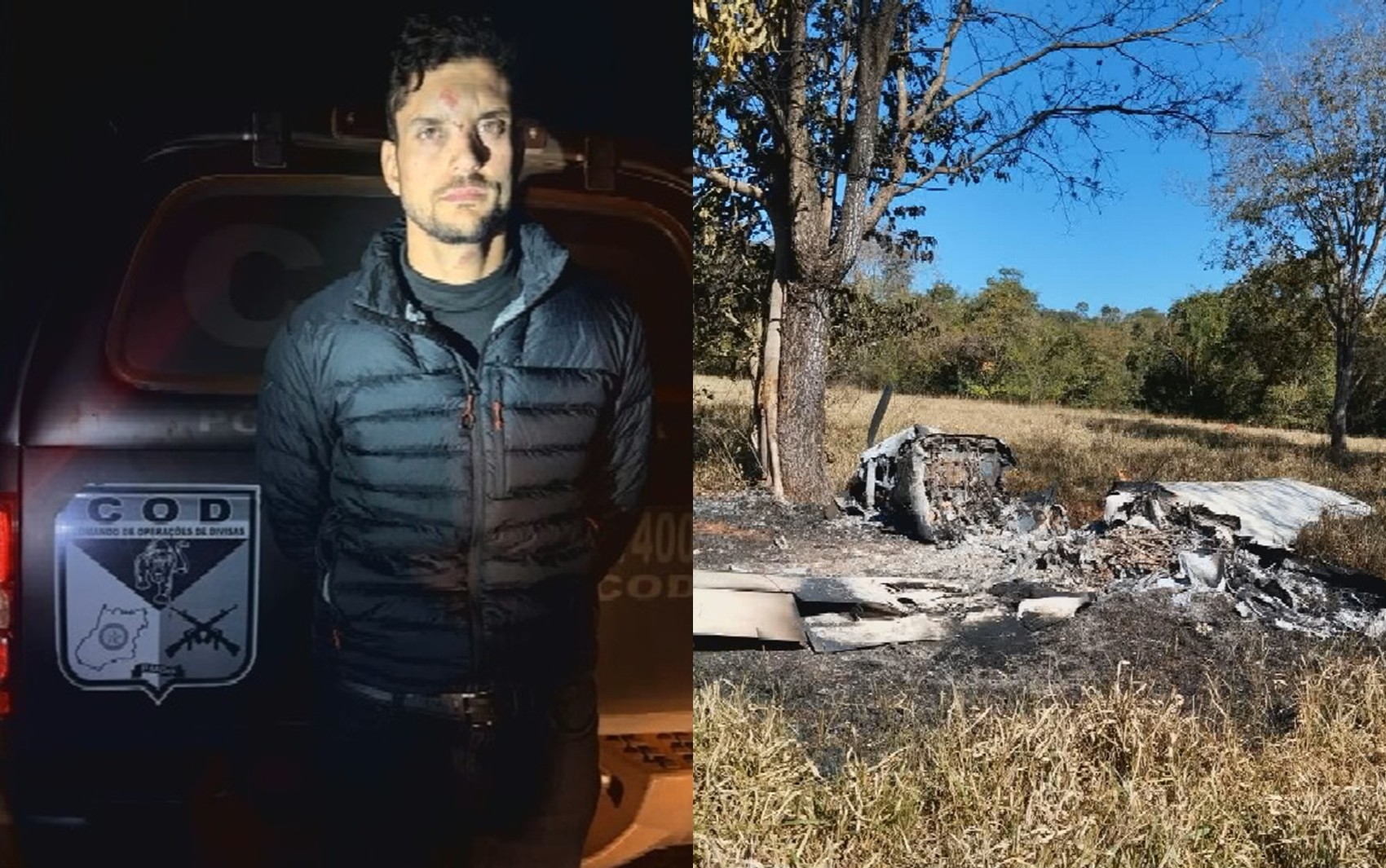
A 32-year-old pilot, Henrique Donizeti Ferri, was arrested in Itarumã, Goiás, Brazil, after making an emergency landing with a plane carrying approximately 300 kilograms of cocaine. The incident occurred during a flight from Mato Grosso, near Bolivia, to Frutal, Minas Gerais, when the aircraft experienced mechanical failure. Upon landing in a rural area, Ferri allegedly instructed farmhands to unload and hide the cocaine, which was later found by police in the surrounding wilderness. He then set fire to the monomotor aircraft in an apparent attempt to destroy evidence, a move noted by the judge for its effectiveness in obliterating identifying marks and flight data. Ferri, who claims to be an autonomous entrepreneur with a monthly income of R$12,000 and no prior criminal record, stated he was hired for three drug-smuggling trips, receiving R$70,000 per journey. The judge highlighted evidence of a sophisticated logistical operation, including pre-mapped routes, alternative landing strips with detailed navigation references, a satellite phone for communication in remote areas, and a mobilizable ground support network. Despite Ferri's claims of being a first-time offender, the judge cited his statements and the discovered notes of various airstrips as indicators of involvement in a structured, ongoing drug trafficking operation rather than an isolated incident. Ferri was apprehended the following morning after a police search, having evaded capture for nearly a day in a wooded area. His escape plan involved a satellite phone to coordinate with his father, wife, and a friend, who were waiting in a Ford Ka on a dirt road to assist his flight. The trio was also taken to the Federal Police station, though their detention status was not immediately clear.
The incident reveals the complex logistical networks employed in drug trafficking, utilizing private aviation and sophisticated communication tools to circumvent law enforcement. The pilot's actions, including attempting to destroy the aircraft and its data, suggest an awareness of the severe legal consequences and an effort to disrupt the investigation into the broader criminal organization. The judge's assessment points to a well-established operational structure, indicating that individuals like Ferri may serve as specialized technical links within a larger, persistent enterprise. This case underscores the ongoing challenge of interdicting illicit flows that leverage advanced technology and strategic planning, prompting a need for continuous adaptation in interdiction strategies and intelligence gathering to dismantle these organized networks.
AI-generated to prompt reflection — not editorial opinion, not advice, not a statement of fact. How this works.