Pilot Dies in Mogi Mirim Plane Crash, Investigation Underway
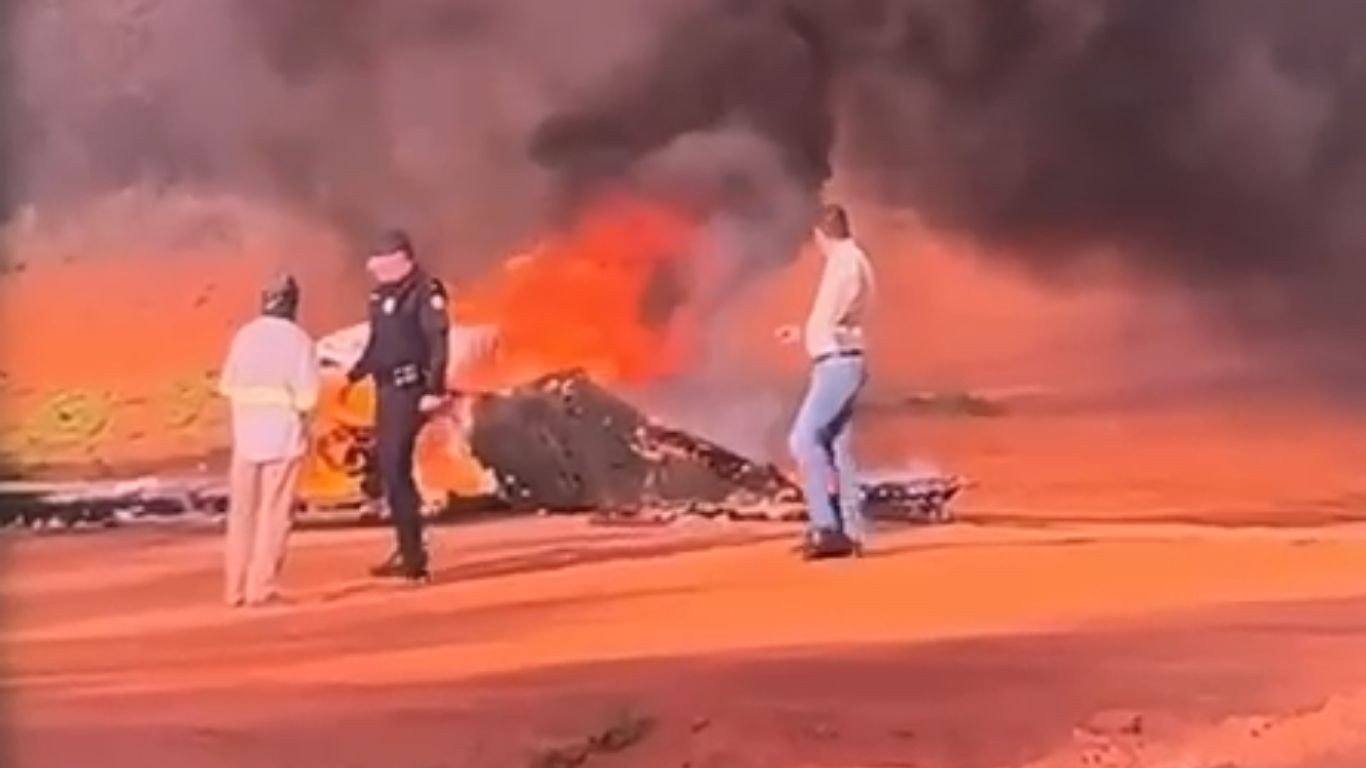
A 25-year-old pilot, identified as Leonardo Bezerra Pinheiro, tragically died on Wednesday afternoon, July 29th, when his small aircraft crashed in Mogi Mirim, São Paulo. Pinheiro served as the safety manager for the Sport Pilot aviation school. Gerson Martinez, the school's owner, confirmed the details, stating that Pinheiro had been with the company for two years. According to Martinez, the aircraft was refueled with slightly more fuel than necessary for a local flight shortly before takeoff. The individual who refueled the plane reported that Pinheiro appeared to lose control shortly after takeoff, leading to an abnormal flight condition and the subsequent accident. Martinez speculated that the extra fuel might have been added for safety, potentially to allow for a go-around or diversion to another airport, possibly due to weather concerns. The school asserts that all documentation for the school, the pilot, and the aircraft were up-to-date and in compliance with flight regulations. The Brazilian Air Force (FAB) has dispatched investigators from the Fourth Regional Service of Investigation and Prevention of Aeronautical Accidents (SERIPA IV) to the crash site. The investigation, led by the Center for Investigation and Prevention of Aeronautical Accidents (Cenipa), will focus on collecting data, verifying damages, and identifying contributing factors to the accident. The crash occurred around 4 PM on Rodovia Luiz Gonzaga de Amoedo Campos in a rural area of Mogi Mirim. The aircraft caught fire upon impact, and the pilot was reportedly burned beyond recognition. Firefighters were on the scene to extinguish the flames.
The tragic loss of Leonardo Bezerra Pinheiro highlights critical safety considerations within aviation training environments. While the Sport Pilot school asserts full compliance, the circumstances surrounding the refueling and the reported loss of control warrant thorough investigation by Cenipa. Understanding the precise reasons for the additional fuel load and any potential impact on aircraft performance or pilot decision-making is paramount. Future safety recommendations should scrutinize procedures for fuel management, especially in relation to weather conditions and pilot workload, to mitigate risks and prevent similar incidents in the evolving landscape of aviation operations.
AI-generated to prompt reflection — not editorial opinion, not advice, not a statement of fact. How this works.