Pilot Held in Custody After Cocaine-Laden Plane Crash-Lands in Brazil
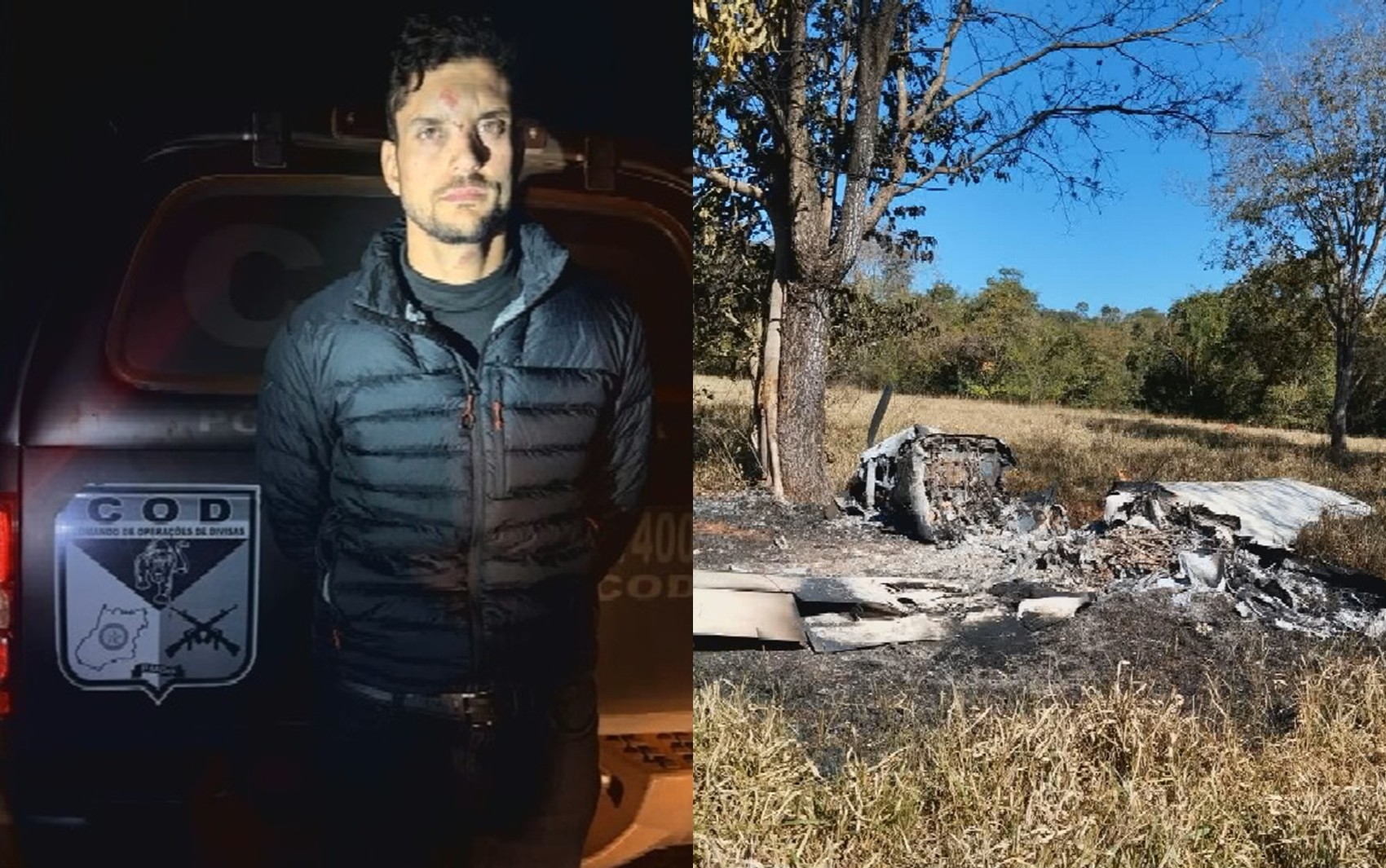
A 32-year-old pilot, Henrique Donizeti Ferri, has been ordered to remain in custody following a forced landing of a plane carrying 343 kg of cocaine in rural Itarumã, Goiás, Brazil. The court decided to maintain his detention to ensure public order, facilitate the criminal investigation, and prevent flight. Ferri's lawyer, Luís Henrique Viana dos Reis, stated that his client is a first-time offender with no prior criminal record and works as a self-employed individual, intending to seek provisional release. The prosecution alleges Ferri acted as a "drug mule," a term for individuals transporting narcotics. The pilot was apprehended on Thursday, May 16th, after police located his father, wife, and a friend near the crash site, who were allegedly assisting him in his escape. According to Colonel Heber Souza Bastos of the Military Police, the group planned to signal Ferri with car headlights to guide him out of hiding. The forced landing occurred on Wednesday, May 5th, due to a mechanical failure. Following the landing, Ferri reportedly set fire to the aircraft after removing the cocaine, which he then hid in the nearby woods, in an apparent attempt to destroy evidence. Police found a fuel can near the wreckage. A farm worker reported being intimidated by Ferri to help conceal the drugs and destroy his mobile phone. Ferri allegedly told authorities he was hired to make three drug transport trips, with this flight being the third. The journey originated near the Bolivia-Mato Grosso border, where the cocaine was loaded, and was destined for Frutal, Minas Gerais. He was reportedly contracted by the aircraft's owner and was to receive R$70,000 per trip.
This event highlights the complex logistical networks involved in drug trafficking, where individuals are employed for specific roles within a larger operation. The pilot's actions, including setting fire to the aircraft, suggest an attempt to mitigate evidence and potentially protect higher-level actors in the chain of command. The legal system's decision to detain the pilot, citing public order and flight risk, reflects standard procedures for such cases. Future investigations will likely focus on identifying the owner of the aircraft and the intended recipients of the cocaine, as well as the broader network responsible for sourcing the drugs from regions near Bolivia. The economic incentives, such as the reported R$70,000 per trip, underscore the financial drivers behind participation in these illicit activities, suggesting that addressing the demand side and dismantling the financial structures of drug cartels are crucial for long-term impact.
AI-generated to prompt reflection — not editorial opinion, not advice, not a statement of fact. How this works.