Pilot Lito Sousa's Prostate Cancer Led to Brain Inflammation Diagnosis
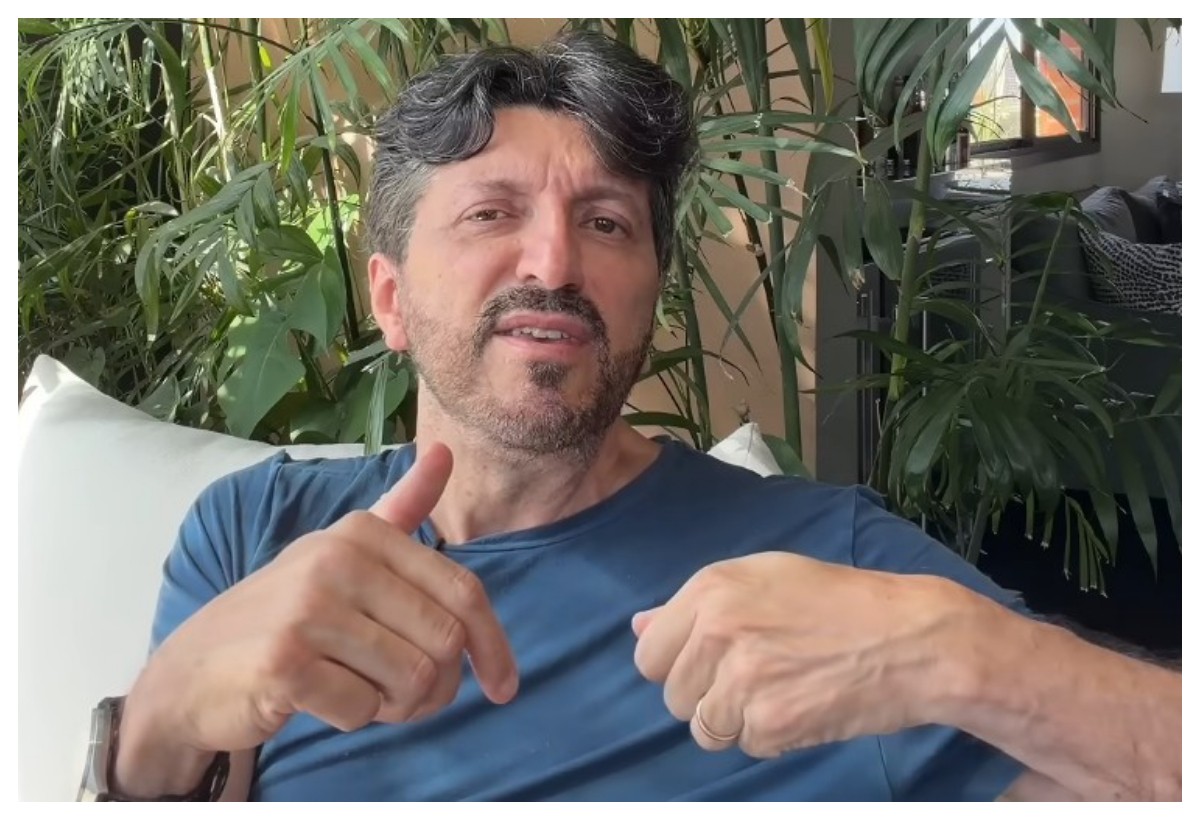
YouTuber Lito Sousa, known for his "Aviões e Músicas" channel, shared his health journey in a recent video, detailing how a prostate cancer diagnosis led to the discovery of a severe brain inflammation. Sousa was diagnosed with prostate cancer in late July and subsequently hospitalized for treatment of the nervous system inflammation. This condition significantly impacted his mobility, causing him to lose the use of his left arm and experience a 7kg weight loss in just 15 days, necessitating a rehabilitation period. He noticed an unusual numbness in his left arm during his prostate cancer treatment. This symptom worsened during a flight to the United States, forcing an early return to Brazil for further investigation. Initially, a spinal column compression was suspected, but it didn't fully explain the loss of motor coordination. After receiving a cortisone injection before his flight, Sousa experienced severe difficulties during the journey, arriving in Sao Paulo noticeably impaired. His wife immediately recognized the severity of his condition. Upon returning to Brazil, he was admitted to Hospital Albert Einstein, where neurologists conducted extensive tests, including analyzing cerebrospinal fluid, to rule out various conditions, including autoimmune diseases. The tests revealed significant inflammation on the right side of his brain. Sousa received high doses of cortisone and immunoglobulin therapy to manage the immune response. He emphasized that while the initial focus was prostate cancer, the neurological issue became the more urgent concern. Recovery of motor function is expected to be a lengthy process involving extensive physical therapy, occupational therapy, and exercise. Sousa also stressed the importance of prostate cancer prevention, highlighting that early detection through routine PSA tests and rectal exams can save lives, with a survival rate exceeding 99% when detected before spreading. He urged men to overcome any embarrassment or prejudice and undergo regular urological check-ups.
This narrative highlights a critical intersection of early cancer detection and emergent neurological complications. The case underscores the importance of comprehensive diagnostic follow-through when initial symptoms are ambiguous or evolve unexpectedly during treatment for a primary condition. From a public health perspective, Sousa's experience serves as a potent reminder of the efficacy of preventative screenings for prostate cancer, particularly for men over 50, emphasizing that early diagnosis is directly correlated with significantly improved survival rates and quality of life. The neurological inflammation, while a severe and urgent complication, also points to the complex interplay between the body's immune system, cancer treatments, and neurological pathways. Future medical research may benefit from exploring the specific mechanisms that link prostate cancer or its treatments to such inflammatory neurological responses, potentially leading to more targeted preventative or therapeutic strategies. This case also illustrates how patient advocacy and open communication about health experiences can powerfully influence public awareness and encourage proactive health behaviors.
AI-generated to prompt reflection — not editorial opinion, not advice, not a statement of fact. How this works.
