Pilot Reports 'Sensational' Lights in Paraná Sky, Speculation Arises
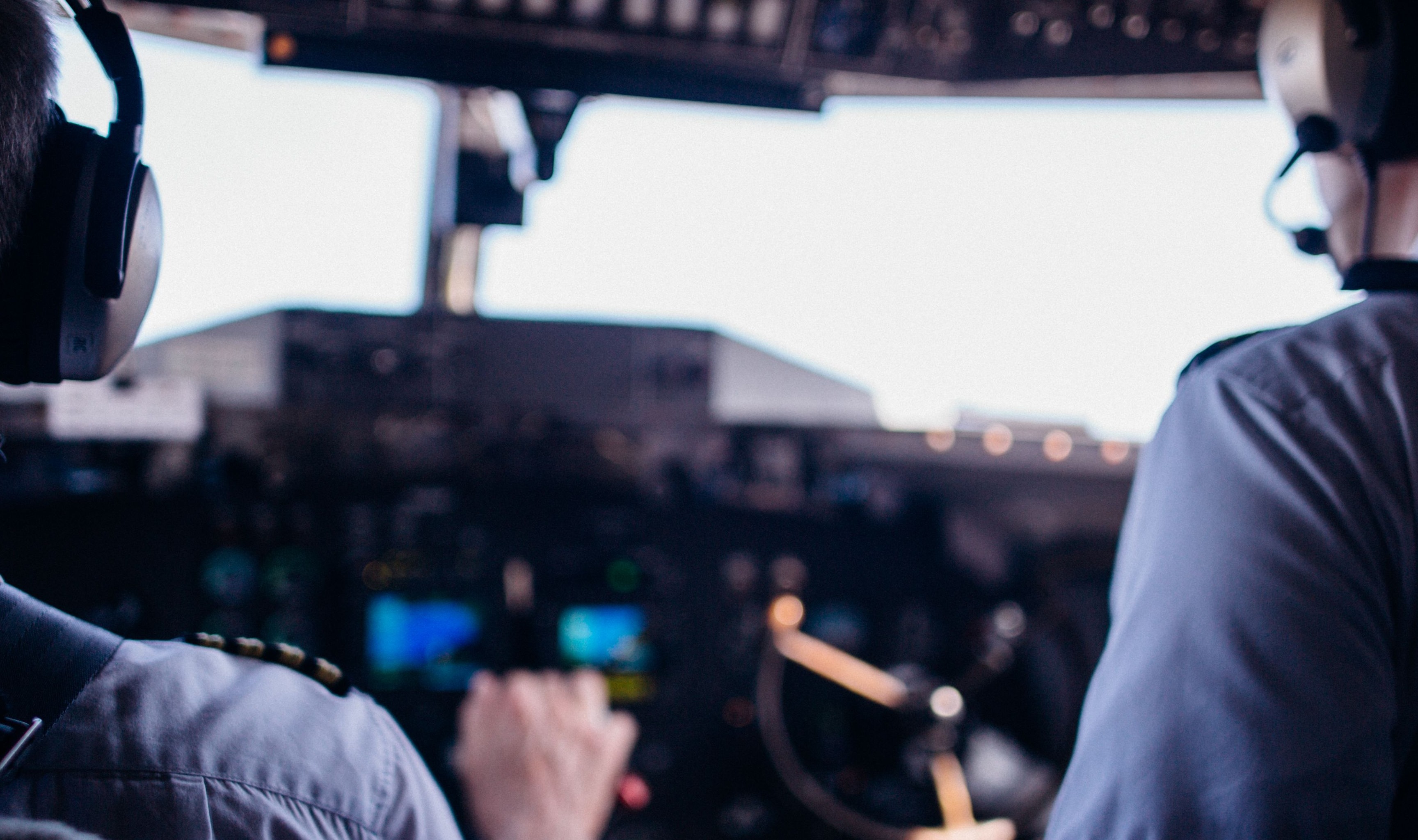
A pilot flying a private aircraft over Paraná, Brazil, reported sighting unusual, intensely bright lights in the sky on Monday night, November 13th. He communicated his observations to the Londrina Approach Control, describing the lights as "very strong" and "sensational," and noting that he and his co-pilot felt "chills" while watching them. The pilot indicated the lights were to the west and asked if other pilots had reported similar sightings, expressing disbelief at their rapid, circular movements. He described seeing two such lights near a more distant, constant light, which he couldn't identify, possibly a planet. The audio recording of this communication was captured by LiveATC.net. While the pilot's report has fueled speculation on social media about a potential Unidentified Flying Object (UFO), aviation experts suggest more conventional explanations. According to Fábio Faria, an aviation management specialist, reporting unusual aerial phenomena is a standard safety procedure. He noted that characteristics of the lights could be consistent with Starlink satellites, whose solar reflections can create bright, moving lights visible from Earth. Miguel Fernando Moreno, an astronomy expert, echoed this, stating that the increasing number of satellites in orbit makes such sightings more common, even at unusual times and locations. The investigation into the origin of the lights remains inconclusive, with no video evidence available and no official statement from NAV Brasil as of the report's last update.
This event highlights the human tendency to interpret unexplained aerial phenomena through a lens of the extraordinary, particularly when accompanied by strong emotional responses like "chills." While the pilot's report is a valid safety protocol, the subsequent viral speculation underscores a societal fascination with extraterrestrial explanations. From a systems perspective, the increasing density of low-Earth orbit satellite constellations like Starlink presents a growing challenge for air traffic control and astronomical observation, potentially leading to more frequent misidentifications. Future aviation safety protocols may need to account for distinguishing between atmospheric anomalies, satellite activity, and genuinely unknown phenomena. The incident serves as a reminder of the importance of rigorous, evidence-based analysis in distinguishing between perceived anomalies and established scientific explanations, especially as technological advancements continue to alter our perception of the night sky.
AI-generated to prompt reflection — not editorial opinion, not advice, not a statement of fact. How this works.