Pindamonhangaba City Park Unveils Revitalized Cultural Space
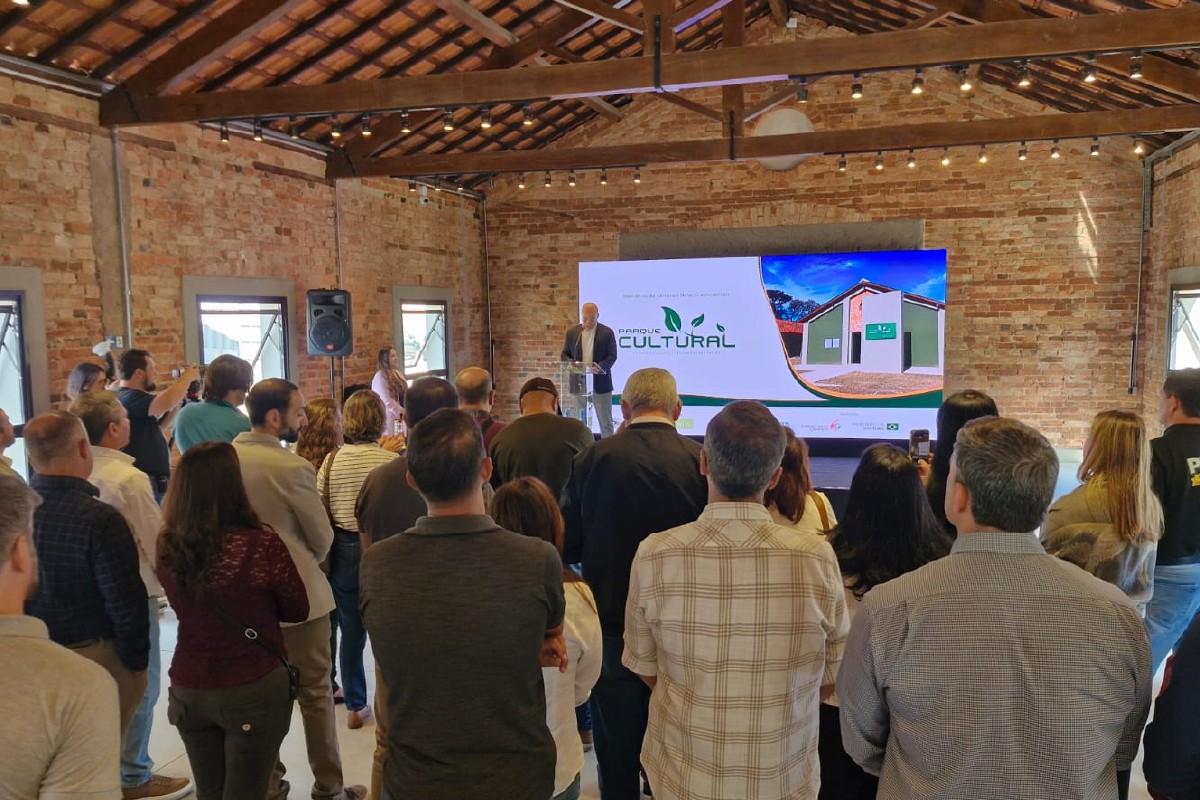
Pindamonhangaba City Park inaugurated a new cultural space on Thursday, November 23rd, dedicated to culture, education, memory preservation, and community engagement. This initial phase of the Parque Cultural involved the revitalization of two historic warehouses, funded by a R$ 2.5 million sponsorship from Novelis through the Federal Law of Cultural Incentive. The renovated warehouses, totaling 855 square meters, now feature structural repairs, accessibility upgrades, an auditorium, an exhibition hall, dressing rooms, a pantry, restrooms, and other support facilities. The venue is designed to host exhibitions, workshops, artistic performances, educational activities, and community events.
Mayor Ricardo Piorino highlighted the new facility's role in enhancing public space utilization, emphasizing the preservation of Pindamonhangaba's history while creating new avenues for cultural, educational, and recreational access. The Secretary of Environment, Rafael Lamana, noted the integration of the cultural park with the green areas, aiming to improve quality of life through enhanced opportunities for interaction with culture and nature. The Secretary of Culture and Tourism, Rebeca Guaragna, stated that the space significantly expands the municipality's cultural infrastructure, providing a prepared environment for artists, students, families, and cultural projects, thereby valuing local heritage and promoting free access to art and knowledge.
Starting Friday, November 24th, the public can visit the free exhibition "Os Galpões do Parque da Cidade de Pindamonhangaba" (The Warehouses of Pindamonhangaba City Park) from Wednesday to Sunday, 1 PM to 7 PM, until September 30th.
The revitalization of these historic warehouses in Pindamonhangaba City Park represents a strategic investment in public infrastructure, aiming to foster community engagement and cultural access. By leveraging corporate sponsorship through federal incentive laws, the project addresses the dual goals of historical preservation and the creation of modern community amenities. This model of public-private partnership, particularly when channeled through cultural incentive mechanisms, can be a sustainable approach to enhancing urban spaces. The initiative's success will likely depend on ongoing programming, community adoption, and the long-term maintenance strategy for the revitalized facilities, ensuring they remain vibrant centers for education, art, and social interaction in the coming years.
AI-generated to prompt reflection — not editorial opinion, not advice, not a statement of fact. How this works.