Pink Trumpet Trees Bloom, Bringing Joy and Meaning to Brazil's Paraíba Valley
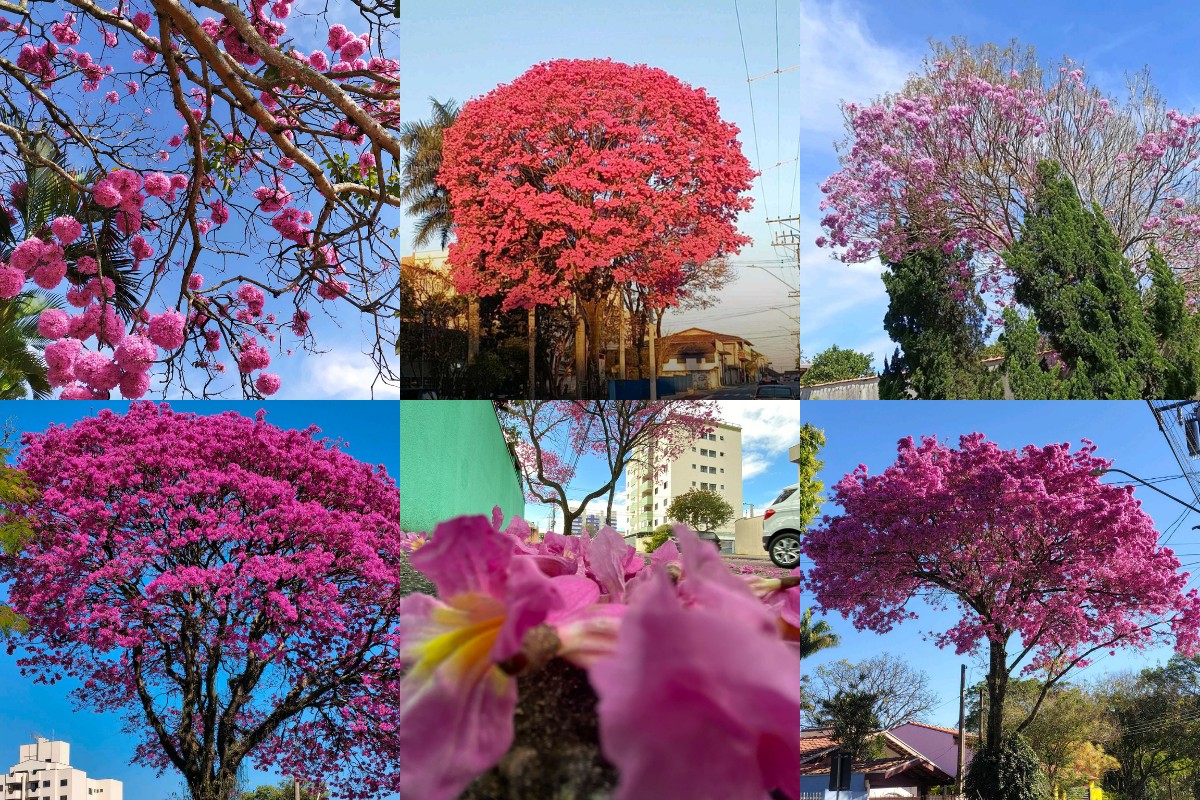
The vibrant pink flowers of ipê trees are currently adorning streets, squares, and homes across cities in Brazil's Paraíba Valley and the Bragança region, captivating residents with their striking colors. Viewers of Rede Vanguarda have shared numerous photographs of these blooming trees through the Vanguarda Repórter application. One such submission came from Andréia Tavares, a 51-year-old banker from Atibaia, whose ipê tree took on special significance this year. After her husband, 59-year-old retiree Claudio Fernandes, was released from a 21-day hospital stay for cancer remission, they returned home to a beautiful carpet of fallen ipê flowers, a poignant symbol of their recovery. Claudio, who has always loved plants and cared for their garden, has a particular fondness for the ipê that has been with them since they moved to Atibaia. In Taubaté, architect Giovani Rodrigues, 28, shared a story about the ipê in his backyard. After a strong storm felled their yellow ipê, his mother planted a new sapling, expecting another yellow one, but was surprised by the intense pink blooms that emerged. Vanessa Silva, from São José dos Campos, was moved by the sight of an ipê blooming near a bus stop in Praça Dom Pedro I, prompting her to cross the street to capture its beauty. Biologist and botanist José Ataliba Mantelli explained that ipês bloom primarily during the cooler, drier months as a deciduous strategy to conserve water and energy, focusing resources on flowering and seed production. He noted that pink and purple ipês bloom first, followed by yellow and white varieties later in the season. Brazil is home to approximately 40 cataloged ipê species, some of which are endangered.
The widespread blooming of ipê trees across Brazil's Paraíba Valley offers a moment of natural beauty and shared community experience, as evidenced by the numerous photo submissions. The personal stories shared, particularly Andréia Tavares's account of the ipê flowers coinciding with her husband's recovery from cancer treatment, highlight the profound symbolic and emotional resonance such natural events can hold for individuals. This phenomenon underscores the human capacity to find meaning and hope in nature, especially during challenging times. From a botanical perspective, the ipê's flowering cycle, occurring during drier periods as a deciduous adaptation, showcases an efficient survival strategy. The diversity of ipê species, with some facing endangerment, also points to broader ecological considerations and the importance of conservation efforts for these iconic Brazilian trees.
AI-generated to prompt reflection — not editorial opinion, not advice, not a statement of fact. How this works.