PinkMed Platform Connects Patients with Verified Aesthetic Medicine Specialists in Brazil
Brazil leads the world in plastic surgeries, with over 2 million procedures annually, and ranks second globally for non-surgical aesthetic treatments. The sector has seen over 40% growth in the last four years, fueled by new techniques and increased information access. This market expansion has changed patient behavior, with many researching doctors online and on social media before consultations. However, distinguishing reliable information from the vast online content, especially on social media, has become a challenge, as digital presence doesn't always equate to professional qualification.
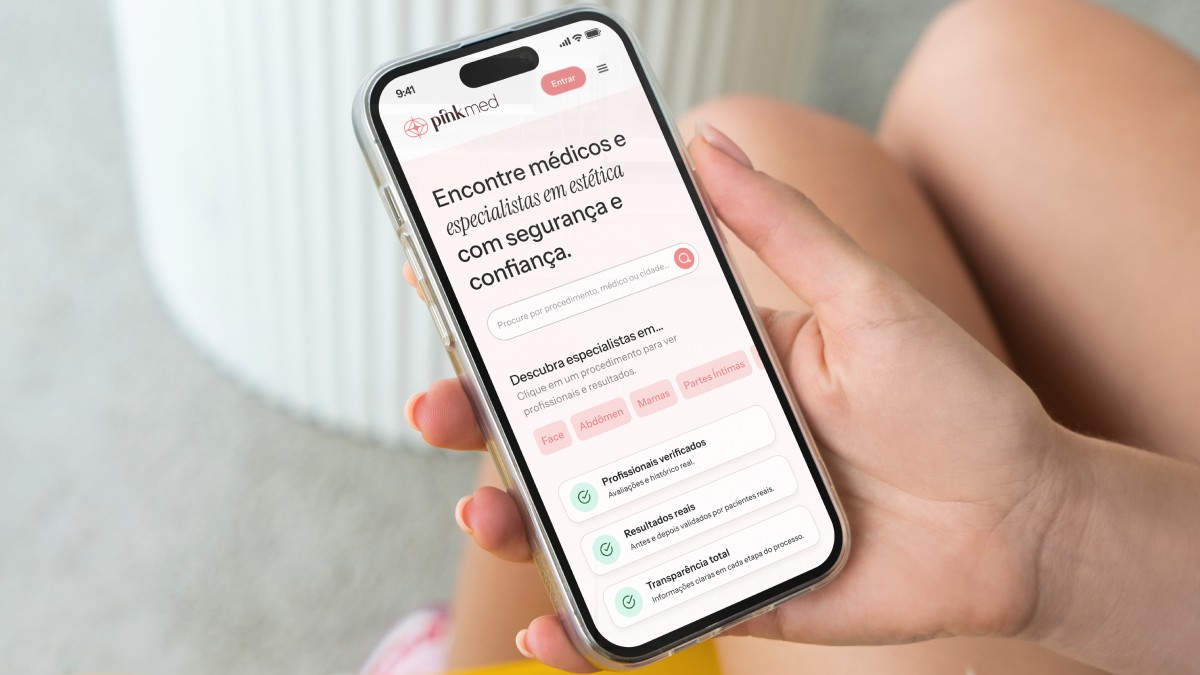
To address this, PinkMed, a Brazilian platform, was launched to connect patients with verified aesthetic medicine doctors. The platform receives over 100,000 monthly visits from individuals seeking to research professionals. Co-founder João David explained that PinkMed aims to simplify the complex and often opaque process of choosing a doctor for aesthetic procedures, which is frequently based on fragmented information. The platform provides a space for patients to assess doctors' training, experience, specialties, and approach, while also enabling qualified physicians to present their careers professionally and in compliance with medical advertising regulations. PinkMed emphasizes that it complements, rather than replaces, medical consultations by ensuring patients arrive better informed.
PinkMed verifies the credentials of its listed doctors, including professional identity, registration with the Regional Medical Council (CRM), and specialist qualifications (RQE). This rigorous verification process aims to reduce reliance on social media visibility or self-declarations. The platform also facilitates ethical communication by encouraging educational content and transparent information about procedures, avoiding unrealistic outcome promises. By offering organized and verified profiles, PinkMed empowers patients to make more informed decisions about their aesthetic treatments.
The emergence of platforms like PinkMed reflects a growing market demand for transparency and verified information in the aesthetic medicine sector, particularly in a country like Brazil, which leads global statistics for plastic surgeries. As digital channels become primary sources for patient research, the challenge of discerning professional credibility from curated online personas intensifies. PinkMed's model attempts to bridge this gap by offering a centralized, verified repository of physician qualifications, thereby addressing both patient safety concerns and the need for ethical professional presentation. This initiative highlights a broader trend where technology is being leveraged to introduce structured governance and trust mechanisms into rapidly evolving consumer-facing healthcare niches. The platform's success will likely hinge on its ability to maintain rigorous verification standards and adapt to evolving regulatory landscapes in medical advertising and digital health.
AI-generated to prompt reflection — not editorial opinion, not advice, not a statement of fact. How this works.