Pio IX Mayor Indicted for Aiding Sexual Exploitation of Minors and Embezzlement
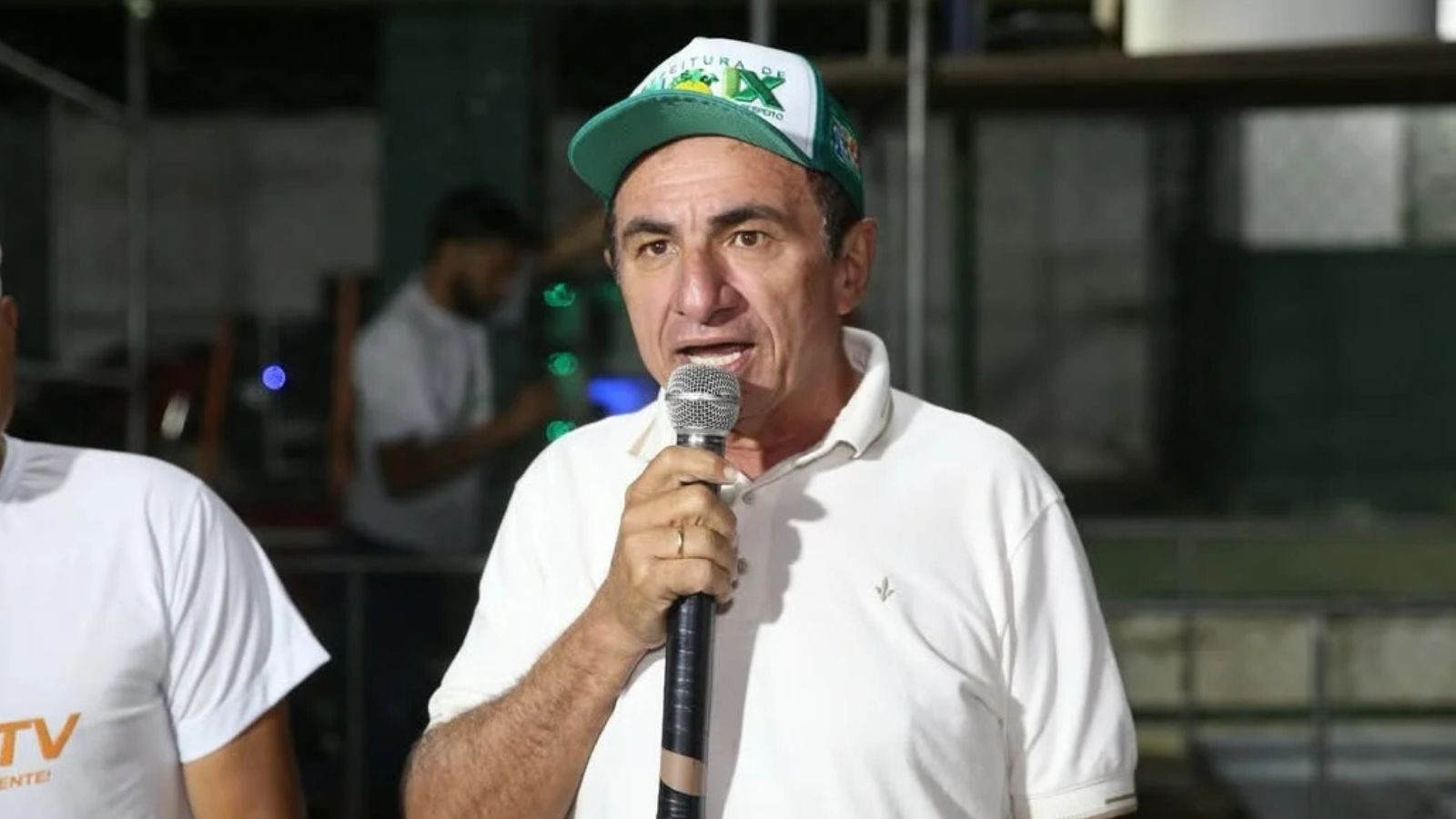
The Civil Police of Piauí, Brazil, have concluded their investigation and indicted Silas Noronha, the mayor of Pio IX, on charges of aiding prostitution and other forms of sexual exploitation of children and adolescents, as well as embezzlement. The case began when a former campaign staffer reported that, at the mayor's request, he participated in a scheme to recruit teenagers aged 13 and 14. The former staffer and a nephew of Mayor Noronha have also been indicted. Mayor Noronha was initially arrested on April 10, 2026, after voluntarily presenting himself to the Child and Adolescent Protection Police Station in Teresina, and was released on May 5. The investigation involved hearing from four identified teenage victims, along with gathering evidence such as witness and family testimonies, specialized interviews, messaging app conversations, bank records, and other investigative data. Authorities also indicated that public funds may have been used in the alleged scheme, citing evidence of inflated fuel expenses for a company, with reports from the State Audit Court suggesting millions in transactions. The embezzlement aspect of the inquiry will be forwarded to the Anti-Corruption Department. The case will now proceed to the State Public Prosecutor's Office for review and further action. The accuser, Liedson Alves, stated that the mayor offered him increased pay for recruiting minors, often daughters of individuals connected to the prefecture. He also alleged that the mayor's nephew, Samuel Noronha, was involved, and that one teenager reportedly received approximately R$1,000 for an initial meeting with the mayor at a motel. The mayor's defense stated they received the investigation's conclusion calmly, emphasizing that indictment does not equate to guilt and pledging continued cooperation.
This indictment highlights significant governance and ethical challenges within local administration. The allegations suggest a potential abuse of power, where public office may have been leveraged for personal gain and to facilitate criminal activity. The investigation's reliance on victim testimonies, digital communications, and financial records indicates a robust, multi-faceted approach to uncovering potential corruption and exploitation. Moving forward, the case's progression through the Public Prosecutor's Office will test the efficacy of Brazil's legal framework in holding public officials accountable. This situation underscores the critical need for stringent oversight mechanisms and transparent financial management to prevent the misuse of public resources and protect vulnerable populations from exploitation.
AI-generated to prompt reflection — not editorial opinion, not advice, not a statement of fact. How this works.